

I Don’t Know What I Would
Have Done Without Him...
What If I Wasn’t Driving When Police Found Me and Accused Me of DUI in Illinois?
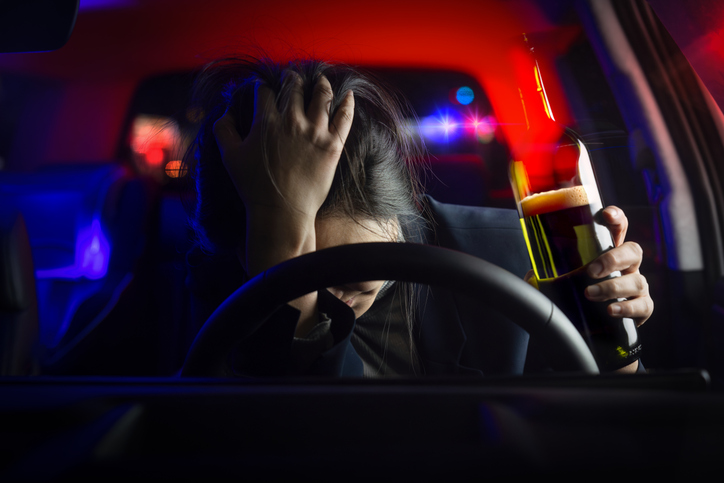
If you’ve been charged with DUI in Chicago, Illinois—even though police never actually saw you driving—you are not alone. Many people across Cook County and throughout the state find themselves facing serious criminal charges simply for being found inside or near a parked vehicle while impaired. As a Chicago DUI defense lawyer with decades of courtroom experience, I’ve represented clients in neighborhoods like Pilsen, Humboldt Park, Wrigleyville, and Hyde Park who never expected to face DUI charges because they weren’t behind the wheel when law enforcement arrived.
Despite the common-sense assumption that a DUI requires actual driving, Illinois law allows for arrest based on something broader—actual physical control of a vehicle. This distinction opens the door for police to accuse individuals of DUI even if they were just sitting in a car with the engine off.
Under Illinois law, DUI is typically charged under 625 ILCS 5/11-501, which prohibits being in “actual physical control” of a vehicle while under the influence of alcohol or drugs. It is usually a Class A misdemeanor for a first or second offense, but circumstances such as prior convictions, having a child passenger, or causing injury can enhance the charge to a felony under 625 ILCS 5/11-501(d).
Let’s break down what “actual physical control” means, what the penalties are, and how an experienced Chicago DUI defense attorney can challenge these accusations—especially when you weren’t actually driving.
Understanding “Actual Physical Control” Under Illinois DUI Law
The key issue in cases where no one witnessed you driving is whether the prosecution can prove you were in actual physical control of the vehicle. Illinois courts have interpreted this concept broadly, often citing the following factors:
- Were you in the driver’s seat?
- Was the key in the ignition or within reach?
- Was the vehicle running?
- Were you parked on a public roadway or in a parking lot?
- Was there any evidence you had recently driven the car?
It’s important to understand that police don’t need to see you driving to charge you. If you were found intoxicated while sitting in the driver’s seat, with the keys nearby or in the ignition—even if the engine was off—you could be arrested and charged.
Still, these are highly fact-specific cases. I’ve defended clients in Logan Square and Lincoln Park who were sleeping in their vehicles to avoid driving drunk. In many cases, they had no intention of driving, yet prosecutors still moved forward with DUI charges.
How Criminal DUI Cases Begin in Illinois
Most DUI arrests in Illinois begin with a traffic stop. However, when there is no observed driving, the process usually starts with a welfare check or complaint—perhaps someone sees a person slumped in a vehicle and calls 911. When police arrive, they assess the situation, ask questions, conduct field sobriety tests, and potentially make an arrest.
The arrest report will reflect the officer’s opinion about whether you were in actual physical control. That becomes the foundation for formal charges filed by the State’s Attorney.
From there, the case proceeds through several stages:
- Bond Court / First Appearance
- Arraignment
- Pretrial Conferences
- Motions and Hearings (including challenges to the stop or arrest)
- Trial or Plea
Even when you weren’t driving, prosecutors in Cook County and surrounding counties often proceed aggressively with DUI prosecutions. That’s why early intervention by a seasoned Chicago DUI lawyer is essential to protect your rights.
Penalties for DUI in Illinois: Misdemeanor and Felony Consequences
Under 625 ILCS 5/11-501(c), a first or second DUI offense is a Class A misdemeanor punishable by up to 364 days in jail and a fine of up to $2,500. But even if you’re not sentenced to jail, a conviction comes with mandatory driver’s license suspension and other serious consequences.
If aggravating factors exist, the charge may be enhanced to a felony (aggravated DUI), which may include:
- DUI while license is suspended or revoked
- DUI with prior felony DUI
- DUI causing bodily harm
- DUI with a child under 16 in the vehicle
Felony DUI can carry prison terms of 1–7 years or more, depending on the class of felony. Additionally, a DUI conviction—even a misdemeanor—remains on your criminal record permanently and is not eligible for expungement under current Illinois law.
Example Case: Arrested for DUI in a Parked Car in Logan Square
One of my clients was found asleep in the front seat of his car on a residential street in Logan Square. The keys were in his lap, the engine was off, and he had moved to his car to sleep it off after a night at a friend’s house. A neighbor called police, who arrived, woke him up, and arrested him for DUI.
The State argued that he was in actual physical control. We filed a motion to suppress evidence based on the lack of probable cause to arrest, emphasizing that he had taken responsible steps to avoid driving.
Through our investigation and motion work, we were able to get key evidence excluded, including the breath test. Ultimately, the prosecution agreed to dismiss the DUI charge in exchange for a lesser offense that would not affect his record.
That case highlights how context matters—and how important it is to work with a defense lawyer who knows how to challenge assumptions made by law enforcement.
The Evidence Law Enforcement Tries to Use in These Cases
Even when they don’t observe you driving, police and prosecutors will build a DUI case using:
- Officer observations (odor of alcohol, bloodshot eyes, slurred speech)
- Statements you make to police (e.g., “I was just waiting to sober up”)
- Field sobriety tests (HGN, walk-and-turn, one-leg stand)
- Portable or official breathalyzer tests
- Location of keys, engine status, and seat position
- Surveillance video or witness statements
Every piece of evidence can be challenged. In some cases, police body cam footage contradicts the officer’s written report. In others, the field sobriety test was improperly administered, or the breath test machine was not properly calibrated.
The Importance of Legal Representation in Every Stage
From the moment you are arrested or questioned, your rights and your future are on the line. Having a knowledgeable DUI attorney makes a difference at each step:
- During investigation: I advise clients not to speak with police or prosecutors without legal counsel.
- At arraignment: I ensure you understand the charges and enter the proper plea.
- During pretrial: I file motions to suppress unlawfully obtained evidence and negotiate to reduce or dismiss charges.
- At trial: I cross-examine officers, challenge the prosecution’s timeline, and introduce doubt as to whether you were in actual physical control.
A public defender may not have the bandwidth or resources to mount a comprehensive defense. A private Chicago criminal defense lawyer can dedicate the time, investigation, and strategy needed to protect you.
Potential Defenses to DUI Charges When You Weren’t Driving
If you were not operating the vehicle when police found you, several legal defenses may apply:
- Lack of Actual Physical Control: You were not in control of the vehicle because the keys were in the trunk, you were in the back seat, or the car was not operable.
- Improper Police Contact: If the officer had no reasonable basis to make contact or initiate a seizure, the stop may be unconstitutional.
- Unlawful Search or Arrest: If your rights were violated during the investigation or arrest, evidence may be excluded.
- Insufficient Evidence of Impairment: Faulty or improperly administered tests can be challenged.
- Necessity Defense: In rare cases, we can argue you were in the car to avoid a greater harm.
Each case depends on its facts, and I build a tailored defense for every client I represent.
What to Look for When Hiring a DUI Defense Attorney in Chicago
Not all attorneys handle DUI defense with the attention it deserves. When choosing legal representation, consider:
- Does the attorney focus on criminal defense and DUI?
- Do they regularly appear in Cook County and surrounding courts?
- Can they explain your options clearly and promptly?
- Are they accessible 24/7 for emergencies?
- Do they have a track record of success in DUI cases?
At The Law Offices of David L. Freidberg, I answer every client question directly and prepare each case thoroughly, whether it goes to trial or is resolved through negotiations.
Questions You Should Ask During a Free Consultation
When you schedule a consultation, make sure to ask:
- How often do you handle DUI cases like mine?
- What’s your experience with cases involving actual physical control?
- What strategy do you think would work best in my case?
- Will you personally handle my case or assign it to someone else?
- What’s the expected timeline and cost of my defense?
These questions help you evaluate whether the attorney is the right fit for your situation.
Chicago and Illinois DUI Defense FAQs
Can I be charged with DUI if I was asleep in my car in downtown Chicago?
Yes. If police believe you were in “actual physical control,” even if asleep, you can be charged. The key issue is your access to operate the vehicle.
What if the engine wasn’t running and I had no intention of driving?
This is a powerful defense. Lack of intent and an inoperable vehicle can show you weren’t in control, especially if the keys were not accessible.
Do Chicago police have body cam footage in DUI arrests?
Yes, most do. We often request this footage to challenge what officers claim in their reports.
Can a DUI be dropped to reckless driving in Illinois?
In some cases, yes. This is known as a “wet reckless” and may be available as part of a plea deal.
How long does a DUI case take in Cook County?
It depends, but most DUI cases take 3 to 6 months. Felony cases or those involving injury can take longer.
Will my license be suspended even if I wasn’t driving?
Yes, if you fail or refuse a breath test, you face an automatic statutory summary suspension under 625 ILCS 5/11-501.1.
Do I need a lawyer if I plan to plead guilty?
Absolutely. You may have defenses you don’t realize, and a lawyer can negotiate reduced charges or fight for supervision rather than a conviction.
What courts in Chicago hear DUI cases?
Most DUI cases in Chicago are heard at Richard J. Daley Center or Cook County Circuit Court – 26th and California.
Why You Need a DUI Lawyer If You Weren’t Driving
DUI cases involving parked cars are often based on weak or circumstantial evidence. Prosecutors still push forward because they assume defendants will plead out or accept supervision. That’s a mistake.
An experienced DUI defense attorney will analyze every detail, from where you were sitting to whether the officer had any legal reason to make contact. Without legal counsel, you risk losing your license, facing a criminal record, and suffering long-term consequences that could have been avoided.
At The Law Offices of David L. Freidberg, I have decades of courtroom results defending DUI cases across Cook County, DuPage County, Will County, and Lake County. I know how to challenge actual physical control allegations and protect your rights.
When You Need a Fighter, Call Us!
Whether you’re charged in downtown Chicago, Skokie, Maywood, Bridgeview, or Rolling Meadows, we’re ready. We appear regularly in courtrooms throughout Cook, DuPage, Will, and Lake Counties. And we don’t treat aggravated speeding as just another moving violation.
If you were arrested in Chicago, protect your future by contacting The Law Offices of David L. Freidberg. We have decades of experience handling DUI cases in Illinois. Our firm is available 24/7 to provide the legal defense you deserve.
Contact us today at (312) 560-7100 or toll-free at (800) 803-1442 for a free consultation. We’re available 24/7 to serve clients throughout Illinois, Cook County, DuPage County, Will County, and Lake County.