

I Don’t Know What I Would
Have Done Without Him...
What Happens If I Refused Chemical Testing in Illinois?
Understanding DUI Refusals in Chicago and How They Affect Your Case
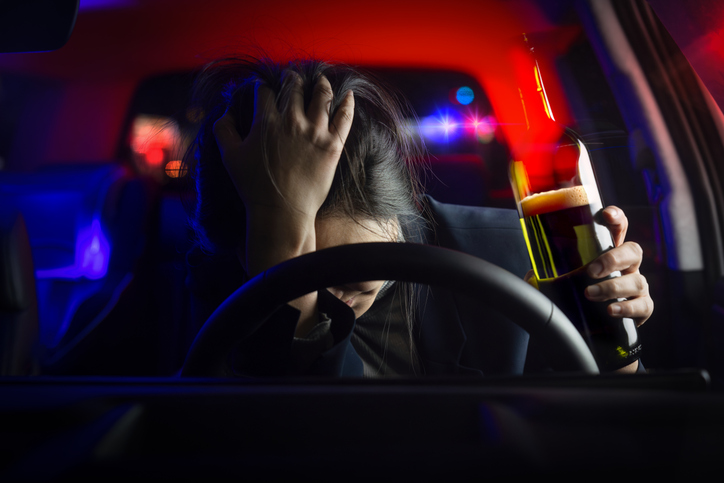
Chemical test refusals are one of the most misunderstood parts of Illinois DUI law. Every week, people across Chicago are stopped by police, suspected of driving under the influence, and asked to take a breath, blood, or urine test. Some refuse, thinking it will help their case. Others are confused, scared, or unaware of the consequences. But under Illinois law, refusing a chemical test carries immediate penalties, even if you’re never convicted of DUI.
In Chicago, DUI arrests occur in every neighborhood—from Beverly and Lincoln Park to Little Village and Albany Park. It’s not just late-night drivers on the expressway. Police routinely set up DUI patrols and roadside checks throughout the city. When they stop someone they believe is impaired, they ask for chemical testing to establish blood alcohol concentration (BAC) or detect drugs.
Illinois law under 625 ILCS 5/11-501.1 lays out the implied consent rule. If you drive on Illinois roads, you’re presumed to have agreed to chemical testing if an officer has probable cause to believe you were driving under the influence. Refusing that test triggers a statutory summary suspension of your driver’s license—even before the court decides your case.
All crimes in Illinois, including DUI, fall into either misdemeanors or felonies. A first or second DUI without aggravating factors is usually charged as a Class A misdemeanor, which can result in up to 364 days in jail. However, refusing chemical testing—especially with prior DUI history—can complicate your case and lead to longer suspensions or felony charges if aggravating factors are involved.
What Happens After You Refuse a Breath, Blood, or Urine Test in Chicago
When a driver refuses chemical testing after a lawful arrest for DUI, the consequences begin immediately. You may not be convicted yet, but under 625 ILCS 5/11-501.1, the refusal alone triggers a statutory summary suspension of your driver’s license. This is an administrative penalty, separate from the criminal case, and goes into effect 46 days after your arrest unless you challenge it.
If it’s your first refusal, your driver’s license will be suspended for 12 months. If it’s your second or subsequent refusal within five years, the suspension increases to three years. These penalties apply even if you beat the DUI in court.
In addition to the license suspension, refusing chemical testing can:
- Disqualify you from receiving court supervision, which is the only non-conviction option for DUI cases
- Be used by prosecutors as evidence of consciousness of guilt
- Result in your vehicle being impounded
- Trigger mandatory installation of a BAIID device once you regain driving privileges
- Lead to longer driver’s license revocation if you’re convicted of DUI
After arrest, you’ll be taken to a Chicago police station or Illinois State Police facility for booking. The officer will give you a Warning to Motorist form, explaining the consequences of refusal. Many people are not in a clear state of mind during this moment, and their decision can have consequences they didn’t expect.
From there, your DUI case proceeds to court in one of several Cook County branches, such as 26th & California, Skokie, Bridgeview, or Maywood. Meanwhile, your license suspension proceeds through the Secretary of State unless you file a petition to rescind within 90 days. But the most effective window is within the first 30 days, when you can request a hearing to stop the suspension from taking effect.
That’s why hiring a Chicago DUI lawyer immediately after a refusal is critical. Every day you wait reduces your chances of avoiding the automatic penalties.
DUI Trial Process, Refusals, and a Realistic Case Example from Chicago
Once you’re formally charged, your case moves through the criminal courts in Cook County. A DUI case, even one involving a refusal, begins with an arraignment, followed by pretrial hearings, discovery, and either a negotiated pleaor a trial.
In a DUI refusal case, prosecutors don’t have a chemical test result, so they rely more heavily on officer testimony, field sobriety tests, dashcam and bodycam footage, and any admissions made by the defendant. This can be both a benefit and a liability depending on the quality of the police investigation.
Let’s look at a fictional case based on how these cases typically unfold in Chicago.
A driver in the Logan Square neighborhood is stopped for allegedly swerving. The officer claims to smell alcohol and reports slurred speech. The driver refuses all field sobriety tests and later refuses a breath test. There’s no video footage of the stop because the squad car’s dashcam was out of service.
The driver hires a DUI defense attorney in Chicago right away. At the summary suspension hearing, the defense challenges the officer’s probable cause to arrest. Since there’s no breath test and the officer failed to properly document field observations, the judge rescinds the suspension. Now, the defendant has their license back while the criminal case continues.
At trial, the lack of chemical evidence makes it harder for the state to prove impairment beyond a reasonable doubt. The jury acquits the defendant, and they avoid a DUI conviction altogether.
This kind of defense requires a strong legal strategy, a thorough understanding of the statutes, and the ability to challenge every piece of evidence the state brings forward. Without representation, the outcome might have been very different.
How Police Try to Build a DUI Refusal Case—and How a Defense Lawyer Can Fight Back
When you refuse a chemical test, law enforcement agencies try to build their case using other types of evidence. A refusal doesn’t mean you’re off the hook. In fact, it often causes officers to double down on documenting impairment through:
- Observational evidence: This includes bloodshot eyes, slurred speech, unsteady balance, and the smell of alcohol
- Field sobriety tests: Officers will often push hard for these if you refuse a breath test. These tests are highly subjective and prone to error
- Statements and admissions: Saying things like “I only had two drinks” can be used to support the officer’s claims
- Bodycam and dashcam footage: Increasingly critical in DUI cases, this footage can either help or hurt your case
- Refusal itself: Prosecutors will often argue that refusing the test shows you knew you were intoxicated
A Chicago criminal defense lawyer can challenge every one of these elements. That includes filing motions to suppress evidence if the stop lacked probable cause, cross-examining the officer on their DUI training and report inconsistencies, and highlighting the unreliability of field sobriety tests—especially when weather, fatigue, or medical conditions may be involved.
Legal Defenses in Chemical Test Refusal Cases
There are several possible defenses when someone refuses a chemical test. These defenses can be used in both the criminal case and the summary suspension hearing. Common strategies include:
- Lack of probable cause: If the officer didn’t have a valid reason to stop or arrest you, any evidence gathered after that—including your refusal—can be thrown out
- Improper warning to motorist: If police fail to read you the correct statutory warnings before asking for a test, your suspension could be rescinded
- Unlawful arrest procedure: If the officer violated protocol, failed to offer a phone call, or denied access to counsel, your rights may have been violated
- Medical issues: Conditions like acid reflux, diabetes, or neurological disorders can mimic signs of impairment
- Equipment failure: If bodycam, dashcam, or squad car footage is missing or contradicts the police report, your case may be significantly weakened
In every DUI case, but especially refusals, legal representation is essential. Without test results, the entire case hinges on circumstantial and testimonial evidence. A DUI attorney in Chicago who knows how to dissect that evidence can often secure better outcomes, including dismissal or a reduction to reckless driving.
Choosing the Right DUI Defense Lawyer in Chicago
Hiring a criminal defense attorney in Chicago isn’t just about finding someone who practices DUI law. You need someone with the right courtroom experience, local knowledge, and a track record of challenging chemical test refusals.
Look for a lawyer who has defended cases in Cook, DuPage, Will, and Lake Counties, who understands the judges and prosecutors in those courtrooms, and who is willing to take your case to trial if necessary.
During your free consultation, here are key questions to ask:
- Have you handled DUI refusal cases in this court before?
- What is your strategy for challenging the summary suspension?
- Will you personally handle my case or hand it off?
- How do you evaluate whether the stop or arrest was legal?
- What kind of outcomes have you achieved for clients with similar facts?
If a lawyer can’t answer those questions clearly and confidently, keep looking. This isn’t the time to take chances with your future.
Chicago Criminal Defense FAQs – Chemical Testing and DUI Law
Can I lose my license for refusing a breath test even if I’m not convicted?
Yes. Under Illinois law, the statutory summary suspension is separate from the criminal case. Refusing a chemical test results in a 12-month suspension for a first offense and a 3-year suspension for repeat offenses—even if the DUI charge is dismissed or you’re acquitted.
Can the court force me to take a blood or urine test in Chicago?
Police cannot physically force you to submit to a chemical test without a warrant, but they can seek a warrant in certain cases. Refusing the test without a valid reason will trigger penalties under the implied consent law.
Does refusing the test help or hurt my case?
It depends. Refusing denies the prosecution chemical evidence, which can make the DUI case harder to prove. But it also leads to an automatic license suspension and can be used in court to argue that you were avoiding incriminating evidence.
How can a Chicago DUI lawyer fight a refusal case?
Your attorney can challenge the traffic stop, the probable cause for arrest, the way the statutory warnings were given, and whether the officer followed all procedures. In many cases, we’re able to get the license suspension rescinded and the DUI charge dismissed or reduced.
What if I already refused and it’s been more than 30 days?
You may still be able to fight the criminal charges, but your license suspension will likely take effect. If that happens, a DUI defense attorney can help you apply for a Monitoring Device Driving Permit (MDDP) to drive with a BAIID device during the suspension period.
Can I represent myself at a DUI hearing or summary suspension hearing?
Technically yes, but it’s a mistake. DUI law is complex and procedural. An experienced criminal defense lawyer in Chicago knows what evidence to request, what arguments to make, and how to cross-examine the arresting officer effectively.
Will a DUI refusal be on my permanent record?
If you’re convicted of DUI after refusing the test, it becomes part of your permanent criminal record. That conviction cannot be sealed or expunged. However, if your lawyer gets the charge reduced or dismissed, the record may be eligible for expungement depending on the outcome.
Does the license suspension from a refusal ever expire?
Yes, the statutory suspension eventually expires, but it can have a lasting impact. If you’re convicted of DUI in the future, that prior refusal will count against you and may disqualify you from supervision or reinstatement options.
Why You Need a DUI Lawyer If You Refused Chemical Testing
If you refused a chemical test, the stakes are high. You’re dealing with a double hit—administrative license penalties and a criminal charge that could stay on your record forever. And without test results, your case becomes a battle over officer observations, video evidence, and the credibility of the state’s case.
The Law Offices of David L. Freidberg has successfully defended countless DUI refusal cases in Chicago, Cook County, DuPage County, Will County, and Lake County. We understand the pressure you’re under, and we know how to challenge the prosecution’s version of events from the first hearing forward.
Every detail matters—what the officer wrote in the report, what the camera shows, how the traffic stop began, and how the warning was read. If your rights were violated at any step, we’ll find it and use it to your advantage.
Call The Law Offices of David L. Freidberg – Free 24/7 DUI Refusal Consultation
If you refused chemical testing during a DUI arrest in Chicago or the surrounding counties, don’t wait until your court date to get help. The consequences are already unfolding.
Let us fight for your license, your record, and your future.
At The Law Offices of David L. Freidberg, I’ve spent my career defending good people in tough situations. I know the laws, the courts, and the defenses that work.
If you were arrested in Chicago, protect your future by contacting The Law Offices of David L. Freidberg. We have decades of experience handling DUI cases in Illinois. Our firm is available 24/7 to provide the legal defense you deserve.
Contact us today at (312) 560-7100 or toll-free at (800) 803-1442 for a free consultation. We’re available 24/7 to serve clients throughout Illinois, Cook County, DuPage County, Will County, and Lake County.