

I Don’t Know What I Would
Have Done Without Him...
What Happens If I Miss the 30-Day Filing Deadline to Fight My Driver’s License Suspension in Illinois?
Chicago Drivers Face Serious Consequences for Missing the 30-Day Statutory Summary Suspension Deadline
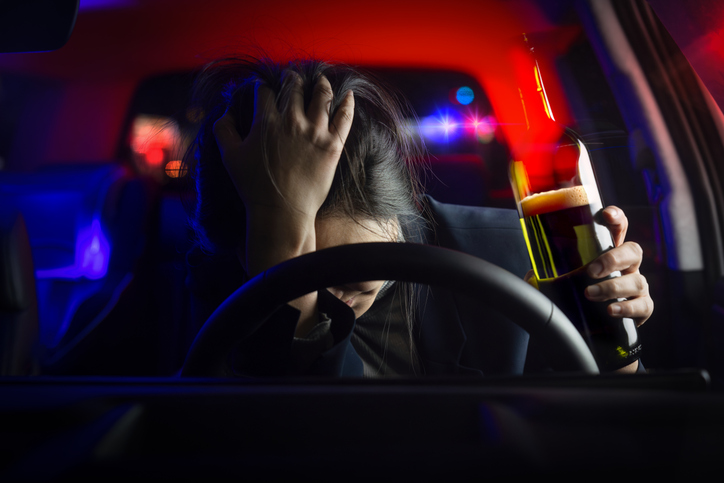
In Chicago, drivers pulled over and arrested for DUI quickly find themselves facing more than just a criminal court case—they’re also battling an automatic administrative suspension of their driver’s license. Under Illinois law (625 ILCS 5/11-501.1 and 625 ILCS 5/2-118.1), you have just 30 days from the date of your Notice of Statutory Summary Suspension to request a hearing to fight it. If you miss that deadline, the suspension goes into effect on the 46th dayfollowing your arrest and can last 6 months to 3 years, depending on whether you failed or refused chemical testing and your DUI history.
What many drivers in neighborhoods like Uptown, Brighton Park, or South Shore don’t realize is that this administrative suspension operates independently from the criminal DUI case. Even if you beat your DUI in court, you can still lose your license if you didn’t request a timely hearing. The process is civil, not criminal—but the consequences still disrupt your life, especially if you depend on driving for work or caring for your family.
Whether you were pulled over by Chicago Police in Humboldt Park or stopped at a DUI checkpoint near Wrigleyville, this timeline applies across Cook County. Missing the 30-day window closes the door on key legal strategies to preserve your driving privileges. That’s why drivers need to act fast and consult a Chicago DUI lawyer immediately after arrest.
The statutory summary suspension is triggered when you either fail a chemical test (blow over 0.08 BAC or test positive for drugs) or refuse to submit to testing. Both options lead to a license suspension, but refusal results in longer terms. First-time offenders who fail the test face a 6-month suspension, while refusal results in a 12-month suspension. Second or subsequent refusals trigger 3-year suspensions.
Illinois does allow for Monitoring Device Driving Permits (MDDPs) and Restricted Driving Permits (RDPs) in some cases, but even those require planning and action. Missing the 30-day window eliminates your opportunity to fight the suspension outright in court.
Missed the Deadline? How It Affects Your Criminal DUI Case in Illinois
Once the 30-day deadline to file a petition for hearing has passed, the statutory summary suspension takes effect automatically—regardless of what happens in your criminal DUI case. And that’s where drivers in Chicago often get confused.
Illinois criminal charges—whether misdemeanors or felonies—carry different rules, burdens of proof, and court processes than administrative license actions. DUI is typically charged as a Class A misdemeanor in Illinois, punishable by up to 364 days in jail, $2,500 in fines, court-ordered alcohol education, and a criminal conviction that remains on your record forever. But when you miss the civil filing deadline for license suspension, that consequence hits separately.
Even if your Chicago criminal defense lawyer successfully beats your DUI charge through a not guilty verdict, dismissal, or reduced plea, the suspension remains in place if the hearing wasn’t requested on time. That means no relief, no reversal, and no automatic reinstatement of your driving privileges. The only path to getting back on the road is through costly reinstatement, interlock devices, or applying for restricted permits that come with strict conditions.
For example, if you live in Garfield Ridge and work in Des Plaines, a license suspension with no hearing means you can’t legally drive—even while fighting your criminal case for months. The arrest alone starts the 30-day clock ticking. That’s why contacting a DUI defense attorney in Chicago within days—not weeks—of your arrest is essential.
If your arrest involved injury, a child passenger, or prior DUI convictions, you could be facing felony DUI charges. These are classified as aggravated DUI under 625 ILCS 5/11-501(d) and can result in prison time, permanent license revocation, and lifetime criminal records. In these cases, the 30-day deadline is even more critical.
Missing that window limits your ability to use evidentiary weaknesses in the traffic stop or breath test to fight the license suspension. Once the deadline is gone, your lawyer can still defend you in criminal court—but your license suspension remains locked in.
A Fictional Example from Logan Square and What Could Have Been Done Differently
Let’s say a driver in Logan Square is pulled over at night for allegedly rolling through a stop sign. The officer claims to smell alcohol and asks the driver to perform field sobriety tests. Nervous and confused, the driver refuses all tests—including the breathalyzer. She’s arrested and handed a Notice of Statutory Summary Suspension before being released on bond.
She doesn’t call a lawyer right away. She figures the court date listed a few weeks later is when things really start. By the time she consults a Chicago DUI attorney, it’s already been 35 days since the arrest. At that point, it’s too late to file a petition to challenge the suspension. The hearing opportunity is gone.
The DUI attorney works hard to defend the criminal case and ultimately gets it dismissed based on a faulty traffic stop and lack of probable cause. But none of that helps the license suspension, which is already in effect for 12 months due to the refusal. The driver loses her job as a home health aide because she can no longer legally drive to clients’ homes.
Had she contacted a lawyer within the first week, a petition to rescind the suspension could have been filed in time. A hearing would have been scheduled, and her attorney could have cross-examined the officer and challenged whether the refusal was properly documented or whether she was informed of her rights under 625 ILCS 5/11-501.1(c).
This example plays out often in Cook County—on the South Side, the North Side, the suburbs. The difference between a dismissed DUI and a lost license often comes down to one missed deadline.
The Criminal Case Process in Illinois and Why Legal Timing Matters
Every criminal case in Illinois begins with an arrest or a charge filed by the State’s Attorney’s Office. In DUI cases, this usually follows a traffic stop based on a moving violation, checkpoint, or suspected impairment. Once arrested, you’re given paperwork with a Notice of Summary Suspension and a court date.
The investigation includes field sobriety tests, chemical tests, dashcam or bodycam footage, officer testimony, and any admissions you may have made. Under Miranda and constitutional protections, a Chicago criminal defense lawyercan move to suppress this evidence if proper procedures weren’t followed.
After arraignment, pretrial hearings allow your lawyer to file motions to suppress, demand evidence, and challenge probable cause. If the case proceeds to trial, the state must prove beyond a reasonable doubt that you were driving or in control of a vehicle while impaired.
During this time, having an attorney helps not just with the criminal charges, but with all other consequences—like license issues, bail conditions, pretrial restrictions, and job-related complications.
Prosecutors rely on evidence such as:
- Breath or blood test results
- Field sobriety test performance
- Statements made during or after arrest
- Bodycam footage
- Civilian or officer witnesses
- Vehicle location and control evidence
The role of a defense lawyer is to scrutinize every detail, challenge flawed tests, file timely motions, and preserve your license rights before time runs out. Once the 30-day deadline passes, your only options involve hardship permits or reinstatement—neither of which undo the suspension itself.
This is why timing is as critical as legal skill. The process moves fast, and failing to act within legal deadlines can lock in penalties even if the DUI is eventually dismissed.
FAQs – Driver’s License Suspension and DUI Charges in Chicago
Can I still drive if I miss the 30-day deadline to fight my suspension?
No. If you don’t file within 30 days of receiving the Notice of Summary Suspension, your suspension begins on the 46th day. There’s no hearing, and no way to stop it once that deadline has passed. A Chicago DUI lawyer may help with a restricted driving permit later, but you cannot undo the suspension itself.
Does beating my DUI in court reverse the license suspension?
Not if you missed the deadline to request a hearing. The criminal case and the statutory suspension are two different tracks. Winning the criminal case doesn’t cancel the suspension unless you properly filed a petition to rescind within 30 days.
Can I apply for a hardship or restricted permit?
Possibly. First-time offenders who submitted to testing may qualify for a Monitoring Device Driving Permit (MDDP) if they install a BAIID device. Repeat offenders may have to wait longer or apply for a Restricted Driving Permit (RDP). A Chicago criminal defense lawyer can help guide you through the process.
Is there any way to extend or reopen the 30-day window?
Generally no. Courts strictly enforce the 30-day period. In rare cases, a lawyer may argue the notice was defective or not properly served, but this is uncommon. Most people who miss the window lose their right to a hearing.
What if I didn’t understand the paperwork?
Unfortunately, misunderstanding or ignoring the notice doesn’t stop the clock. The burden is on the driver to act. That’s why it’s essential to speak with a defense attorney as soon as possible after arrest.
Is the 30-day deadline calendar days or business days?
The 30-day deadline is calculated using calendar days—not business days. Weekends and holidays count. If the 30th day falls on a court holiday, your lawyer can file the next business day. But don’t wait—your defense should begin immediately.
Can a public defender help me with the license suspension hearing?
Typically, no. Public defenders are assigned to criminal cases. The summary suspension hearing is civil, and you’ll need a private attorney to handle that part of your case.
Why You Need a Private DUI Defense Lawyer in Chicago—Before It’s Too Late
Missing the 30-day deadline is a mistake you can’t fix later. The state doesn’t give second chances on this issue. Once the clock runs out, you’re facing the full weight of a suspension—even if your DUI case ends in dismissal.
A Chicago DUI defense lawyer from The Law Offices of David L. Freidberg can take immediate steps to file your petition to rescind, preserve your rights, challenge the stop, and prepare your defense. You need someone who understands both the civil license hearing and the criminal court process, and who has the courtroom experience to spot weaknesses in the state’s case.
Don’t rely on general advice or delay until your court date. By then, your options may already be limited.
Call The Law Offices of David L. Freidberg – 24/7 Defense for DUI and License Suspension Cases
If you’ve been arrested for DUI in Chicago or anywhere in Cook, DuPage, Will, or Lake County, call immediately. Every hour counts when your license is on the line.
We fight for your rights, your freedom, and your ability to drive. Contact The Law Offices of David L. Freidberg for a free consultation 24/7 at:
📞 (312) 560-7100 or
📞 Toll-Free (800) 803-1442
We serve clients throughout Chicago and surrounding counties and are available to act quickly to protect your license and your future.
If you were arrested in Chicago, protect your future by contacting The Law Offices of David L. Freidberg. We have decades of experience handling DUI cases in Illinois. Our firm is available 24/7 to provide the legal defense you deserve.
Contact us today at (312) 560-7100 or toll-free at (800) 803-1442 for a free consultation. We’re available 24/7 to serve clients throughout Illinois, Cook County, DuPage County, Will County, and Lake County.
Don’t gamble with your license, your freedom, or your record.