

I Don’t Know What I Would
Have Done Without Him...
Understanding the Difference Between Suspension and Revocation in Chicago, Illinois
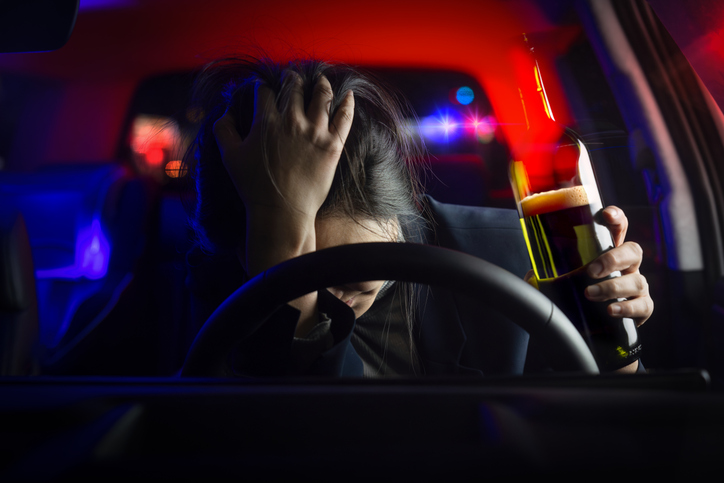
In Chicago, the distinction between a driver’s license suspension and a revocation under Illinois law often catches people off guard—especially those facing DUI or traffic-related criminal charges. On the surface, both may look like the same problem: you lose the ability to legally drive. But under Illinois law, these two penalties carry very different consequences and pathways to reinstatement.
Illinois drivers may find themselves facing a suspension or revocation due to a DUI arrest, multiple traffic violations, failure to pay fines, or a serious criminal offense. Whether the underlying offense is classified as a misdemeanor or a felony, losing your license can make your life more difficult, limit employment opportunities, and increase your risk of further legal problems if you continue to drive on a suspended or revoked license.
Here in Chicago, where public transportation is accessible but not always convenient or safe, having a valid license is critical. People living in neighborhoods like Bridgeport, Uptown, Austin, or Logan Square rely on their cars to get to work, care for family, or attend school. That’s why the distinction between a suspension and a revocation matters so much—and why people facing these consequences need a Chicago criminal defense lawyer to help them protect their rights and restore their driving privileges.
Illinois Statutes and the Criminal Process Behind Suspensions and Revocations
The authority to suspend or revoke driving privileges in Illinois comes from 625 ILCS 5/6-206 and 625 ILCS 5/6-205, respectively. Under these statutes, the Illinois Secretary of State has the power to either temporarily remove your driving privileges (suspension) or terminate them entirely (revocation), depending on the severity of the offense.
A license suspension means your license is temporarily invalid for a specific time period, after which it can be reinstated—usually with a fee and proof of compliance with any court-ordered conditions. A revocation, on the other hand, means your license has been canceled altogether. To regain your driving privileges after a revocation, you must undergo a formal Secretary of State hearing, complete any required treatment or education programs, and demonstrate that reinstatement is in the public’s interest.
Common reasons for license suspension in Chicago include:
- DUI arrests resulting in statutory summary suspension under 625 ILCS 5/11-501.1
- Accumulating too many points from moving violations
- Failing to appear in traffic court
- Non-payment of child support or traffic fines
Revocation, however, is imposed after more serious offenses, such as:
- A DUI conviction
- Vehicular homicide or reckless homicide
- Leaving the scene of an injury accident
- Aggravated fleeing and eluding
Criminal cases begin when law enforcement initiates a traffic stop or criminal investigation. If you’re arrested and charged with a DUI or another offense that impacts your driving privileges, the case proceeds through the Cook County court system—starting with arraignment, followed by pretrial motions, negotiations, and potentially trial.
Whether you’re facing a suspension or revocation, the criminal case directly affects your driving status. A conviction can lead to automatic revocation, while an arrest—even without a conviction—can trigger a statutory suspension. That’s why it’s critical to involve a Chicago DUI lawyer who understands both the court process and the administrative steps required to protect your license.
Criminal Trial Strategy: Fictional Case Study in Garfield Ridge
Let’s consider a realistic example. A man is pulled over near 55th and Central in the Garfield Ridge neighborhood after allegedly speeding and weaving between lanes. The officer smells alcohol and asks the driver to perform field sobriety tests. The driver refuses the breath test, which automatically triggers a statutory summary suspension for one year under Illinois law.
However, this is the man’s second DUI arrest in ten years. When the State’s Attorney files formal charges and a conviction follows, the Secretary of State revokes his license for a minimum of five years.
As a criminal defense lawyer in Chicago, I immediately review the dashcam and bodycam footage, which shows conflicting observations between two officers. One report claims the driver was “slurring” while the video shows him speaking clearly. I file a motion to suppress the traffic stop due to lack of probable cause. The judge grants the motion, and the criminal DUI charge is dismissed.
This dismissal not only ends the criminal case but also provides grounds to challenge the license revocation and seek reinstatement. Because there is no longer a conviction, the revocation may be reversed. The man still faces the one-year summary suspension for refusing the test, but his chance at reinstating full driving privileges is dramatically improved thanks to the legal defense raised early in the case.
Evidence in Suspension and Revocation Cases and Why Legal Counsel Matters
In any DUI or criminal case that results in a suspension or revocation, the evidence collected by police and prosecutors plays a central role in the outcome. Law enforcement typically gathers:
- Officer observations of impairment (odor of alcohol, bloodshot eyes)
- Field sobriety test performance
- Breath, blood, or urine test results
- Dashcam and bodycam footage
- Witness statements or 911 recordings
- Prior arrest and conviction history
When your driving privileges are at risk, a Chicago criminal defense attorney will challenge every piece of that evidence. If the breathalyzer wasn’t properly calibrated, if the traffic stop lacked legal justification, or if the chain of custody for your blood sample is broken, your case may be reduced or dismissed entirely.
The process of restoring your license after a revocation is particularly complex. It involves a formal Secretary of State reinstatement hearing, where you must demonstrate remorse, rehabilitation, and a reduced risk of reoffending. This process includes submitting to a drug and alcohol evaluation, completing treatment or education, and presenting character references. An experienced attorney can prepare you for this hearing, help gather documentation, and represent you before the administrative judge.
For suspended drivers, a lawyer may be able to help you obtain a Monitoring Device Driving Permit (MDDP) or Restricted Driving Permit (RDP), which allows you to drive legally while serving your suspension. Without these permits, driving during a suspension or revocation period can result in felony charges and extended penalties.
Legal Defenses, Attorney Selection, and Why Representation Matters
Legal defenses in suspension or revocation cases often focus on constitutional and procedural flaws. For example, if police lacked probable cause to stop your vehicle or violated your rights during the DUI arrest, your lawyer can file a motion to quash arrest and suppress evidence. If successful, the evidence is excluded, and the case may be dismissed.
Other defenses include:
- Medical conditions that mimic signs of impairment
- Inaccurate test results due to equipment malfunction
- Witness inconsistencies
- Lack of clear proof you were in control of the vehicle
Choosing the right criminal defense lawyer in Chicago is critical. Look for someone with years of courtroom experience in DUI and traffic-related offenses. You want a lawyer who has successfully defended cases in Cook County and knows how the Secretary of State’s reinstatement process works.
In your free consultation, be prepared to ask:
- Have you handled suspension and revocation cases like mine?
- Do you have experience with Secretary of State hearings?
- What are the chances of avoiding a conviction in my case?
- How long will it take to get my license back?
- Will you personally handle my case?
Don’t leave these questions unanswered. A well-informed decision about your attorney could be the difference between months of hardship and a full recovery of your license and your record.
Criminal Defense FAQs – Suspension, Revocation, and Related Offenses in Chicago
Can a license suspension become a revocation in Illinois?
Yes. If you are convicted of DUI while your license is under statutory suspension, the conviction will trigger a revocation. Also, if the underlying offense escalates—such as causing an injury accident during a DUI—the Secretary of State may revoke your license rather than continue the suspension. A Chicago criminal defense attorney can help you avoid this by contesting the charges early in the case.
How long does a revocation last in Illinois?
A revocation typically lasts one year for a first offense, five years for a second offense within 20 years, and 10 years or more for a third DUI. For lifetime revocations (after four DUIs), you may not be eligible for reinstatement at all. A Chicago DUI lawyer can help you navigate the reinstatement hearing process and determine whether you’re eligible for a Restricted Driving Permit.
Can I get a permit to drive while suspended in Chicago?
Possibly. For first-time DUI suspensions, you may be eligible for a Monitoring Device Driving Permit that allows you to drive with a BAIID device installed in your car. For other suspensions, you may apply for a Restricted Driving Permit, especially if you need to drive for work, school, or medical care. A criminal defense lawyer in Chicago can assist in filing the proper paperwork and preparing you for the interview with the Secretary of State.
What’s the difference between criminal and administrative license penalties?
A statutory summary suspension is an administrative penalty from the Secretary of State based on failing or refusing chemical testing. A revocation, on the other hand, typically results from a criminal conviction. These two processes are separate and can run simultaneously, so it’s possible to beat the criminal case but still face license loss unless you challenge both through the correct channels.
What happens if I drive while revoked or suspended in Illinois?
Driving while suspended or revoked is a criminal offense under 625 ILCS 5/6-303. If the original suspension or revocation was due to DUI, driving before reinstatement can result in a Class 4 felony, carrying 1 to 3 years in prison, especially if you have prior violations. A Chicago criminal lawyer can defend you against these charges and may be able to reduce or dismiss the case.
Can my license be revoked if I wasn’t convicted yet?
Yes, in the case of statutory summary suspension, your license can be suspended for failing or refusing a chemical test—even before the DUI case is resolved in court. This makes it critical to file a petition to rescind the suspension within 90 days of arrest. Your Chicago DUI attorney can represent you at this hearing to challenge the evidence and timing of the suspension.
Why You Need an Attorney and Why to Call The Law Offices of David L. Freidberg
If your license is at risk in Illinois—due to DUI, unpaid tickets, or a criminal charge—you cannot afford to face the legal system alone. Whether you’re dealing with a suspension, a revocation, or criminal prosecution, the consequences can be life-changing.
At The Law Offices of David L. Freidberg, I represent drivers across Chicago, Cook County, DuPage County, Will County, and Lake County who are fighting to keep or restore their driving privileges. I know how the courts and the Secretary of State work—and I’ll give you honest, aggressive legal representation every step of the way.
From challenging unlawful traffic stops to representing clients at formal reinstatement hearings, I’ve helped thousands of clients avoid permanent license loss and serious criminal convictions.
Call The Law Offices of David L. Freidberg – Free Consultation 24/7
Don’t let a suspension or revocation ruin your career, your mobility, or your future. Call The Law Offices of David L. Freidberg for immediate help with DUI charges, suspended licenses, or criminal cases tied to driving in Illinois.
Whether you’re charged in downtown Chicago, Skokie, Maywood, Bridgeview, or Rolling Meadows, we’re ready. We appear regularly in courtrooms throughout Cook, DuPage, Will, and Lake Counties. And we don’t treat aggravated speeding as just another moving violation.
If you were arrested in Chicago, protect your future by contacting The Law Offices of David L. Freidberg. We have decades of experience handling DUI cases in Illinois. Our firm is available 24/7 to provide the legal defense you deserve.
Contact us today at (312) 560-7100 or toll-free at (800) 803-1442 for a free consultation. We’re available 24/7 to serve clients throughout Illinois, Cook County, DuPage County, Will County, and Lake County.