

I Don’t Know What I Would
Have Done Without Him...
Understanding DUI Suspensions and Hardship Licenses in Chicago, Illinois
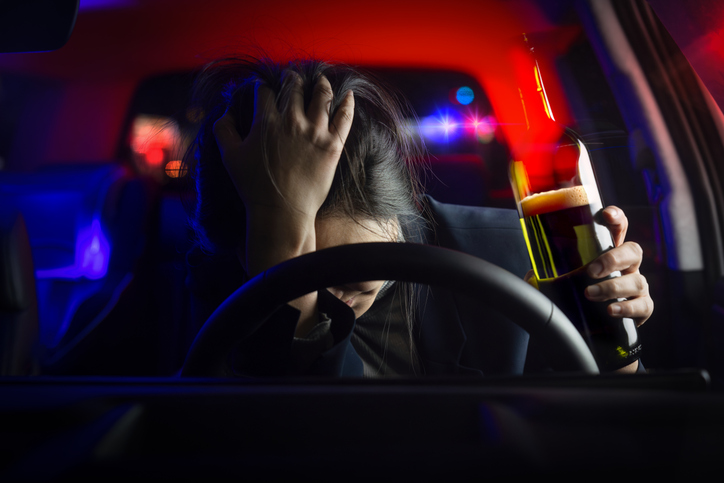
Living in Chicago means that for many, having access to a car is more than a convenience—it’s a necessity. Whether you’re commuting from Bridgeport to the Loop or working late in Rogers Park, losing your driver’s license due to a DUI arrest can disrupt your entire life. Under Illinois law, DUI arrests often lead to a Statutory Summary Suspension of your driver’s license, even before you’re convicted of anything. This raises a critical question: can you still get a hardship license or Restricted Driving Permit (RDP) once your suspension kicks in?
In Illinois, all crimes—including DUI—are either misdemeanors or felonies. Most first-time DUI cases are charged as Class A misdemeanors, punishable by up to 364 days in jail and a $2,500 fine. But when aggravating factors are involved—such as prior convictions, injury to another person, or driving on a suspended license—a DUI can be charged as a felony, carrying state prison time, larger fines, and longer revocations of driving privileges.
That distinction also impacts your ability to get a hardship license. Illinois law under 625 ILCS 5/6-205 and 6-206.1outlines specific eligibility rules, timeframes, and steps for applying for a hardship license. These licenses don’t restore full driving privileges but do allow you to drive to work, school, medical appointments, or alcohol treatment programs while your suspension or revocation is in effect.
The process is far from automatic. It involves hearings, evidence, and sometimes months of preparation. The guidance of an experienced Chicago DUI lawyer can make or break your application, especially if the court or the Secretary of State sees your situation as high-risk. With the right attorney, however, even drivers with prior offenses or felony DUIs may be eligible for limited relief that helps them keep their jobs and responsibilities intact.
What Triggers a DUI Suspension and How to Fight It in Illinois
After a DUI arrest in Chicago, most drivers are shocked to learn that their license is automatically suspended—even before they have a chance to plead guilty or not guilty in court. This is due to Statutory Summary Suspension (SSS)laws under 625 ILCS 5/11-501.1. If you fail a chemical test (such as a breathalyzer) or refuse to take one, your license will be suspended by the Illinois Secretary of State.
The duration of the suspension depends on several factors:
- First offense, failed test (BAC ≥ 0.08): 6-month suspension
- First offense, test refusal: 12-month suspension
- Second or subsequent offense, failed test: 12-month suspension
- Second or subsequent offense, refusal: 3-year suspension
These suspensions begin 46 days after your arrest, unless your Chicago criminal defense lawyer files a petition to challenge it within 30 days. This is called a Petition to Rescind Statutory Summary Suspension, and it can be a critical step in protecting your driving privileges.
To be clear, the summary suspension is separate from the criminal case. You can be found not guilty of DUI and still face license suspension if the administrative suspension isn’t overturned.
Once your license is suspended, the only way to regain limited driving privileges is to apply for a Monitoring Device Driving Permit (MDDP) if you’re a first offender, or a Restricted Driving Permit (RDP) if you’re not. The eligibility, paperwork, and hearing requirements vary, and errors can delay your ability to drive by months.
Having a DUI defense attorney in Chicago help you prepare for the hearing and present the right evidence—employment verification, hardship documentation, proof of treatment—can dramatically improve your chances of success.
Fictional Case Example: DUI in Lincoln Square and the Fight for Driving Privileges
Consider a driver pulled over late at night on Western Avenue in the Lincoln Square neighborhood of Chicago. Police claim he drifted between lanes and smelled of alcohol. The officer conducts field sobriety tests and arrests him for DUI. At the station, he refuses the breathalyzer.
Because of that refusal, the Secretary of State imposes an automatic 12-month suspension of his driver’s license under Illinois implied consent law. The driver hires a Chicago DUI lawyer right away, who files a petition to rescind the summary suspension. At the hearing, the defense attorney cross-examines the officer and reveals inconsistencies in the arrest report and video footage. The judge rules that the traffic stop lacked legal justification, and the suspension is rescinded.
Had that hearing gone differently—or if no petition had been filed—the client would have lost his license for a year. With two kids, a full-time job in the suburbs, and no access to public transportation, he would’ve had no way to meet his obligations.
This example highlights two critical facts. First, timing matters. Waiting too long after the arrest forfeits your ability to fight the suspension. Second, your attorney’s skill in challenging probable cause, field testing, and officer conduct can restore your license long before trial.
If the suspension had remained in place, the client could still apply for an MDDP, but only with the help of counsel to submit a completed application, install a BAIID (Breath Alcohol Ignition Interlock Device), and meet the Secretary of State’s conditions. The outcome would have been much more restrictive, but still better than not driving at all.
Legal Defenses and Why You Need an Attorney at Every Stage of a DUI Case in Illinois
Defending against DUI charges in Illinois—and protecting your license—requires aggressive legal strategy at each stage. Criminal cases typically begin with an arrest followed by a bond hearing at a local Chicago courthouse such as 26th and California, Skokie, or Bridgeview. From there, your lawyer will receive discovery and begin building your defense.
Common types of evidence collected by law enforcement in DUI cases include:
- Officer observations and field sobriety test results
- Breathalyzer or chemical test readings
- Dashcam and bodycam video footage
- Statements made by the driver
- Witness accounts and accident reports (if applicable)
Your Chicago criminal defense lawyer can challenge the legality of the stop, the administration of the sobriety tests, or the accuracy of chemical testing equipment. If a constitutional violation occurred—such as an illegal search or detention—your attorney can file a motion to suppress evidence, which may lead to the case being dismissed.
Even if the evidence appears strong, your lawyer can negotiate with prosecutors to reduce the charges, seek court supervision, or secure an agreement that avoids jail time and preserves your ability to drive with a hardship license.
During a DUI suspension or revocation period, your attorney will also assist with:
- Filing for a Restricted Driving Permit (RDP) or MDDP
- Preparing for a Secretary of State hearing
- Demonstrating hardship and showing evidence of rehabilitation
- Submitting proof of alcohol evaluation and completion of education or treatment
Your defense begins the moment you’re pulled over. It doesn’t end until your license is restored, your record is protected, and your case is resolved.
FAQs – DUI Suspensions, Hardship Licenses, and Criminal Defense in Chicago, Illinois
Can I drive to work if my license is suspended after a DUI in Illinois?
Yes, but only if you apply for and are granted a Restricted Driving Permit (RDP) or Monitoring Device Driving Permit (MDDP). These permits require you to demonstrate hardship and, in most cases, install a BAIID in your vehicle. A Chicago DUI lawyer can help prepare your application and present evidence of need at the hearing.
How long do I have to request a hearing to fight my license suspension?
You must file a Petition to Rescind Statutory Summary Suspension within 30 days of your arrest. If granted, the automatic suspension is canceled. If denied—or if you miss the deadline—you may still apply for a hardship license, but you’ll be unable to drive without it.
Is a hardship license guaranteed if I lose my DUI hearing?
No, it’s not automatic. The Secretary of State considers several factors: your driving history, seriousness of the offense, proof of hardship, and whether you completed required alcohol education. A DUI attorney in Chicago can help maximize your chances of approval by preparing a compelling case.
What’s the difference between an MDDP and an RDP in Illinois?
An MDDP is for first-time DUI offenders and allows them to drive with a BAIID during the statutory summary suspension. An RDP is for repeat or non-first offenders and requires a more thorough application process, including a formal hearing and documented proof of hardship.
Can I apply for a hardship license if I refused the breathalyzer?
Yes, but the waiting period is longer. Refusing the breath test often results in a 12-month or 3-year suspension, depending on prior offenses. You may still apply for an RDP, but the Secretary of State may impose stricter conditions. A Chicago criminal defense lawyer can guide you through the process.
Do I need an attorney for a Secretary of State hearing?
Absolutely. These hearings are legal proceedings with rules of evidence and burdens of proof. You’ll need to provide documentation, testimony, and possibly answer questions under oath. A lawyer prepares you for this process and handles the hearing itself.
Can a DUI charge be dismissed even if I failed the breath test?
Yes. If the traffic stop was unconstitutional, the test was improperly administered, or the machine was uncalibrated, your Chicago DUI lawyer may file a motion to suppress the breath test evidence. If successful, the charge could be reduced or dismissed.
Is DUI in Illinois a felony or a misdemeanor?
It depends. A first or second DUI is usually a Class A misdemeanor, but a third offense, or cases involving injury, children in the vehicle, or driving without a license can be charged as a felony. Felony DUI carries prison time and longer license revocation.
Can I get court supervision after a DUI arrest?
If this is your first offense, you may be eligible for court supervision, which avoids a conviction and may help preserve your driving privileges. Your attorney must negotiate for it, and it’s only allowed once in a lifetime for DUI offenses in Illinois.
Do I have to install a BAIID if I get a hardship license?
Yes. Illinois law requires installation of a Breath Alcohol Ignition Interlock Device on any vehicle you drive while under a hardship license or MDDP. You are responsible for the cost, installation, and monitoring of the device.
Why You Should Hire The Law Offices of David L. Freidberg for DUI Suspension Defense
If your driver’s license is suspended due to a DUI arrest or conviction, you don’t have time to wait. Every day without a license affects your work, your family, and your freedom. The difference between getting a hardship license and being stuck without options often comes down to whether you have a skilled Chicago DUI defense attorney fighting for you.
At The Law Offices of David L. Freidberg, we represent clients throughout Chicago, Cook County, DuPage County, Will County, and Lake County facing DUI charges and license suspensions. We handle statutory summary suspension hearings, Secretary of State license reinstatement proceedings, and criminal DUI defense with a focus on protecting your record and restoring your rights.
We understand the law, we understand the system, and we know how to present your case in a way that gets results.
Why You Need an Attorney and Why You Should Call The Law Offices of David L. Freidberg
DUI charges in Chicago—whether filed as misdemeanors or felonies—carry serious consequences that won’t go away on their own. Weather might explain your driving, but it won’t stop prosecutors from pursuing the case. You need a Chicago DUI attorney who can present evidence, challenge police assumptions, and fight to protect your future.
If you were arrested in Chicago, protect your future by contacting The Law Offices of David L. Freidberg. We have decades of experience handling DUI cases in Illinois. Our firm is available 24/7 to provide the legal defense you deserve.
Contact us today at (312) 560-7100 or toll-free at (800) 803-1442 for a free consultation. We’re available 24/7 to serve clients throughout Illinois, Cook County, DuPage County, Will County, and Lake County.
Don’t gamble with your license, your freedom, or your record.