

I Don’t Know What I Would
Have Done Without Him...
Refusing a Breath Test in Illinois – What Happens Next
Chicago DUI Defense Lawyer for Breath Test Refusal Cases
Refusing a Breath Test in Chicago Can Trigger Immediate Consequences Under Illinois Law
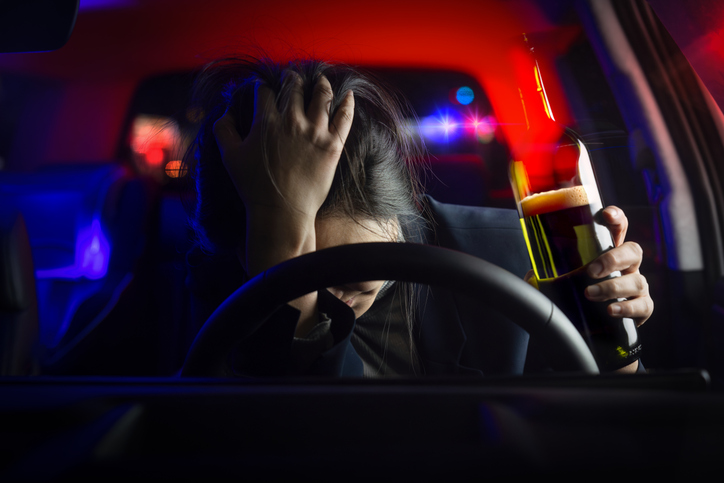
Drivers in Chicago often believe refusing a breath test protects them from a DUI charge. While refusal can limit certain types of evidence, Illinois law imposes immediate consequences when a driver declines chemical testing. In Chicago and throughout Cook County, refusing a breath test can lead to license suspension, criminal prosecution, and long-term consequences that extend beyond the initial traffic stop. Understanding what happens next is essential for anyone facing this situation.
Illinois law separates criminal offenses into misdemeanors and felonies. Most first-time DUI charges under 625 ILCS 5/11-501 are classified as Class A misdemeanors. However, aggravating factors such as prior DUI convictions, driving with a suspended license, or causing bodily harm can elevate the charge to a felony offense. A refusal to submit to chemical testing does not automatically increase the charge level, but it can affect license suspension periods and influence how prosecutors evaluate the case.
Chicago law enforcement agencies frequently conduct DUI enforcement throughout neighborhoods such as River North, Lakeview, and the West Loop. Officers may initiate stops based on alleged traffic violations, erratic driving, or checkpoint operations. Once a stop occurs, officers often begin building a case immediately. They may observe the driver’s behavior, conduct field sobriety testing, and request a breath test. If the driver refuses, the officer typically issues a statutory summary suspension notice under Illinois law.
The statutory summary suspension is administrative in nature but has serious consequences. Under 625 ILCS 5/11-501.1, drivers who refuse chemical testing face automatic license suspension periods that are often longer than those imposed after a failed test. For a first refusal, the suspension may extend for twelve months. For subsequent incidents, the suspension period increases significantly.
Although refusing a breath test is not itself a criminal offense, it often leads to both administrative and criminal proceedings. Prosecutors may still pursue DUI charges based on officer observations, field sobriety testing, and other evidence. This dual process makes early legal representation critical for protecting driving privileges and defending against criminal allegations.
How DUI Investigations and Breath Test Refusals Are Handled in Chicago
DUI investigations in Chicago typically begin with a traffic stop. Officers must have reasonable suspicion to stop a vehicle. Once the stop occurs, officers begin evaluating the driver for signs of impairment. This may include observations such as slurred speech, odor of alcohol, or difficulty producing documents.
If the officer suspects impairment, field sobriety tests may be requested. These tests often include the walk-and-turn, one-leg stand, and horizontal gaze nystagmus test. After these assessments, officers usually request a breath test. When a driver refuses, the officer documents the refusal and proceeds with the arrest.
After arrest, the driver is transported to a police station. Officers may again request chemical testing. If the driver continues to refuse, the statutory summary suspension process is triggered. The driver receives documentation explaining the suspension and court date.
Consider a fictional scenario in the Lincoln Park neighborhood. A driver is stopped after allegedly drifting between lanes. The officer claims to detect alcohol and requests field sobriety testing. The driver declines and later refuses a breath test. The prosecution relies on officer observations and body camera footage. A skilled Chicago DUI defense attorney would examine whether the initial stop was lawful, whether the officer properly administered the implied consent warnings, and whether the refusal was properly documented. These issues often determine whether the suspension can be challenged.
Evidence in these cases often includes body camera footage, squad car video, officer reports, and witness statements. Law enforcement may also collect observations about the driver’s behavior. Each piece of evidence must be evaluated carefully.
Penalties and Criminal Consequences After Refusing a Breath Test
Refusing a breath test in Illinois triggers administrative penalties and may still result in criminal charges. Under Illinois law, a first refusal typically results in a twelve-month statutory summary suspension. Subsequent refusals can lead to longer suspensions.
Criminal penalties for DUI under 625 ILCS 5/11-501 may include jail time, fines, probation, and mandatory alcohol education programs. Even a first-time DUI conviction can result in up to 364 days in jail as a Class A misdemeanor. Additional penalties may include community service, court supervision, and mandatory monitoring.
A DUI conviction creates a permanent criminal record. This record can affect employment, insurance rates, and professional licensing. In Chicago, individuals in regulated professions often face additional scrutiny after DUI convictions.
The criminal court process begins with arraignment and discovery. Defense counsel reviews police reports and video evidence. Motions to rescind the statutory summary suspension may also be filed. If successful, the driver’s license may be restored.
If the case proceeds to trial, prosecutors must prove impairment beyond a reasonable doubt. Without a breath test result, prosecutors often rely heavily on officer observations. This reliance creates opportunities for defense strategies focused on challenging subjective observations.
Legal Defenses and Why a Chicago DUI Defense Attorney Matters
Several defenses may apply when a driver refuses a breath test. One common defense involves challenging the legality of the traffic stop. If the stop lacked reasonable suspicion, evidence obtained afterward may be suppressed.
Another defense involves improper implied consent warnings. Officers must properly advise drivers of consequences. Failure to follow procedure may invalidate the suspension.
Defense attorneys also examine whether field sobriety tests were administered properly. These tests are subjective and often influenced by environmental conditions. Weather, lighting, and roadway conditions can affect performance.
A Chicago criminal defense attorney plays a vital role throughout the process. Early involvement allows counsel to challenge suspension, review evidence, and negotiate with prosecutors. Without legal representation, drivers often miss opportunities to protect their license and record.
When choosing a criminal defense attorney in Illinois, drivers should look for courtroom experience, familiarity with DUI law, and knowledge of Cook County procedures. During a consultation, drivers should ask about potential defenses, timelines, and expected outcomes.
Chicago Criminal Defense FAQs About Refusing a Breath Test
Drivers in Chicago frequently ask whether refusing a breath test helps avoid DUI charges. While refusal limits certain evidence, prosecutors may still rely on other observations. Another common question concerns license suspension length. First refusals typically result in twelve-month suspensions.
Drivers also ask whether they can challenge suspension. Motions to rescind may be filed within statutory time limits. These hearings often focus on whether officers followed proper procedures.
Questions about criminal records are common. A DUI conviction creates a permanent record that may affect employment and insurance rates. Drivers also ask whether jail is likely. First-time offenders often receive probation or supervision, but outcomes vary.
Another common question involves hiring a lawyer. Early representation often improves outcomes by challenging evidence and negotiating with prosecutors.
Why Clients Choose The Law Offices of David L. Freidberg
Drivers facing DUI charges after refusing a breath test often need strategic defense. The Law Offices of David L. Freidberg represents clients across Chicago and surrounding counties. The firm focuses on challenging suspension, reviewing evidence, and protecting clients’ records.
If you’re facing criminal charges in Chicago, Cook County, or surrounding areas like DuPage County, Lake County, or Will County, don’t wait. Criminal cases require aggressive and immediate legal action. I’ve defended clients across Illinois in situations just like yours—and helped them beat serious charges.
If you are under investigation or have been charged with a crime in Chicago or anywhere in Illinois, contact The Law Offices of David L. Freidberg immediately. We offer free consultations 24/7. We’re available 24 hours a day, 7 days a week. Contact us today at (312) 560-7100 or toll-free at (800) 803-1442 for a free consultation. Your future is worth fighting for. We’ll stand with you—and we’ll fight to protect your freedom from the very first call. Early legal representation can make the difference between indictment and defense.
📞 Call (312) 560-7100 or toll-free at (800) 803-1442.
📍Serving Chicago, Cook County, DuPage County, Will County, and Lake County, Illinois.