

I Don’t Know What I Would
Have Done Without Him...
Is a Public Defender Enough To Handle My DUI License Suspension In Chicago?
Chicago DUI Cases, Public Defenders, And What Is Really At Stake
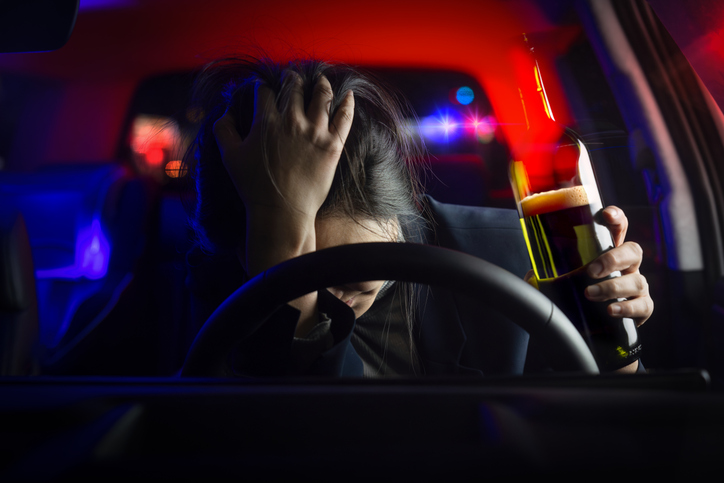
Chicago is a city where a suspended driver’s license can change nearly every aspect of daily life. People in neighborhoods like Albany Park, Bronzeville, Wrigleyville, and Little Village depend on their vehicles for work, childcare, school, and family responsibilities. When a DUI arrest occurs, most people immediately think about jail or fines, but the first real consequence is often the statutory summary suspension of their driver’s license. That suspension happens automatically unless it is fought in court. The central question many people then ask is whether a public defender is enough to handle the complicated administrative and criminal issues tied to a DUI license suspension in Chicago.
Illinois criminal law divides offenses into misdemeanors and felonies. Misdemeanor offenses are punishable by up to 364 days in jail and can still carry heavy fines, probation, supervision, and collateral consequences. Felonies carry potential sentences in the Illinois Department of Corrections for one year or more and follow a person for life. DUI offenses fall within both categories depending on the facts and prior history. The core statute governing DUI offenses, 625 ILCS 5/11‑501, sets out what constitutes driving under the influence of alcohol, drugs, or intoxicating compounds. Even first‑time DUI cases that are charged as misdemeanors can still result in harsh license consequences separate from the criminal case.
Public defenders in Chicago are dedicated attorneys who work extremely hard for the clients assigned to them. However, they are typically appointed to handle the criminal case only. The license suspension proceeding is a separate civil matter against the driver, and many public defenders are not tasked with contesting the suspension. The hearing to fight the statutory summary suspension is controlled by strict deadlines and highly technical legal standards, and missing the window to contest the suspension can mean months or years off the road. This is the stage where having a private Chicago DUI defense lawyer often changes the outcome, because there is time available to focus specifically on the license suspension while also defending the underlying criminal charge.
Understanding whether a case is a misdemeanor or felony matters because the risk exposure changes dramatically. A first DUI without aggravating circumstances may be a Class A misdemeanor. DUI with prior convictions, DUI causing injury, DUI without insurance, DUI while suspended or revoked, DUI with a child in the vehicle, or DUI resulting in death may be charged as aggravated DUI, which is a felony. Illinois law also imposes mandatory revocation periods through the Secretary of State after certain felony DUI convictions. The license suspension after an arrest is only the beginning. A conviction triggers a whole new set of consequences that can include long revocations, BAIID requirements, and limits on driving relief.
How DUI Criminal Cases Begin And How License Suspensions Happen
DUI cases in Chicago usually begin with a traffic stop, an accident investigation, or a roadside safety check. Law enforcement officers say they observed signs of impairment such as odor of alcohol, slurred speech, or bloodshot eyes. They may request standardized field sobriety testing, including walking and balancing tasks and eye movement tests. Under 625 ILCS 5/11‑501.1, Illinois implied consent law, a driver is considered to have consented to chemical testing if the officer has probable cause to believe the driver was impaired. A refusal or failure of chemical testing triggers the statutory summary suspension.
After the arrest, the driver is transported to a police station for booking. At that point, a breath test or blood draw may be sought. If the driver refuses the test, or if the test result is above .08, the officer files a sworn report with the Secretary of State. The suspension begins on the 46th day after notice is given unless a petition to rescind the suspension is filed. That petition is heard in the criminal court, but it is a distinct proceeding with its own legal standards. Many drivers assume that if they are fighting the criminal case, the suspension automatically remains on hold. That assumption is often wrong, and it is one of the reasons people later wish they had retained a private Chicago DUI lawyer.
The criminal case itself begins with a charging decision from the State’s Attorney. A first offense is frequently a misdemeanor unless aggravating factors exist. Felony DUI charges may be brought when circumstances listed in 625 ILCS 5/11‑501(d) are present. The penalties for conviction vary. Misdemeanor DUI can carry jail time, significant fines, mandatory drug and alcohol evaluation and treatment, community service, and supervision or probation. Felony DUI can involve prison sentences, long license revocations, vehicle forfeiture in certain cases, and serious collateral consequences affecting employment, immigration status, firearm rights, and professional licensing.
The criminal court process in Illinois includes arraignment, pretrial status hearings, motion practice, plea negotiations, and trial. The defense may challenge the stop, arrest, testing, statements, and police procedures. Meanwhile, the separate statutory summary suspension hearing focuses on issues such as whether the officer had reasonable grounds to believe the person was driving under the influence, whether proper warnings were given, whether testing was conducted correctly, and whether the driver actually refused or failed testing. These are highly technical issues drawn from 625 ILCS 5/2‑118.1. Missing legal arguments here often means the suspension stands even if the criminal case is later dismissed.
Law enforcement in DUI cases collects various types of evidence, including dashcam and bodycam video, officer observations, field sobriety test results, breath or blood test data, witness statements, and accident reconstruction in some situations. In addition to DUI evidence, criminal investigations across Illinois use search warrants, digital evidence, surveillance footage, forensic testing, and recorded statements. These tools are used in both misdemeanor and felony cases, whether the charges involve DUI, theft, drug crimes, battery, or more serious felonies.
Fictional Case Example And Why The Defense Strategy Matters
Consider a fictional but realistic scenario involving a driver stopped in the Andersonville neighborhood. The officer claims the driver rolled through a stop sign and appeared drowsy. After speaking with the driver, the officer reports detecting the odor of alcohol and requests field sobriety testing. The driver politely refuses field tests but is arrested and later refuses the breath test at the station. A statutory summary suspension is entered because of the refusal, and the criminal misdemeanor DUI case is filed.
The driver assumes that the public defender assigned will automatically fight both the criminal case and the license suspension. Court dates follow and time passes. The driver later learns that the deadline to secure a hearing on the suspension expired, and the suspension goes into effect. The driver must now install a BAIID device and is unable to drive freely for many months. At the same time, the criminal case is still pending, and the defense realizes that there were serious legal issues concerning whether the stop was justified and whether the officer had sufficient probable cause.
In this fictional case, a private Chicago DUI defense attorney would have immediately filed a petition to rescind the statutory summary suspension and demanded a prompt hearing. The attorney would have subpoenaed bodycam footage and station video and examined whether the officer complied with the warning requirements. If the officer failed to properly advise the driver of the consequences of refusal or failed to follow testing protocols, the suspension could potentially be rescinded even before the criminal case ended. Meanwhile, the defense in the criminal case could pursue motions to suppress evidence or seek reduction or dismissal based on constitutional violations.
This example demonstrates that the suspension component is independent of the criminal trial defense process. The trial itself involves jury selection, opening statements, cross‑examination of officers, expert testimony on testing issues, and closing arguments. Winning the trial does not automatically undo the license suspension unless it is separately contested. That distinction is where many people underestimate the scope of what a Chicago criminal defense lawyer must do in a DUI case.
Why A Private Criminal Defense Lawyer Can Change A DUI Suspension Case
A public defender can be an outstanding courtroom advocate in criminal proceedings, but their office is often overburdened with hundreds of active cases. They are appointed to the criminal charge itself and may not be resourced to pursue every administrative aspect of the suspension. A private Chicago DUI lawyer controls their caseload and can dedicate significant time to the administrative license hearing while also attacking the criminal prosecution. That focused attention matters in a city as large and busy as Chicago, particularly where Cook County courts move rapidly and strict deadlines decide whether a hearing is even allowed.
The benefits of having a criminal defense attorney in a DUI case include immediate investigation of the circumstances of the stop, preserving video evidence before it is overwritten, identifying flaws in field sobriety testing, analyzing the breath or blood test process, and preparing motions to suppress unlawfully obtained evidence. Private counsel has the ability to retain toxicology experts, accident reconstructionists, and investigators where necessary. They can also guide clients through the Secretary of State’s administrative rules concerning license reinstatement and monitoring device driving permits.
The criminal case process can be intimidating for first‑time offenders. It generally begins with arrest, bond court, arraignment, discovery, motion hearings, and possible trial. At each stage, decisions must be made that affect the license, the criminal record, immigration consequences, and employment. A private attorney can devote substantial time to client communication, reviewing options, and developing strategies tailored to the person’s goals. Whether the objective is dismissal, trial acquittal, plea reduction, or license relief, careful planning is required.
Potential legal defenses in DUI suspension cases include illegal traffic stops without reasonable suspicion, lack of probable cause for arrest, improper administration of field sobriety tests, faulty breath machine calibration, failure to give proper implied consent warnings, unlawful coercion into testing, missing documentation, and chain‑of‑custody issues in blood testing. Defenses in criminal DUI trials also include failure of proof regarding impairment, medical explanations for observed behavior, and violation of constitutional rights during questioning or detention.
When hiring a criminal defense attorney in Illinois, qualities to look for include courtroom presence, familiarity with local Cook County practice, strong motion practice skills, communication clarity, and thorough case preparation. A person should feel that the lawyer understands what is at stake and will commit time and energy to the matter. During a free consultation, good questions include whether the attorney handles statutory summary suspension hearings regularly, what strategies they see initially, whether they have defended DUI cases in the courthouse where the case is pending, what realistic outcomes may look like, and how often they appear before the specific judges assigned to DUI calls.
Chicago Criminal Defense And DUI FAQs
Chicago drivers often have urgent questions after a DUI arrest about license suspensions, court dates, and future consequences. One of the most common questions is whether the automatic suspension means they cannot drive at all. Under Illinois law, the statutory summary suspension begins on the forty‑sixth day after notice unless a petition to rescind is filed. A Chicago DUI lawyer can also help the driver obtain a Monitoring Device Driving Permit in appropriate cases, allowing limited driving with a BAIID device. Without legal help, many people serve long suspensions unnecessarily.
Another frequent question is whether DUI is considered a traffic offense or a criminal offense in Illinois. DUI is a criminal offense, charged as either a misdemeanor or felony, and it results in a criminal record if convicted. Even supervision, while avoiding conviction, still appears in background checks and can affect employment. For that reason, many people consult a Chicago criminal defense lawyer immediately to reduce the risk of lifelong record damage.
People also ask whether they can win a DUI case if they failed or refused the breath test. The answer is yes in many situations. Breath testing equipment must be properly maintained and operated, and the officer must comply with legal procedures. Refusals raise suspension issues but also deprive the prosecution of certain evidence. A Chicago DUI attorney analyzes both paths and selects the stronger strategy.
Another common question involves whether a public defender is sufficient for a license suspension hearing. Public defenders are skilled criminal litigators, but they typically have very large caseloads and frequently focus on the criminal charge only. The suspension hearing requires careful attention to statutory deadlines and technical evidence. A private Chicago criminal defense lawyer can focus directly on rescinding the suspension while still defending against the criminal charges.
Many Chicago residents charged with DUI want to know whether the arrest will affect their job or professional license. A DUI conviction can impact professional licensing in fields such as healthcare, transportation, law enforcement, education, and financial services. Employers may also impose discipline simply based on arrest, depending on company policy. Acting quickly with counsel minimizes these risks and helps prepare mitigation if necessary.
Another frequent concern is how criminal records affect housing, immigration, and travel. A misdemeanor DUI can still have serious immigration consequences depending on the facts, especially if drugs or children are involved. Felony DUI almost always carries significant collateral effects. A Chicago criminal defense lawyer examines both direct penalties and these indirect consequences so clients are fully informed.
People also ask whether felony DUI charges are automatic in repeat cases. Illinois law classifies third or subsequent DUI offenses and various aggravating circumstances as aggravated DUI. These are felony offenses. The penalties may include prison time and long license revocations. Early intervention by counsel can sometimes prevent escalation or help secure treatment‑based alternatives rather than incarceration.
Finally, many defendants want to know whether their case will definitely go to trial. Most DUI cases in Chicago resolve before trial, but trial remains a crucial option. A strong Chicago DUI lawyer prepares every case as if a trial could happen. That preparation also improves negotiation outcomes because prosecutors recognize when the defense is ready to contest every element of the case.
Why Choosing The Law Offices Of David L. Freidberg Matters In A DUI Suspension Case
A DUI arrest in Chicago places your license, freedom, employment, and family stability at risk. Trying to handle both the criminal charge and the license suspension without a dedicated private attorney is a serious mistake. The statutory summary suspension process is deadline driven and unforgiving, and failure to act quickly often results in months or years without driving. A public defender may be focused on the criminal court side and unable to devote the attention needed to the suspension proceedings. A private Chicago DUI defense lawyer at The Law Offices of David L. Freidberg can fully address both fronts.
Our firm works with clients in Chicago, Cook County, DuPage County, Will County, and Lake County. We understand how local judges view DUI suspension hearings, how to examine officer testimony, how to challenge breath or blood tests, and how to present your circumstances persuasively. Defendants benefit from individualized attention, immediate communication, and aggressive pursuit of rescission when appropriate. Going without counsel or relying solely on an overloaded public defender risks your license, your job, and your future.
Call The Law Offices of David L. Freidberg for Help With Suspended License and Driving Permits in Chicago
If you are asking whether a public defender is enough to handle a DUI license suspension in Chicago, the safest answer is to speak directly with a dedicated Chicago criminal defense attorney who regularly handles these hearings. The Law Offices of David L. Freidberg offers free consultations 24 hours a day. Call (312) 560‑7100 or toll‑free at (800) 803‑1442 to discuss your case. We represent clients across Chicago and throughout Cook County, DuPage County, Will County, and Lake County. Your license and your future deserve immediate attention by counsel who will fight for you at every stage.
Whether you’re charged in downtown Chicago, Skokie, Maywood, Bridgeview, or Rolling Meadows, we’re ready. We appear regularly in courtrooms throughout Cook, DuPage, Will, and Lake Counties. And we don’t treat aggravated speeding as just another moving violation.
If you were arrested in Chicago, protect your future by contacting The Law Offices of David L. Freidberg. We have decades of experience handling DUI cases in Illinois. Our firm is available 24/7 to provide the legal defense you deserve.
Contact us today at (312) 560-7100 or toll-free at (800) 803-1442 for a free consultation. We’re available 24/7 to serve clients throughout Illinois, Cook County, DuPage County, Will County, and Lake County.