

I Don’t Know What I Would
Have Done Without Him...
Illinois Statutory Summary Suspension: How to Fight the Automatic License Suspension After a DUI Arrest in Chicago
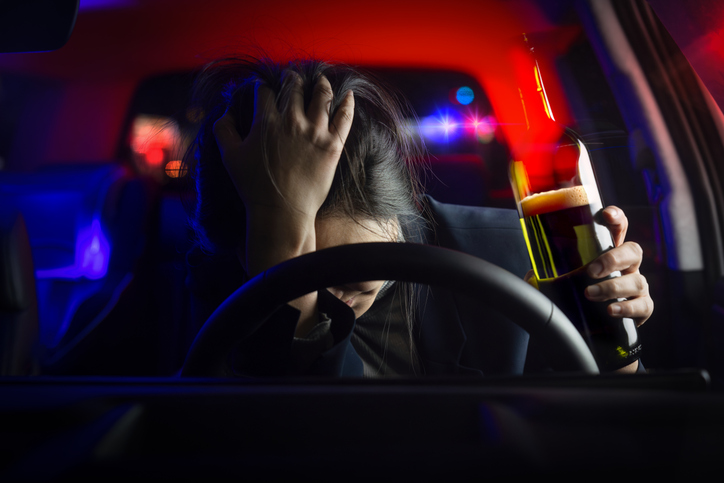
If you were arrested for DUI in Chicago or anywhere in Illinois, you’re likely facing not just criminal charges, but an immediate threat to your driver’s license through what’s called a “Statutory Summary Suspension.” This is a civil penalty that automatically suspends your driver’s license, often before you’ve even had your day in court. As a Chicago DUI defense lawyer with decades of experience defending drivers in Cook County and surrounding areas, I know firsthand how critical it is to act fast and strategically to fight this suspension.
Understanding DUI Arrests and Statutory Summary Suspension in Chicago, Illinois
Driving under the influence (DUI) charges in Chicago typically start with a traffic stop, roadside testing, and often a breath or blood test. In Illinois, DUI is governed by 625 ILCS 5/11-501, which prohibits operating a vehicle with a blood alcohol concentration (BAC) of .08 or higher, being under the influence of drugs, or having any amount of certain controlled substances in your system.
But separate from the criminal case is the Statutory Summary Suspension, which kicks in automatically if:
- You fail chemical testing (e.g., BAC above .08), or
- You refuse to submit to testing when requested by law enforcement
This automatic suspension begins 46 days after your arrest, unless it is successfully challenged.
This means you can be suspended even before a DUI conviction. That’s why fighting the Statutory Summary Suspension is often the first battle we take on in your defense.
For first offenders, the suspension period can range from 6 months (if you failed the test) to 12 months (if you refused testing). For repeat offenders, the periods are longer, and eligibility for a Monitoring Device Driving Permit (MDDP) may be restricted or denied.
How Criminal Cases Begin in Chicago: Arrests and Investigations
A DUI case usually begins with a police stop—commonly for speeding, swerving, or another alleged traffic infraction. In areas like Wrigleyville, River North, or along the Eisenhower Expressway, police are highly alert for potential drunk drivers, especially on weekends or holidays.
Officers may perform field sobriety tests (FSTs), administer a breathalyzer, and request blood or urine testing. Failing or refusing any of these can lead to a Statutory Summary Suspension. The entire DUI arrest, from the moment you’re pulled over, can be used as evidence in both the civil suspension hearing and the criminal DUI prosecution.
Once arrested, your criminal case begins with a bond hearing. This is followed by arraignment and several pre-trial conferences. You may face a misdemeanor or felony, depending on whether you have prior DUIs, caused injury, or had children in the vehicle.
- A first or second DUI offense is generally a Class A misdemeanor punishable by up to 364 days in jail and up to $2,500 in fines
- A third or subsequent DUI, or a DUI involving injury or death, can result in Class 2 or higher felony charges, carrying years in prison
This means a DUI is not “just a traffic ticket”—it can result in lifelong consequences.
What Evidence Do Police and Prosecutors Use in DUI Cases?
Prosecutors in Chicago, Cook County, and neighboring counties build DUI cases using every available piece of evidence. This includes:
- Dashcam and bodycam footage from the arresting officers
- Statements made by the driver
- Field sobriety test results (which are subjective)
- Breathalyzer or blood test results
- Officer observations, such as slurred speech, red eyes, or odor of alcohol
- Surveillance footage if available from nearby businesses
If you refused testing, that refusal can still be used as evidence in your DUI case and is the basis for your Statutory Summary Suspension.
It’s critical to have a lawyer review this evidence early. In many cases, I’ve uncovered procedural errors, unlawful stops, faulty testing equipment, and inconsistent officer reports that helped dismiss charges or rescind the suspension.
Missed Check-Ins, Late Fees, Curfew Issues, and Technical Violations
After a DUI arrest, especially if you’re placed on bond supervision or pre-trial monitoring, even small missteps can affect your case. In Cook County and Chicago, the courts may impose:
- Mandatory court check-ins
- SCRAM alcohol monitoring devices
- Curfews
- Financial obligations like fines or fees
Judges treat technical violations differently from new criminal charges. For example:
- Missing a payment deadline or being late to a court check-in may trigger a warning or increased supervision
- Repeated failures, however, can lead to revocation of bond or an arrest warrant
- Substantive violations, such as getting arrested for a new offense while on bond, are viewed more harshly and may result in immediate detention
Even without a new arrest, repeated curfew violations or missed court dates can negatively influence how the judge views your credibility and cooperation. That’s why a proactive defense strategy includes not just fighting the charge but also keeping you compliant at every stage.
The Criminal Trial Process for a DUI in Chicago
Once your case moves beyond pre-trial conferences, it may be set for trial. Trials in Cook County are typically held at the Daley Center or other circuit court buildings depending on where the arrest occurred.
During trial, the prosecutor must prove beyond a reasonable doubt that:
- You were in actual physical control of the vehicle
- You were under the influence or had a prohibited substance level
At trial, I challenge:
- The legality of the stop
- Whether probable cause existed for the arrest
- Accuracy and admissibility of test results
- Officer credibility
- Chain of custody for evidence
In many DUI cases, a skilled defense attorney can show that the tests were improperly administered or the stop was unconstitutional.
In some cases, we can win your case before trial by filing a Petition to Rescind the Statutory Summary Suspension. This is a separate court proceeding, and you must file it within 90 days of your arrest. Winning this petition can restore your license rights before the criminal DUI case is even resolved.
Fictional Example: Defense Strategy in a Realistic Chicago DUI Case
Let’s say a man is stopped near Logan Square for an alleged lane violation after leaving a bar. The officer claimed he smelled alcohol and observed red, watery eyes. The driver refused the breath test and was arrested for DUI.
He immediately faced a 12-month statutory summary suspension due to the refusal. At the hearing on our petition to rescind the suspension, we introduced bodycam footage showing the officer misrepresented the reason for the stop. The footage showed no actual traffic violation occurred.
We argued the initial stop was illegal, which meant everything that followed—FSTs, refusal, arrest—was inadmissible. The judge agreed, rescinded the suspension, and the DUI case was later dismissed for lack of admissible evidence.
Legal Defenses to Statutory Summary Suspension in Illinois
A strong defense starts with challenging the foundation of the traffic stop or arrest. In Illinois, the following defenses can apply:
- The stop was unlawful or lacked probable cause
- The officer failed to properly inform you of the consequences of refusal (Warning to Motorist)
- The chemical testing was not administered properly
- You were not properly under arrest at the time of refusal
- Test results were flawed, mishandled, or inadmissible
Every DUI case is different. I tailor your defense to the facts, whether it’s bodycam footage, officer inconsistencies, or even medical conditions that mimic intoxication.
Why You Need a DUI Defense Attorney in Chicago
A statutory summary suspension is not something you can easily fight on your own. If you do nothing, you will lose your license. If you miss your filing deadline, you waive your right to challenge the suspension.
An experienced criminal defense attorney can:
- File the petition to rescind on time
- Represent you at the hearing to cross-examine the arresting officer
- Review discovery for errors or violations of your rights
- Handle both the civil license issue and the criminal DUI case simultaneously
I handle cases in Cook County, DuPage, Will, and Lake Counties. I know the local judges, courtrooms, and strategies that win in Chicago.
Qualities to Look for in a Criminal Defense Attorney in Illinois
When hiring a defense lawyer in Chicago, look for someone with:
- Courtroom trial experience in DUI and criminal cases
- Familiarity with local prosecutors and judges
- A proven record of dismissals, rescinded suspensions, and case wins
- Availability to act fast—especially to file a rescission petition
- A commitment to personally handling your case, not handing it off to junior staff
Questions to Ask in Your Free Consultation
When you meet with me—or any DUI defense lawyer—you should ask:
- How many DUI cases like mine have you handled?
- How do you challenge the statutory summary suspension?
- What is the process for filing a petition to rescind?
- Will you personally appear in court for my case?
- What will your strategy be if the police used a refusal against me?
You deserve honest answers and clear next steps. I provide that during your free consultation.
Chicago DUI Defense FAQs: Statutory Summary Suspension in Illinois
What is a Statutory Summary Suspension?
It’s an automatic civil suspension of your driving privileges triggered by either failing or refusing a chemical test after a DUI arrest.
Does a suspension mean I’m guilty of DUI?
No. It’s separate from the criminal case. You can win one and lose the other. That’s why fighting both is so important.
Can I drive while suspended?
You may be eligible for a Monitoring Device Driving Permit (MDDP) with a Breath Alcohol Ignition Interlock Device (BAIID), but only if this is your first offense and you didn’t cause injury.
How long does the suspension last?
6 months for a failed test; 12 months for refusal (first offense). Longer if you have prior DUI-related suspensions.
What if I didn’t get a hearing notice in time?
The law allows 90 days to file a petition to rescind from the date of notice. Time is crucial—don’t wait.
Can I beat the suspension if I refused the test?
Yes. If the officer didn’t follow correct procedures or lacked probable cause, we can win the hearing—even if you refused.
Do I need a lawyer for the hearing?
Absolutely. The hearing is formal, requires legal arguments, and involves cross-examining the arresting officer. It’s not a simple conversation with the judge.
What if I win the rescission hearing?
Your license will be reinstated (unless suspended for another reason), and you gain leverage in the criminal DUI case.
Why You Should Choose The Law Offices of David L. Freidberg
You need a Chicago criminal defense attorney who’s in your corner from day one. I’ve spent decades defending DUI cases in Cook, DuPage, Will, and Lake Counties. I file petitions fast, appear in court personally, and challenge every aspect of your arrest and license suspension.
Don’t leave your driving privileges and criminal record to chance. A public defender won’t handle your summary suspension hearing. And missing the window to fight it means months—or years—without a license.
Call Now to Defend Your License and Your Freedom
Whether you’re charged in downtown Chicago, Skokie, Maywood, Bridgeview, or Rolling Meadows, we’re ready. We appear regularly in courtrooms throughout Cook, DuPage, Will, and Lake Counties. And we don’t treat aggravated speeding as just another moving violation.
If you were arrested in Chicago, protect your future by contacting The Law Offices of David L. Freidberg. We have decades of experience handling DUI cases in Illinois. Our firm is available 24/7 to provide the legal defense you deserve.
Contact us today at (312) 560-7100 or toll-free at (800) 803-1442 for a free consultation. We’re available 24/7 to serve clients throughout Illinois, Cook County, DuPage County, Will County, and Lake County.