

I Don’t Know What I Would
Have Done Without Him...
How Video Evidence Can Help Fight a DUI Charge
DUI Charges in Chicago and Why Video Evidence Often Changes the Outcome
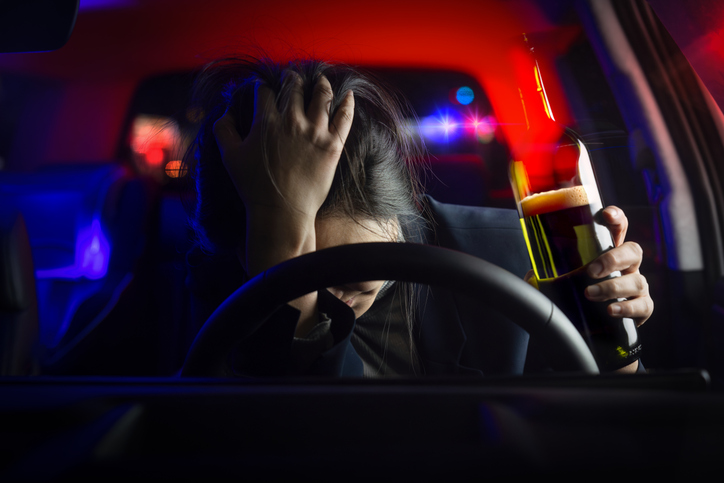
DUI arrests occur every day across Chicago and throughout Cook County. Law enforcement agencies rely heavily on officer observations, field sobriety testing, and chemical testing to support DUI allegations. However, modern DUI investigations increasingly involve video evidence from police body cameras, dashboard cameras, surveillance systems, and even civilian cellphone recordings. For individuals charged with driving under the influence in Chicago, video evidence can sometimes contradict officer claims and significantly strengthen the defense.
Illinois law governs DUI charges under 625 ILCS 5/11-501. This statute makes it unlawful to drive or be in actual physical control of a vehicle while under the influence of alcohol, drugs, or a combination of substances. In many first-time cases, DUI is charged as a Class A misdemeanor. A Class A misdemeanor in Illinois can result in up to 364 days in jail, fines, court supervision, mandatory alcohol education, and license consequences. However, certain aggravating circumstances can elevate DUI to a felony. Aggravated DUI charges may arise when a driver has prior DUI convictions, drives on a suspended license, causes bodily harm, or has a minor passenger in the vehicle.
Chicago prosecutors treat DUI charges seriously, especially when accidents occur or when aggravating factors are alleged. Video evidence frequently plays a central role in these cases. Police officers often rely on body camera footage and dashboard camera recordings to document traffic stops, field sobriety tests, and arrests. These recordings sometimes support the officer’s report, but in other situations, they reveal inconsistencies that can help the defense.
Illinois criminal law distinguishes between misdemeanor and felony offenses. DUI cases can fall into either category depending on the facts. A misdemeanor DUI may still carry serious consequences, including license suspension and a criminal record. Felony DUI charges may result in prison exposure and extended license revocation periods. Because of these risks, individuals charged with DUI in Chicago often seek legal representation to analyze all available evidence, including video recordings.
In addition to state charges, certain DUI incidents may involve federal jurisdiction. For example, incidents occurring on federal property or involving federal investigations can lead to federal DUI charges. A Chicago criminal defense attorney must be prepared to analyze both state and federal exposure where applicable.
Understanding how video evidence is used in DUI cases is critical for anyone facing charges in Cook County or surrounding counties.
How DUI Investigations Begin and How Video Evidence Becomes Important
DUI cases in Chicago typically begin with a traffic stop. Officers may claim they observed weaving, speeding, improper lane usage, or other driving behavior suggesting impairment. After initiating the stop, officers usually approach the vehicle and begin observing the driver’s speech, movements, and physical condition.
Most Chicago police vehicles are equipped with dashboard cameras, and officers frequently wear body cameras. These devices capture the interaction between the officer and driver. Video evidence often documents whether the driver appeared impaired, whether instructions were clearly given, and whether field sobriety tests were conducted properly.
After initial contact, officers may ask the driver to exit the vehicle and perform field sobriety tests. These tests commonly include walk-and-turn, one-leg stand, and horizontal gaze nystagmus evaluations. Officers then form opinions regarding impairment based on performance. Video recordings of these tests can become crucial evidence. In some cases, the footage shows a driver performing adequately, contradicting the officer’s written report.
Consider a realistic fictional example in the Lakeview neighborhood. A driver is stopped late at night after allegedly drifting within a lane. The officer claims the driver displayed signs of impairment and failed field sobriety tests. Body camera footage later reveals that the driver maintained balance, followed instructions, and showed minimal signs of impairment. A Chicago DUI defense lawyer reviews the video and challenges the officer’s conclusions. This type of evidence can significantly influence negotiations or trial outcomes.
Investigations often continue after arrest. Police may collect breath test results, blood samples, and additional video footage from nearby surveillance cameras. Defense counsel reviews all evidence to determine whether inconsistencies exist.
Video evidence can also capture procedural errors. If officers fail to follow proper testing protocols or give unclear instructions, the defense may challenge the reliability of the investigation.
Illinois DUI Penalties and How Video Evidence Impacts the Defense Strategy
DUI penalties in Illinois vary depending on the circumstances. A first-time DUI offense is typically a Class A misdemeanor. Penalties may include jail exposure, fines, alcohol education programs, and license suspension. Administrative license suspension often occurs under Illinois implied consent law, which governs chemical testing refusal or failure.
Aggravated DUI charges can elevate the offense to a felony. Illinois law recognizes several aggravating factors, including prior DUI convictions, driving while license suspended, or causing injury. Felony DUI convictions may carry prison exposure and extended license revocation.
Video evidence often plays a major role in defending these cases. If video footage contradicts officer testimony, the defense may challenge probable cause for the arrest. Without probable cause, certain evidence may be suppressed. This can weaken the prosecution’s case significantly.
The Illinois criminal trial process begins after charges are filed. The defendant appears for arraignment, and discovery is exchanged. Defense counsel reviews police reports, breath test results, and video recordings. Pretrial motions may challenge the legality of the stop, arrest, or testing procedures.
If the case proceeds to trial, prosecutors must prove impairment beyond a reasonable doubt. Video evidence may be presented to jurors. When video footage contradicts officer testimony, jurors often find reasonable doubt.
A Chicago DUI defense attorney carefully analyzes each stage of the process. Video evidence can influence negotiations, motions, and trial strategy.
Types of Video Evidence Used in Chicago DUI Cases
Law enforcement agencies in Chicago use several forms of video evidence. Dashboard cameras capture driving behavior and traffic stops. Body cameras record interactions between officers and drivers. Police station cameras may record booking procedures.
Surveillance cameras from nearby businesses may capture driving behavior before the stop. Cellphone videos recorded by passengers or bystanders may also be relevant.
Each type of video evidence must be reviewed carefully. Camera angles, lighting conditions, and audio quality can affect interpretation. Defense attorneys analyze these factors when building a defense.
Video evidence sometimes reveals that drivers were cooperative and not impaired. It may show stable walking, clear speech, and appropriate responses. These observations can challenge officer conclusions.
Why You Need a Chicago DUI Defense Attorney
A criminal defense attorney plays a crucial role in reviewing video evidence and identifying weaknesses. Without legal representation, defendants may not obtain all available footage. Attorneys can request evidence through discovery and subpoena procedures.
Early representation also helps preserve video recordings. Some systems automatically overwrite footage after a period of time. Prompt legal action ensures that critical evidence is not lost.
When selecting a Chicago criminal defense attorney, individuals should look for courtroom experience, familiarity with DUI law, and knowledge of video analysis. During a consultation, potential clients should ask how video evidence will be reviewed and used.
Chicago DUI FAQ About Video Evidence and DUI Defense
Many individuals charged with DUI in Chicago ask whether video evidence can help their case. In many situations, video recordings provide an objective view of events. If the footage contradicts officer testimony, it can strengthen the defense.
Another common question involves whether all traffic stops are recorded. While many police vehicles and officers use cameras, not every interaction is recorded. Defense attorneys request all available footage to determine whether video exists.
Drivers often ask whether video evidence can lead to dismissal. While dismissal depends on the facts, video evidence that undermines the prosecution’s case can improve the chances of favorable outcomes.
Many defendants also ask whether they should request video themselves. Attorneys typically handle this process through formal discovery requests.
Why Choose The Law Offices of David L. Freidberg
The Law Offices of David L. Freidberg represents individuals charged with DUI throughout Chicago and surrounding counties. The firm carefully reviews video evidence, challenges officer testimony, and develops strategic defenses.
Clients benefit from direct attorney involvement and experience handling DUI cases in Cook County courts.
If you’re facing criminal charges in Chicago, Cook County, or surrounding areas like DuPage County, Lake County, or Will County, don’t wait. Criminal cases require aggressive and immediate legal action. I’ve defended clients across Illinois in situations just like yours—and helped them beat serious charges.
If you are under investigation or have been charged with a crime in Chicago or anywhere in Illinois, contact The Law Offices of David L. Freidberg immediately. We offer free consultations 24/7. We’re available 24 hours a day, 7 days a week. Contact us today at (312) 560-7100 or toll-free at (800) 803-1442 for a free consultation. Your future is worth fighting for. We’ll stand with you—and we’ll fight to protect your freedom from the very first call. Early legal representation can make the difference between indictment and defense.
📞 Call (312) 560-7100 or toll-free at (800) 803-1442.
📍Serving Chicago, Cook County, DuPage County, Will County, and Lake County, Illinois.