

I Don’t Know What I Would
Have Done Without Him...
How Long Do I Have to Challenge a DUI License Suspension in Chicago, Illinois?
A DUI Arrest in Chicago Starts More Than Just a Criminal Case
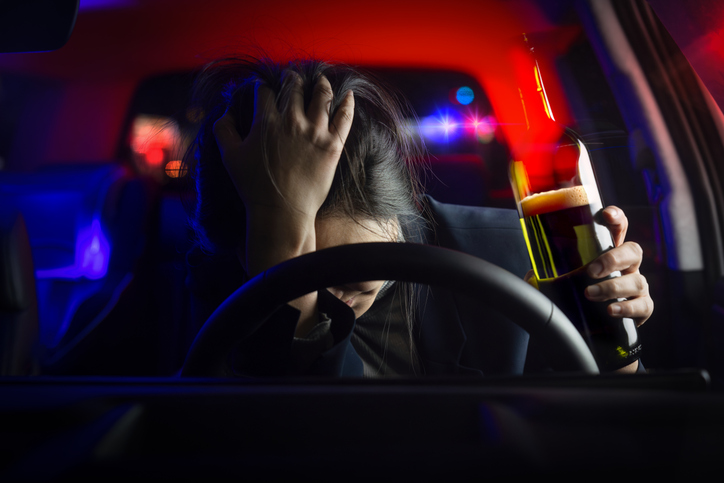
Getting arrested for DUI in Chicago sets two processes into motion: the criminal case, and the license suspensionimposed by the Illinois Secretary of State. Most people don’t realize that the clock on their license suspension starts ticking long before their court date. In fact, if you wait too long, you may lose your license automatically—even if you eventually win your criminal case.
As a longtime Chicago DUI lawyer, I’ve helped drivers from neighborhoods across the city—from Lakeview and Pilsen to Garfield Ridge and Andersonville—challenge these suspensions before it’s too late. In Illinois, the moment you’re arrested for DUI, you’re facing a statutory summary suspension of your driving privileges. That’s separate from the DUI criminal charge and carries its own deadlines, procedures, and consequences.
Under Illinois law, most criminal offenses are classified as either misdemeanors or felonies. DUI can fall into either category depending on your prior record and the circumstances of your arrest. But even a first-time, misdemeanor DUI will trigger an automatic suspension of your license unless you take the right legal action—fast.
The most common mistake people make after a DUI arrest in Chicago is waiting for the court to notify them about what to do next. Unfortunately, if you wait even 31 days, it’s already too late to stop the license suspension.
Understanding Statutory Summary Suspension and the 46-Day Countdown
In Illinois, every DUI arrest triggers a civil penalty called a statutory summary suspension. This is not part of your criminal case. It’s an administrative action taken by the Secretary of State to suspend your license either because:
- You refused to submit to chemical testing, or
- You failed a breath, blood, or urine test (with a BAC of 0.08 or higher, or presence of certain drugs)
This license suspension begins 46 days after your arrest, regardless of your guilt or innocence in the criminal matter.
Here’s where it gets serious. To fight the suspension, you must file a Petition to Rescind the summary suspension within 90 days of your arrest, but the timing of that filing determines whether we can stop the suspension before it takes effect.
If the petition is filed within 30 days of your arrest, we can request a stay of the suspension and push for a hearing within 30 days. That means you could keep driving legally until the court rules on your petition. If you wait past that deadline, your license will be suspended on day 46, and you’ll have to fight to restore it—while not being able to drive.
As a Chicago criminal defense lawyer, I file these petitions quickly and request immediate hearings for clients who qualify. That’s why contacting an attorney right after your arrest matters. Every day you wait increases the risk that your suspension will go into effect and stay on your record.
Under 625 ILCS 5/2-118.1, you have the right to challenge a summary suspension on several grounds, including:
- You were not properly warned (no “Warning to Motorist” given)
- There was no probable cause for the DUI arrest
- You were not actually driving or in control of the vehicle
- The breath or blood test was invalid
- You didn’t actually refuse testing
If we succeed at the hearing, the judge rescinds the suspension, and the Secretary of State is notified to reinstate your license. But that only happens if the petition is filed correctly and supported with strong evidence.
DUI Arrest Process and License Suspension: How Criminal Cases Begin in Chicago
Every DUI arrest in Chicago starts with a traffic stop, roadside checkpoint, or accident scene investigation. Police officers look for signs of impairment—slurred speech, bloodshot eyes, odor of alcohol—and ask drivers to perform field sobriety tests. If the officer believes you’re impaired, they may request a preliminary breath test, and then make an arrest based on the totality of their observations.
Once you’re in custody, you’re asked to submit to chemical testing—either a breathalyzer at the station or blood/urine at a hospital. If you refuse, or fail, this test, the arresting officer sends a sworn report (a “Notice of Statutory Summary Suspension”) to the Illinois Secretary of State.
The criminal charge—a misdemeanor or felony—begins with formal filing by the Cook County State’s Attorney. Misdemeanor DUI under 625 ILCS 5/11-501(a) applies to first and second offenses with no aggravating factors. Felony (aggravated) DUI applies when you have prior DUIs, caused injury, had a suspended license, or had a child under 16 in the vehicle.
But before the criminal case even reaches court, the license suspension is already scheduled to begin unless you take fast legal action.
By hiring a DUI defense lawyer in Chicago early, you can challenge both the criminal charge and the suspension in parallel. In many cases, we’re able to suppress unlawful stops, challenge testing procedures, or show that proper warnings weren’t given. These defenses matter both in court and at the license hearing.
Fictional DUI Case Example: How a Chicago Driver Beat the Suspension
Let’s consider a realistic case based on what happens every week in a neighborhood like Lincoln Square. A man is pulled over late at night for a broken taillight. The officer claims the driver was slow to respond and had glassy eyes. He’s asked to step out, performs the field sobriety tests, and is arrested.
At the station, he agrees to take a breathalyzer. The result comes back as 0.09—barely over the limit. He’s issued a notice of statutory summary suspension and released with a court date.
He contacts my office the next morning. Because he reached out early, we’re able to file a Petition to Rescind the same week and request a hearing within 30 days. At the hearing, we present dashcam video showing that the stop was not for a broken taillight—the light was working. The officer had no legal reason to stop the vehicle, which means everything after the stop is subject to suppression.
The judge agrees. The suspension is rescinded, and his license is not suspended. This would not have happened if he waited 40 days before calling a lawyer.
This is why immediate legal representation after a DUI arrest in Chicago isn’t optional—it’s necessary.
Types of Evidence Collected and Why Early Legal Action Matters
In both the criminal and license suspension processes, law enforcement and prosecutors rely on evidence including:
- Police reports and sworn statements
- Dashcam and bodycam footage
- Field sobriety test results
- Breathalyzer logs and maintenance records
- Medical blood/urine test results
- Witness statements
- Driving behavior prior to stop
At a summary suspension hearing, these same documents are the foundation of the state’s case. But they can also be their downfall. If testing machines weren’t properly calibrated, if bodycam footage contradicts the officer’s testimony, or if you were never given the proper warnings, we can challenge the suspension—and often win.
A Chicago DUI attorney begins building the case by demanding these records immediately and subpoenaing video before it’s lost or overwritten. Without this, you’re left at a disadvantage, and the court only hears the officer’s version of events.
The earlier you involve an attorney, the stronger your challenge becomes.
Legal Defenses and the Criminal Trial Process in Illinois
DUI defenses in Illinois depend on the facts, but common strategies include:
- Challenging the legality of the traffic stop
- Showing improper administration of field sobriety tests
- Demonstrating that breathalyzer machines were not calibrated
- Proving the test results are affected by medical issues (diabetes, GERD, etc.)
- Arguing that the defendant was not in actual physical control of the vehicle
- Highlighting police misconduct or due process violations
The criminal process includes:
- Arraignment, where you enter a plea
- Pretrial discovery, where we receive all reports and evidence
- Motion hearings, to suppress unlawful evidence
- Negotiation, where a plea deal or supervision may be discussed
- Trial, where we contest the state’s case before a judge or jury
Whether you go to trial or not, your defense starts the day of arrest. Every motion filed, every witness challenged, and every piece of video reviewed plays a role in protecting your license and record.
Choosing the Right DUI Defense Attorney in Chicago
Not every lawyer handles DUI cases. You want a Chicago DUI lawyer who knows how both the criminal courts and the Secretary of State’s administrative hearings work. Look for someone who:
- Regularly practices in Cook County criminal courts
- Understands statutory summary suspension rules
- Reviews video, not just reports
- Can challenge breathalyzer accuracy and field sobriety tests
- Provides clear answers and direct communication
During your free consultation, ask:
- How many DUI cases like mine have you handled?
- Can you stop my license suspension before it begins?
- Will you personally handle my case?
- What are my chances of beating the suspension?
- Will you review the officer’s bodycam or breath test records?
Hiring the right attorney isn’t just about court—it’s about defending your driving privileges, your record, and your reputation.
Chicago DUI and Criminal Defense FAQs
Can I drive while my DUI case is pending in Chicago?
Yes, but only under specific conditions. If you file your petition to rescind the summary suspension within 30 days of arrest, your Chicago DUI lawyer can request a stay, allowing you to keep driving legally while the hearing is pending. If you don’t act quickly, your license will be suspended on day 46 automatically.
Does beating the DUI in court automatically remove my license suspension?
No. The statutory summary suspension is a separate civil process. Even if you’re found not guilty of DUI in court, your license may still be suspended unless your Chicago criminal defense lawyer successfully rescinds the suspension in the administrative hearing.
What if I refused the breath test during a DUI stop in Chicago?
Refusing chemical testing results in a one-year suspension for a first offense, and three years for a second offense. But you still have the right to challenge the suspension. A DUI lawyer in Chicago can file a petition showing that you were not properly warned or that the officer lacked probable cause.
Can I get a hardship license if my DUI suspension goes into effect?
Yes. You may be eligible for a Monitoring Device Driving Permit (MDDP) if you’re a first offender and install a BAIID device in your vehicle. But this option disappears if you wait too long to act or have prior DUIs on your record.
How long does the license suspension last for a DUI in Illinois?
For a failed breath test, the suspension is 6 months (first offense) or 12 months (second offense). For a refusal, it’s 12 months or 36 months, respectively. Your Chicago criminal attorney can help reduce this time or rescind it entirely if proper legal procedures weren’t followed.
Will a statutory summary suspension show up on my driving record?
Yes, even if the criminal DUI charge is dismissed. That’s why it’s so important to challenge the suspension separatelyand have it rescinded in court.
What if I miss the 30-day deadline to file the petition to rescind?
You can still file within 90 days, but you may not be able to stay the suspension. That means your license will be suspended on day 46 no matter what. The earlier you contact a Chicago DUI lawyer, the better chance you have to preserve your driving privileges.
Why You Need a Lawyer and Why You Should Call The Law Offices of David L. Freidberg
A DUI arrest isn’t just a traffic matter—it’s a criminal case with serious civil consequences. Without the right legal strategy, you could lose your license, your job, and your clean record. The process starts fast. Evidence gets lost. Deadlines pass. You need someone fighting for you immediately.
At The Law Offices of David L. Freidberg, we defend people facing DUI charges across Chicago, Cook County, DuPage County, Will County, and Lake County. We don’t wait for the court date—we take immediate steps to protect your license and your future.
Call The Law Offices of David L. Freidberg – Free Consultation 24/7
If you were arrested for DUI in Chicago, call me right now. You only have a short window to stop your license from being suspended. The longer you wait, the more difficult your case becomes.
When You Need a Fighter, Call Us!
Whether you’re charged in downtown Chicago, Skokie, Maywood, Bridgeview, or Rolling Meadows, we’re ready. We appear regularly in courtrooms throughout Cook, DuPage, Will, and Lake Counties. And we don’t treat aggravated speeding as just another moving violation.
If you were arrested in Chicago, protect your future by contacting The Law Offices of David L. Freidberg. We have decades of experience handling DUI cases in Illinois. Our firm is available 24/7 to provide the legal defense you deserve.
Contact us today at (312) 560-7100 or toll-free at (800) 803-1442 for a free consultation. We’re available 24/7 to serve clients throughout Illinois, Cook County, DuPage County, Will County, and Lake County.