

I Don’t Know What I Would
Have Done Without Him...
How Does a DUI in My Personal Car Affect My CDL in Illinois?
Understanding the Stakes for CDL Drivers in Chicago
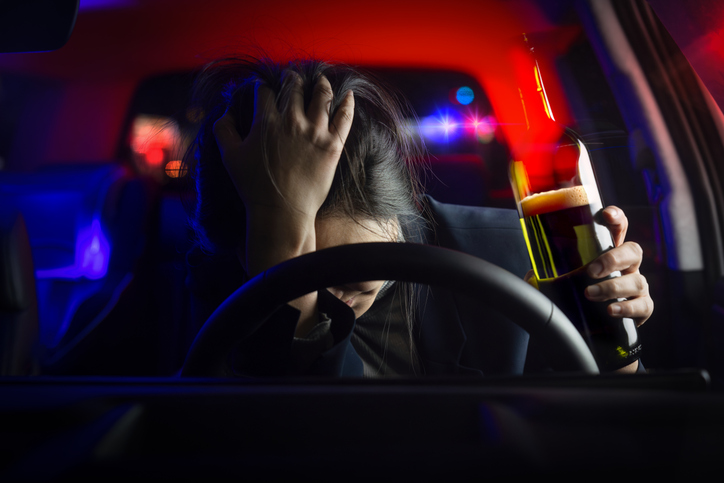
In Chicago, a DUI arrest affects far more than your reputation—it threatens your livelihood if you hold a Commercial Driver’s License (CDL). Illinois law applies the same DUI standards whether you’re driving a passenger car through Lakeview or operating a tractor-trailer down the Dan Ryan. However, the professional consequences for a CDL holder are far more severe. At The Law Offices of David L. Freidberg, P.C., our Chicago criminal defense lawyers represent commercial drivers facing DUI charges, driver’s license suspensions, and disqualifications that could end their careers.
Illinois defines DUI under 625 ILCS 5/11-501, making it unlawful to operate a motor vehicle with a blood-alcohol concentration (BAC) of 0.08 or higher, or under the influence of alcohol, drugs, or any intoxicating compound to a degree that impairs safe driving. But CDL holders are held to an even stricter federal standard of 0.04 BAC when operating a commercial vehicle under 49 CFR § 383.51.
A first-time DUI in a personal car is typically charged as a Class A misdemeanor, punishable by up to 364 days in jail, fines up to $2,500, and a license suspension. If someone is injured or killed, or if there are prior convictions, the offense can be elevated to a Class 4 felony or higher under 625 ILCS 5/11-501(d). Even if your arrest occurs in your private vehicle, the Illinois Secretary of State will disqualify your CDL for one year after a DUI conviction or statutory summary suspension. A second DUI results in a lifetime disqualification.
Chicago’s commercial drivers—whether hauling freight through McCormick Place or driving CTA buses—depend on maintaining a clean driving record. That’s why understanding every phase of the DUI process, from investigation to trial, is critical.
How a DUI Investigation and Arrest Unfolds in Illinois
Most DUI cases in Illinois begin with a traffic stop based on an alleged violation such as improper lane use or speeding. In neighborhoods like Garfield Ridge or Bridgeport, police often claim to observe erratic driving or the odor of alcohol. Officers may conduct field sobriety tests or request a breath or blood sample. Under the state’s implied consent law (625 ILCS 5/11-501.1), refusing chemical testing triggers an automatic statutory summary suspension of your driving privileges—12 months for a first refusal and 36 months for a subsequent refusal.
Once arrested, you’ll be taken to a district station or central lockup, fingerprinted, photographed, and given a court date. The Illinois Secretary of State will later send written notice of the suspension, which begins 46 days after arrest unless you request a Statutory Summary Suspension Hearing within 90 days. Our office routinely files these petitions to challenge the legality of the stop, the testing process, and officer compliance with procedural requirements.
Evidence collected by law enforcement may include body-cam or dash-cam footage, field sobriety test results, breathalyzer maintenance records, officer testimony, and any statements you allegedly made. A skilled Chicago DUI attorney knows how to expose weaknesses in each category. We often find procedural violations, faulty equipment, or inaccurate observations that undermine the prosecution’s case.
Example Case: A CDL Driver Stopped in Jefferson Park
A realistic example involves a commercial truck driver who lived in Jefferson Park and was stopped late at night while driving his personal pickup. The officer alleged he crossed the center line. After submitting to a portable breath test showing 0.09 BAC, he was arrested and charged under 625 ILCS 5/11-501. Our defense strategy focused on the officer’s failure to calibrate the testing device and inconsistencies in his body-cam footage. Through aggressive cross-examination, we persuaded the judge to suppress the breath test results. The case was ultimately dismissed, saving the client’s CDL and employment.
This example underscores why early intervention by an experienced criminal defense lawyer is essential. The outcome often hinges on identifying flaws in evidence before the first pre-trial conference.
The Illinois Criminal Trial Defense Process
After a DUI arrest, the case begins in Cook County Circuit Court, typically at the Daley Center or a suburban branch. The first appearance involves bond conditions and scheduling a preliminary hearing. The prosecution must show probable cause that a DUI occurred. If the court finds sufficient grounds, the case proceeds to arraignment, where formal charges are entered, and the defendant enters a plea of guilty or not guilty.
During pre-trial discovery, both sides exchange evidence. Defense attorneys review police reports, breathalyzer maintenance logs, and witness statements, often filing motions to suppress or dismiss charges based on constitutional violations. Many DUI cases resolve through negotiated pleas, but when necessary, we proceed to bench or jury trial.
At trial, prosecutors must prove guilt beyond a reasonable doubt. We challenge every assumption—questioning field sobriety test reliability, cross-examining officers on training deficiencies, and presenting defense witnesses who observed the driver as sober. If the judge or jury finds reasonable doubt, an acquittal follows, and the driver’s record remains clean.
Penalties and Collateral Consequences for CDL Holders
A DUI conviction in Illinois carries serious penalties, even for a first offense. Under 625 ILCS 5/6-205(a)(2) and 625 ILCS 5/6-208.1, the Secretary of State imposes mandatory license suspensions and disqualifications:
• First DUI conviction: One-year CDL disqualification
• Second DUI conviction: Lifetime CDL disqualification (may be reduced to 10 years under limited circumstances)
• Refusal to submit to testing: One-year disqualification even if case dismissed
• BAC ≥ 0.04 in a commercial vehicle: Immediate out-of-service order for 24 hours
Beyond license loss, convictions appear on your criminal record, raising insurance rates and disqualifying you from employment requiring a clean driving history. Some employers terminate drivers immediately upon arrest, even before conviction. Additional penalties may include probation, community service, mandatory alcohol evaluation, or installation of an ignition interlock device.
Our office routinely defends commercial drivers throughout Chicago, Oak Lawn, Des Plaines, Cicero, and Skokie who face CDL suspensions. Each case demands fast action to preserve employment and challenge evidence before deadlines expire.
Why You Need a Criminal Defense Attorney at Every Stage
From the moment of arrest, every decision affects your future. Without legal counsel, you may unknowingly waive critical defenses or fail to contest procedural errors. An experienced Chicago criminal defense lawyer evaluates whether the officer had probable cause to initiate the stop, whether field sobriety tests were properly administered, and whether chemical testing complied with Illinois Department of Public Health standards.
Our defense team handles all filings, discovery requests, and negotiations with prosecutors. We appear at every hearing, advocate for restricted driving permits, and pursue dismissal or reduction of charges. A seasoned attorney also protects your Fifth Amendment rights during questioning and ensures that any evidence obtained in violation of those rights is suppressed.
CDL cases require additional attention to federal disqualification rules and employer-reporting requirements. Attempting to fight these cases alone almost guarantees an adverse outcome. A private attorney ensures you’re fighting on equal footing against prosecutors who handle hundreds of DUI cases monthly.
Common Defenses in Illinois DUI and CDL Cases
Every DUI defense is case-specific, but common strategies include:
• Challenging the validity of the traffic stop or probable cause
• Attacking the accuracy and calibration of breath testing devices
• Arguing improper field sobriety test administration
• Presenting medical conditions that mimic intoxication symptoms
• Suppressing statements made without Miranda warnings
• Questioning the chain of custody for blood samples
Our law firm also explores alternative resolutions such as court supervision or deferred prosecution programs, when available, to protect both your personal license and your CDL. In some cases, we help clients secure limited driving relief under the Monitoring Device Driving Permit (MDDP) program.
What to Look for in a Chicago Criminal Defense Lawyer
When your livelihood depends on keeping a CDL, you need representation from a lawyer with courtroom experience in Illinois DUI and commercial-driver cases. Look for a defense attorney who regularly practices in Cook County Courts, understands both state and federal motor-carrier regulations, and has a proven record of achieving dismissals and not-guilty verdicts.
Communication is another key quality. Your attorney should explain each phase of the case in plain language and promptly respond to your questions. Effective defense requires familiarity with local prosecutors, judges, and police procedures—advantages that only a long-established Chicago criminal lawyer can provide.
Questions to Ask During Your Free Consultation
When you call to schedule your consultation, ask:
– How many DUI and CDL-related cases have you handled in Cook County?
– What defense strategies do you see working most often for CDL drivers?
– Will you personally handle my case or assign it to another attorney?
– What are the possible plea options or diversion programs available?
– How will you communicate updates on court dates and filings?
These questions help you gauge an attorney’s experience, dedication, and familiarity with the complex interaction between Illinois criminal law and federal commercial-driver regulations.
Why CDL Holders Need Legal Representation Immediately
CDL drivers face zero margin for error. A single mistake behind the wheel of your personal car can destroy your professional driving career. Prosecutors and judges rarely grant leniency simply because you weren’t operating a commercial vehicle. Without an attorney, you risk permanent disqualification and financial devastation.
At The Law Offices of David L. Freidberg, P.C., our attorneys understand the high stakes. We intervene immediately to protect your license, file all necessary hearings, and challenge every aspect of the state’s evidence. Defendants who attempt self-representation often miss filing deadlines or fail to contest disqualifications that could have been avoided.
Illinois DUI Defense FAQs
Can a CDL holder get court supervision for a DUI in Illinois?
Illinois prohibits CDL holders from receiving court supervision for any DUI offense, even if it occurs in a personal vehicle. Federal regulations classify supervision as a conviction for CDL purposes. Therefore, supervision still triggers a one-year disqualification.
What happens if I refuse a breath test?
Refusing testing results in an automatic license suspension under implied consent laws and counts as a disqualifying event for CDL drivers. Even if your criminal case is later dismissed, the Secretary of State will still disqualify your CDL for one year.
Can I drive for work during the suspension period?
You may apply for a restricted permit (RDP) for personal driving, but CDL operation remains prohibited during the disqualification period. Federal regulations do not permit hardship or occupational relief for commercial operation.
Will a DUI in another state affect my Illinois CDL?
Yes. Illinois participates in the Driver License Compact, which shares conviction data nationwide. A DUI conviction or refusal reported by another state will result in an identical disqualification from the Illinois Secretary of State.
How long does a DUI stay on my record?
A DUI conviction remains permanently on your driving record in Illinois. It cannot be expunged or sealed. The only exception involves a complete dismissal or not-guilty verdict, which may later qualify for expungement under 20 ILCS 2630/5.2.
Can I get my CDL reinstated after a lifetime disqualification?
Possibly, after 10 years, if you demonstrate rehabilitation and no further alcohol-related incidents. However, reinstatement is discretionary, and applications must comply with both state and federal conditions.
What should I do immediately after arrest?
Do not discuss your case with police or prosecutors. Contact a Chicago DUI lawyer immediately to request a summary suspension hearing and preserve evidence. Prompt action often determines whether your license and employment can be saved.
Why choose The Law Offices of David L. Freidberg?
Because we understand both the legal and practical realities of defending commercial drivers. Our firm has decades of courtroom experience across Cook, DuPage, Will, and Lake Counties. We handle every phase personally and remain available 24/7 for urgent calls.
Call The Law Offices of David L. Freidberg Now
A DUI in your personal car can end your professional driving career if not handled correctly. Protect your license, your income, and your future. The Law Offices of David L. Freidberg offers free confidential consultations 24/7 to CDL drivers throughout Chicago and the surrounding counties.
When You Need a Fighter, Call Us!
If you were arrested in Chicago, protect your future by contacting The Law Offices of David L. Freidberg. We have decades of experience handling criminal, DUI, and traffic cases in Illinois. Our firm is available 24/7 to provide the legal defense you deserve.
Contact us today at (312) 560-7100 or toll-free at (800) 803-1442 for a free consultation. We’re available 24/7 to serve clients throughout Illinois, Cook County, DuPage County, Will County, and Lake County.