

I Don’t Know What I Would
Have Done Without Him...
Does Winning the Suspension Hearing Mean My DUI Is Dismissed?
Understanding Chicago DUI Cases And The Difference Between License Suspension Hearings And Criminal DUI Charges
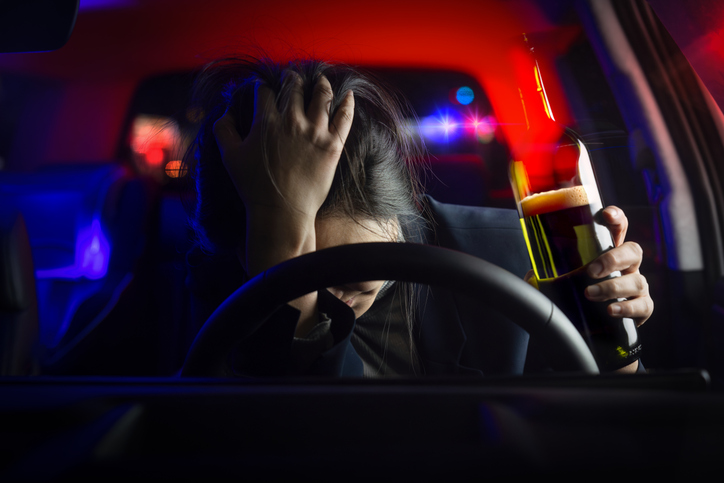
Chicago is one of the busiest legal jurisdictions in the country. Police patrol high‑traffic corridors such as Lake Shore Drive, the Kennedy Expressway, and neighborhood streets in areas like Uptown, Logan Square, and South Chicago. DUI arrests occur every day, and many drivers find themselves facing both court dates and license suspension hearings almost immediately. One of the most common questions I hear as a Chicago DUI lawyer is whether winning the driver’s license suspension hearing means the entire DUI case goes away. The short answer is no. Winning the suspension hearing is important, but it does not automatically dismiss the criminal DUI case. These are separate legal proceedings governed by different laws and different standards of proof.
Illinois criminal law places every offense into one of two categories: misdemeanor or felony. That applies to DUI as well as other crimes. Misdemeanors are punishable by less than one year in jail. Felonies carry potential prison sentences of one year or more, often with significant collateral consequences. Illinois DUI law is primarily found in 625 ILCS 5/11‑501, while the statutory summary suspension process is governed by 625 ILCS 5/2‑118.1. The suspension hearing focuses on whether your driver’s license will be suspended by the Secretary of State following your arrest. The criminal DUI case determines whether you are found guilty of a misdemeanor or felony crime.
Understanding Chicago itself matters because courts here move quickly. Arrests in Chicago may be heard at courthouses such as 26th and California, the Daley Center, Skokie, Bridgeview, or Rolling Meadows depending on where the alleged offense occurred. Each courthouse has its own judges and prosecutors, and each treats DUI cases seriously. A Chicago criminal defense lawyer must be prepared to defend both the suspension case and the criminal case at the same time. These run side‑by‑side, not as one single action.
When a person is arrested for DUI, it begins a series of legal consequences. First is the statutory summary suspension based on chemical test results or refusal. Second is the criminal prosecution for DUI. These proceedings can impact one another, and sometimes evidence from one hearing is used in the other, but winning one does not automatically control the other. A dismissal of suspension does not equal dismissal of the DUI charge. A comprehensive defense requires fighting both.
How Illinois DUI Cases Begin, How Police Investigate, And What Happens At A Suspension Hearing
Every criminal case in Illinois begins with an allegation and then an investigation. In DUI cases, police typically initiate contact through a traffic stop, roadside safety check, or report of erratic driving. Officers are trained to look for slurred speech, glassy eyes, odor of alcohol, poor coordination, or admissions of drinking. They may ask the driver to perform standardized field sobriety tests. These tests include balance tasks and eye‑movement evaluations. Officers then may request a breath test, blood test, or urine test. Refusal leads to automatic license consequences under implied consent law.
Once an arrest is made, the person is taken to the police station, fingerprinted, processed, and given notice of the statutory summary suspension. This suspension begins automatically on the 46th day after arrest unless a petition to rescind is filed and granted. That petition creates the suspension hearing. At that hearing, issues such as whether the officer had reasonable grounds to stop the vehicle, probable cause to arrest, and whether proper warnings were read are all examined.
The criminal case proceeds separately. A prosecutor files DUI charges under 625 ILCS 5/11‑501. A first DUI is generally a Class A misdemeanor unless aggravating circumstances exist. Aggravating circumstances can include prior DUI convictions, driving on a revoked or suspended license, serious injury or death, or having a minor passenger. Those cases may be charged as felonies. Penalties can include jail or prison, fines, probation, mandatory alcohol evaluation and treatment, community service, vehicle forfeiture in some situations, and license revocation.
Law enforcement tries to collect many forms of evidence. Officers gather written police reports, dash‑cam video, body‑camera video, breath test results, blood or urine analysis, witness statements, accident reconstruction data when applicable, and admissions allegedly made by the driver. The state attempts to use all of this at trial. A Chicago DUI attorney must analyze each element for errors and constitutional violations.
Winning the suspension hearing simply means the court has ruled that your driving privileges should not be suspended based on one of the statutory grounds. That could result from lack of probable cause, failure to issue proper warnings, improper testing, or officer non‑appearance. However, the criminal case involves different issues such as impairment, blood alcohol level, and admissibility of evidence at trial. A person can win the suspension hearing and still face prosecution and potential conviction for DUI. Conversely, a person can lose the suspension hearing yet later win the criminal DUI case at trial.
The Criminal Trial Process In Illinois And Why The Suspension Hearing Alone Does Not End Your Case
The criminal trial defense process in Illinois follows stages that are distinct from the suspension hearing. After arrest, an initial appearance or bond court occurs, where conditions of release are set. The defendant then appears for arraignment where charges are read. Discovery is exchanged, meaning the state must tender reports, videos, chemical records, and other materials. Motions are filed, including motions to suppress evidence or quash arrest. Hearings on those motions may significantly affect the case.
If the case is not resolved by negotiation, it proceeds to trial. A jury or judge determines whether the prosecution has proven guilt beyond a reasonable doubt. That burden is higher than the standard used in the suspension hearing. At trial, the state must establish operation of the vehicle, impairment or alcohol concentration over the legal limit, and compliance with evidentiary rules. Defense counsel cross‑examines officers and witnesses, challenges breath machine reliability, raises issues about medical conditions, and attacks unlawful stops.
Winning the suspension hearing does not dismiss the criminal DUI case because the hearing uses a different legal standard and focuses on the administrative license suspension. The trial resolves whether you are guilty of a criminal offense. Prosecutors will often proceed even when suspension is rescinded. Judges treat the suspension decision as informative but not controlling. Your record is not cleared automatically simply because your license is reinstated.
Penalties for conviction vary. A first DUI misdemeanor may lead to jail time, probation, fines, community service, and revocation of driving privileges. A felony aggravated DUI may include multi‑year prison terms. Other consequences include increased insurance costs, ignition interlock device requirements, inability to seal or expunge a DUI conviction in most situations, immigration problems for non‑citizens, and negative employment impact. Therefore, even after a win at the suspension hearing, the criminal case must be defended aggressively.
A realistic fictional example helps illustrate this. Consider a stop in the Pilsen neighborhood. A driver is pulled over for improper lane usage. The officer claims to smell alcohol and performs field sobriety tests. The driver refuses the breath test. The defense files a petition to rescind summary suspension arguing that the officer failed to read proper warnings and lacked probable cause to arrest. The judge agrees and rescinds the suspension. However, the state continues pursuing the DUI charge based on observed impairment, video evidence, and officer testimony. The defendant still must defend the criminal charge. Only through further motions and trial strategy is the case later dismissed. The first win alone did not end the case.
Potential Legal Defenses, Benefits Of Hiring Counsel, And How To Choose The Right Chicago Criminal Defense Lawyer
Many potential defenses exist in Illinois DUI and criminal cases. These include unlawful traffic stops without reasonable suspicion, lack of probable cause for arrest, improper administration of field sobriety tests, unreliable breath testing equipment, chain‑of‑custody issues in blood testing, medical conditions mimicking impairment, Miranda rights violations, involuntary statements, and inaccurate officer recollection contradicted by video. Each case depends on details. What happened before the light bar activated on the squad? What did the footage show? Were procedures followed under Illinois State Police regulations?
The benefits of having a criminal defense attorney begin immediately after arrest. A Chicago criminal defense lawyer protects your right to remain silent, handles communication with law enforcement, files the petition to rescind the summary suspension on time, demands evidence, preserves video before it is overwritten, and prepares motion practice. An attorney evaluates plea offers, explains collateral consequences, and prepares your case for trial. Without counsel, deadlines can be missed, defenses waived, and statements made that harm your case.
Qualities to look for in an Illinois criminal defense attorney include courtroom experience in the specific counties where your case is pending, familiarity with Illinois statutes such as 625 ILCS 5/11‑501 and 625 ILCS 5/2‑118.1, a strong motion practice background, willingness to try cases when appropriate, ability to communicate clearly, and availability to answer your questions. You want someone who understands Chicago court culture and Cook County procedures along with DuPage, Will, and Lake County practices.
Questions to ask during a free consultation include whether the attorney personally appears on your case, expected court locations, potential penalties based on your record, strategy for the suspension hearing and criminal case, motion opportunities, how communication will occur, likely timelines, and what you must do to assist in your own defense. Ask about their experience with DUI trials, breath test challenges, and administrative suspension hearings. This gives you clarity about the road ahead and what your lawyer can do.
Chicago Criminal Defense And DUI FAQs
Below are city‑relevant FAQs focused on Illinois law and Chicago court practice. Each answer is written for legal consumers seeking clear, practical guidance.
Does winning my suspension hearing mean my Chicago DUI case is automatically dismissed?
No. Winning the suspension hearing simply means the statutory summary suspension of your license is lifted. The criminal case for DUI remains active unless the prosecutor dismisses it or a judge enters a dismissal or not guilty finding. A Chicago DUI lawyer will fight both cases because they are separate.
Can I still lose my license even if I am found not guilty of DUI in court?
It is possible in some circumstances. The suspension hearing and criminal case are independent. You could win one and lose the other. A Chicago criminal defense lawyer will address both proceedings to protect both your driving privileges and your criminal record.
Where will my DUI case be heard in Chicago?
Cases are commonly heard at courthouses such as 26th and California, the Daley Center, Skokie, Bridgeview, and others depending on arrest location. A Chicago DUI attorney familiar with these courthouses is important.
What types of evidence do Chicago police use in DUI cases?
Officers rely on officer observation, field sobriety tests, breath test results, blood or urine tests, dash‑cam or body‑cam footage, accident reports, and alleged statements. A Chicago criminal defense lawyer reviews each item for accuracy and legality.
Is DUI in Illinois a misdemeanor or a felony?
A first or second DUI without aggravating factors is generally a misdemeanor. DUI becomes a felony when aggravating factors exist such as multiple prior DUIs, injuries, revoked license, or child passengers. A Chicago DUI lawyer analyzes your case classification.
What happens if I miss my court date in Chicago?
A warrant may be issued, and bond forfeiture can occur. It is critical to contact a Chicago criminal defense lawyer immediately to address the situation and request the case be placed back on the call.
Can DUI convictions be expunged in Illinois?
Most DUI convictions cannot be expunged or sealed. This is why defense is so important. Avoiding conviction is key. A Chicago DUI lawyer aims to protect your record wherever possible.
Do police need probable cause to pull me over for DUI?
Police must have reasonable suspicion for a stop and probable cause for arrest. If these are missing, evidence may be suppressed. A Chicago criminal defense attorney can file appropriate motions.
What if the officer failed to read my rights?
Failure to read Miranda warnings may result in suppression of statements made during custodial interrogation. It does not automatically dismiss the case but can significantly weaken it. A Chicago criminal defense lawyer evaluates these issues.
How long will my DUI case in Chicago take?
Case duration varies. Some are resolved in months, others longer depending on motions, discovery, and trial schedules. A Chicago DUI attorney keeps you informed at each stage.
Why You Need An Attorney For Suspension Hearings And DUI Charges And Why To Choose The Law Offices of David L. Freidberg
Defendants facing DUI charges in Chicago often assume that winning the suspension hearing means the case is over. That misunderstanding leads to costly mistakes. The criminal DUI prosecution continues, and the risk of jail, fines, probation, and permanent records remains. The laws are technical, the court process is complex, and prosecutors pursue convictions aggressively.
Trying to handle a DUI or suspension hearing without counsel is a mistake. You face strict deadlines, evidentiary rules, and judges who expect legal arguments. A Chicago DUI lawyer protects your driving privileges while also defending against the criminal charges themselves. The Law Offices of David L. Freidberg offers decades of courtroom experience in Cook County and surrounding counties. We defend clients at every stage from arrest through trial and appeal where appropriate. We treat each client with respect and work to secure the best outcome the facts and law allow.
Why You Need an Attorney and Why You Should Call The Law Offices of David L. Freidberg
DUI charges in Chicago—whether filed as misdemeanors or felonies—carry serious consequences that won’t go away on their own. Weather might explain your driving, but it won’t stop prosecutors from pursuing the case. You need a Chicago DUI attorney who can present evidence, challenge police assumptions, and fight to protect your future.
If you were arrested in Chicago, protect your future by contacting The Law Offices of David L. Freidberg. We have decades of experience handling DUI cases in Illinois. Our firm is available 24/7 to provide the legal defense you deserve.
Contact us today at (312) 560-7100 or toll-free at (800) 803-1442 for a free consultation. We’re available 24/7 to serve clients throughout Illinois, Cook County, DuPage County, Will County, and Lake County.
Don’t gamble with your license, your freedom, or your record.