

I Don’t Know What I Would
Have Done Without Him...
Does My License Get Suspended Automatically After a DUI Arrest in Illinois?
The Reality of DUI Arrests in Chicago: What Happens to Your Driver’s License?
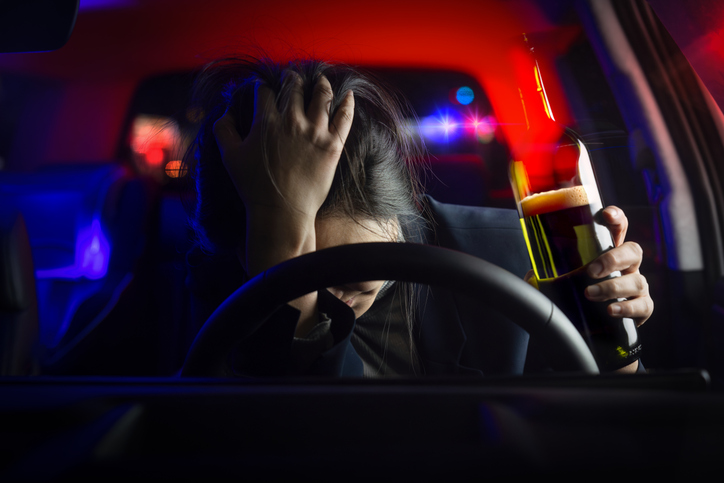
If you were recently arrested for DUI in Chicago, one of the first questions you probably have is whether your driver’s license is automatically suspended. You’re not alone. I’ve defended thousands of people in this city—from Lincoln Square to Little Village—who were pulled over, placed in handcuffs, and had no idea what rights they still had.
Under Illinois law, specifically 625 ILCS 5/11-501.1 and 625 ILCS 5/2-118.1, your license does not get suspended immediately after a DUI arrest. But it will be suspended automatically after 46 days, unless you or your attorney file a Petition to Rescind the Statutory Summary Suspension within 90 days of receiving notice.
This administrative suspension is separate from the criminal DUI charge. It is triggered either by failing a chemical test(blowing .08 or higher) or refusing to take one. The penalties differ:
If you fail the test, your license will be suspended for 6 months (first offense) or 12 months (if you have prior DUI-related suspension in the last five years). If you refuse, the suspension lasts 12 months (first offense) or 36 months for repeat refusals.
Chicago police officers often issue a Notice of Statutory Summary Suspension (SSS) right at the station after the breathalyzer is refused or failed. That document starts the 46-day countdown. You’re still allowed to drive during those 46 days, but the window to protect your driving privileges is short.
In Chicago’s criminal courts—particularly at 26th and California and local branch courts in Skokie, Bridgeview, and Maywood—these summary suspensions move fast. If you miss your chance to challenge the suspension, it becomes automatic. That’s why hiring a Chicago DUI lawyer immediately after your arrest is critical. We work quickly to file your petition, secure a hearing, and look for violations of your rights during the arrest or testing process.
How Illinois Classifies DUI Crimes and What That Means for Your License
In Illinois, every crime is either a misdemeanor or a felony. A first-time DUI is usually charged as a Class A misdemeanor, carrying up to 364 days in jail, a $2,500 fine, and mandatory court-ordered counseling or alcohol evaluation. But that’s only the criminal side.
The license suspension is an administrative penalty handled through the Secretary of State. It happens whether or not you’re convicted of DUI. That’s right—you can beat the criminal charge and still lose your license unless you win the hearing to rescind the suspension.
Felony DUIs, or Aggravated DUIs, involve circumstances such as:
- A third or subsequent DUI
- DUI with a minor under 16 in the car
- DUI causing serious bodily injury or death
- Driving on a revoked or suspended license
Felony DUI cases often come with longer license revocations, and depending on the offense, you might need to go through a formal Secretary of State hearing to regain driving privileges—even after you serve your sentence.
In either misdemeanor or felony cases, one constant remains: you will face statutory summary suspension proceedings unless your lawyer steps in early.
A seasoned Chicago criminal defense attorney understands both sides of the DUI process—the criminal case and the administrative battle for your license—and how they intersect in Cook County courtrooms.
What Triggers an Automatic DUI Suspension and Can It Be Reversed?
Here’s how the automatic suspension works:
You are arrested for DUI and either refuse the breathalyzer or fail it. The arresting officer gives you a Notice of Statutory Summary Suspension. That document is sent to the Illinois Secretary of State and the clock starts ticking.
You have 90 days from the date of notice to file a Petition to Rescind with the circuit court in the county where you were arrested. Your license is still valid for the first 46 days, and a hearing is supposed to be scheduled within 30 days of your petition.
The hearing isn’t about whether you were drunk or impaired—it’s about whether the officer:
- Had reasonable grounds to believe you were driving under the influence
- Properly advised you of the implied consent warnings
- Followed procedures during your arrest and testing
- Submitted the appropriate documentation
If any part of this process was flawed, your Chicago DUI attorney can present that in court to get the suspension rescinded. That means the automatic license suspension never goes into effect.
You only get one shot at this. If you don’t challenge the suspension or your hearing is unsuccessful, you must either wait out the suspension or apply for a Monitoring Device Driving Permit (MDDP). This requires installing a BAIID (Breath Alcohol Ignition Interlock Device) in your car and can be costly and inconvenient.
The best way to avoid that route is to have a DUI lawyer in Chicago file your petition quickly and prepare thoroughly for the hearing.
A Realistic DUI Arrest Scenario in Chicago and How We Defend It
Let’s look at a fictional—but entirely realistic—case in the Logan Square neighborhood of Chicago. A driver is pulled over late at night for allegedly drifting between lanes. The officer claims to smell alcohol and asks the driver to step out. Field sobriety tests are administered on a cold, uneven sidewalk. The driver is arrested and taken to the station.
At the station, the driver refuses the breathalyzer, citing confusion and fear about what the results could mean. The officer issues a Notice of Statutory Summary Suspension for refusing testing. The driver contacts our office the next morning.
As a Chicago criminal defense lawyer, the first thing I do is request bodycam footage and arrest reports. We file a Petition to Rescind and get a hearing date. Upon review, we discover that the officer failed to read the implied consent warning properly, leaving out the required statement that refusal would result in a license suspension.
At the SSS hearing, we present this procedural failure. The judge agrees that the warning was inadequate. The court orders the suspension rescinded. The driver keeps his license and remains eligible to drive during the pending DUI case.
This is the kind of result that only happens when you act fast and hire an attorney who knows how Chicago DUI cases are handled in practice—not just in theory.
What Evidence Do Police Use in DUI Cases and License Suspensions?
In both the criminal and administrative side of a DUI case, law enforcement will collect and rely on several forms of evidence to justify the arrest and the suspension:
- Field sobriety tests: These include the one-leg stand, walk-and-turn, and horizontal gaze nystagmus test. They are highly subjective and often administered incorrectly.
- Breath test results: Readings from portable devices or the evidentiary machine at the station are key evidence—but they’re not always reliable.
- Officer observations: Slurred speech, bloodshot eyes, and the smell of alcohol are all common descriptions in police reports.
- Video footage: Dashcam and bodycam video can support or contradict the officer’s version of events.
- Witness testimony: If passengers or third parties were present, their statements may be included in reports.
A DUI defense attorney in Chicago will scrutinize this evidence for errors, inconsistencies, or violations of procedure. We often find that machines were uncalibrated, tests were misadministered, or footage tells a different story than the arrest report.
If we can show the court that the evidence supporting your summary suspension is flawed or obtained unlawfully, we can prevent the license suspension entirely—even if the DUI charge itself continues.
Potential DUI Defenses and What Makes a Great Defense Lawyer
Not every DUI arrest is lawful. Some common defenses include:
- Lack of probable cause for the traffic stop
- Improperly administered field sobriety or breath tests
- Unlawful arrest procedures
- Failure to advise you of implied consent warnings
- Medical conditions that mimic signs of intoxication
- Video evidence that contradicts the officer’s statements
When it comes to choosing a Chicago DUI lawyer, here’s what you should look for:
- Deep knowledge of Illinois DUI statutes
- A track record in Cook County and Chicago-area courts
- Ability to file fast and effective pretrial motions
- Clear communication and honest case assessments
- Experience with both criminal and administrative license hearings
When you call for a free consultation, ask the right questions:
- Will you handle my case personally?
- How many DUI license suspension cases have you won?
- What do you think the likely outcome is based on my facts?
- What are the next steps to protect my license?
You want a lawyer who gives you real answers—not empty promises.
Chicago Drunk Driving Defense FAQs
Does everyone arrested for DUI in Chicago automatically lose their license?
No, but if you fail or refuse a chemical test, your license will be automatically suspended after 46 days—unless you or your attorney file a petition to rescind the suspension in time. A Chicago DUI lawyer can challenge the arrest, testing procedures, or notice and potentially prevent the suspension.
Can I drive while waiting for the suspension to begin?
Yes. The statutory summary suspension doesn’t start until the 46th day after notice is issued. During that window, your license is valid. But if you want to fight the suspension, you must act quickly by hiring a criminal defense attorney in Chicago to request a hearing.
What if I refused the breath test—can I still fight the suspension?
Yes. Even in refusal cases, a hearing can be requested to argue that the officer did not follow proper procedures or failed to warn you of the consequences. In many cases, Chicago DUI lawyers win these hearings and stop the suspension entirely.
Is there a difference between suspension and revocation?
Yes. A suspension is temporary, with your driving privileges restored automatically after the period ends (if all fees and requirements are met). A revocation is permanent until the Secretary of State approves reinstatement. DUI convictions often lead to revocation. Summary suspensions, however, do not depend on conviction.
Can I get a permit to drive during the suspension?
Yes, if it’s your first DUI offense and you didn’t cause injury, you may qualify for a Monitoring Device Driving Permit (MDDP). This requires installing a BAIID in your vehicle. You must apply, pay fees, and meet eligibility rules.
Where are DUI license suspension hearings held in Cook County?
Hearings for summary suspensions are usually held in the same courtroom as the criminal case—often at 26th and California, Skokie, Bridgeview, or other Cook County locations. Your Chicago DUI defense lawyer will appear with you to present evidence and cross-examine the arresting officer.
Can a DUI lawyer guarantee I’ll keep my license?
No attorney can guarantee results. But an experienced Chicago DUI attorney can give you a realistic assessment, build the strongest case possible, and increase your chances of avoiding suspension.
Is a public defender enough to handle my DUI license suspension?
Public defenders generally don’t handle the summary suspension portion of DUI cases, which is separate from the criminal charge. If you rely solely on a public defender, you may miss your chance to protect your license. A private DUI lawyer in Chicago will handle both parts of your case.
Why You Need a Private DUI Defense Lawyer—and Why You Should Call The Law Offices of David L. Freidberg
Your driver’s license is your lifeline. Without it, you could lose your job, miss important obligations, or face enormous hardship. Whether your DUI arrest happened in Albany Park, Beverly, or downtown Chicago, the consequences of doing nothing—or trusting your fate to a public defender—are far too high.
At The Law Offices of David L. Freidberg, we don’t leave your future to chance. We take immediate action to stop automatic suspensions, challenge unlawful arrests, and fight for the best outcome possible. We appear in Cook County, DuPage County, Will County, and Lake County courtrooms daily, and we know what it takes to win.
Call The Law Offices of David L. Freidberg 24/7 for Immediate DUI License Defense
If you’ve been arrested for DUI in Chicago or anywhere in the metro area, don’t wait until your license is already suspended.
We defend clients across Chicago, Cook County, DuPage County, Will County, and Lake County, and we are ready to help you today.
When You Need a Fighter, Call Us!
Whether you’re charged in downtown Chicago, Skokie, Maywood, Bridgeview, or Rolling Meadows, we’re ready. We appear regularly in courtrooms throughout Cook, DuPage, Will, and Lake Counties. And we don’t treat aggravated speeding as just another moving violation.
If you were arrested in Chicago, protect your future by contacting The Law Offices of David L. Freidberg. We have decades of experience handling DUI cases in Illinois. Our firm is available 24/7 to provide the legal defense you deserve.
Contact us today at (312) 560-7100 or toll-free at (800) 803-1442 for a free consultation. We’re available 24/7 to serve clients throughout Illinois, Cook County, DuPage County, Will County, and Lake County.
Your freedom, license, and future are at stake. Don’t face this alone.