

I Don’t Know What I Would
Have Done Without Him...
Do I Lose My License Immediately After a DUI Arrest in Illinois?
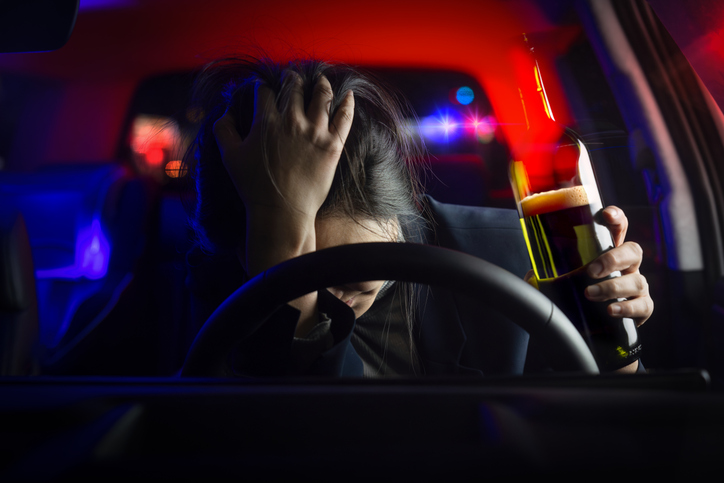
As a Chicago DUI defense attorney, one of the first questions I hear from people arrested on suspicion of driving under the influence is whether they’ll lose their driver’s license right away. The streets of Chicago—from neighborhoods like Lincoln Park and Humboldt Park to suburban areas like Oak Lawn and Evanston—are full of people who rely on driving for work, school, and family. That’s why this is such a pressing issue.
Under Illinois law, a DUI arrest doesn’t mean an automatic conviction, but it can still trigger immediate consequences for your driving privileges. Understanding the difference between a DUI criminal charge and a Statutory Summary Suspension of your driver’s license is essential.
I defend clients in Cook County, DuPage County, Lake County, and Will County who face DUI-related charges. Whether your arrest happened on I-290 in Oak Park, near Wrigley Field, or during a late-night traffic stop on Lake Shore Drive, your right to drive may already be at risk.
DUI can be charged as a Class A misdemeanor in Illinois for first-time offenses. However, if there are aggravating factors such as bodily harm, a child in the car, or prior DUI convictions, you may face a Class 4 felony or higher, punishable by prison time and long-term loss of driving privileges.
Illinois DUI arrests kick off a two-track legal process: a criminal case and an administrative case through the Secretary of State. Each has different timelines and consequences, but both affect your future.
Understanding the Statutory Summary Suspension: What Happens to Your License?
If you refused or failed a chemical test (breath, blood, or urine) at the time of your arrest, Illinois law imposes a Statutory Summary Suspension (SSS) of your driving privileges. This suspension is administrative—separate from the criminal DUI charge—and can begin 46 days after your arrest, not immediately.
Illinois law (625 ILCS 5/11-501.1) authorizes this type of automatic license suspension if you:
- Refuse to submit to chemical testing
- Fail a test (e.g., blood alcohol content over 0.08%)
The arresting officer will give you a Notice of Statutory Summary Suspension, and this notice starts the countdown. You have just 90 days to request a hearing to challenge the suspension.
For first-time offenders, a failed test can result in a 6-month suspension, while a refusal leads to a 12-month suspension. Repeat offenders face much longer suspensions—up to 3 years.
It’s important to understand that the clock starts ticking right after arrest. Many drivers mistakenly believe they’ll get a formal court letter before anything happens. That’s not the case in Illinois. You can wake up weeks later to find out your license has been automatically suspended if no action was taken.
The good news is that I often help clients challenge the suspension before it takes effect. A Petition to Rescind the Statutory Summary Suspension must be filed promptly with the circuit court in the county where the arrest occurred. I’ve successfully defended drivers from summary suspensions in courts throughout Chicago and the surrounding counties.
What Are the Penalties for DUI Conviction in Illinois?
The consequences for a DUI conviction go well beyond losing your license. Illinois statute 625 ILCS 5/11-501 outlines a range of penalties, depending on whether the DUI is a first, second, or aggravated offense.
For a first DUI conviction:
- Class A misdemeanor
- Up to 1 year in jail
- Up to $2,500 in fines
- Mandatory license revocation for 1 year
- Court-ordered alcohol treatment or education
For a second DUI conviction within 20 years:
- Also a Class A misdemeanor
- Mandatory minimum 5 days in jail or 240 hours community service
- 5-year license revocation
- Ineligible for court supervision
For a third or subsequent offense, you’re looking at a Class 2 felony, which may include:
- 3 to 7 years in prison
- Steep fines
- Permanent license revocation
- Vehicle forfeiture in some cases
Aggravating factors—such as DUI with a child passenger, DUI causing bodily harm, or DUI while driving a school bus—can escalate the charge to a Class 4 or even Class 1 felony, carrying longer prison terms and much stricter driver’s license penalties.
I work to ensure that my clients don’t just accept these outcomes. Many DUI cases have factual issues or legal problems that can be raised in court to reduce or eliminate charges entirely.
How Criminal DUI Cases Unfold in Chicago and What Police Are Looking For
After a DUI arrest in Illinois, the criminal case begins with a formal charge—usually at the station, where the officer completes the arrest report and submits it to the State’s Attorney.
Police and prosecutors then begin to build their case, relying on:
- Field sobriety tests (FSTs) – Often conducted roadside, but highly subjective
- Breathalyzer or blood test results – Must meet strict calibration and procedural requirements
- Officer observations – Alleged slurred speech, glassy eyes, odor of alcohol
- Bodycam and dashcam video – Can help or hurt depending on what’s captured
- Statements by the driver – Anything you say, including admissions, can be used
- Witness testimony – From passengers, bystanders, or other officers
This evidence is handed to the prosecuting attorney in your assigned court, whether that’s at the Richard J. Daley Center in Cook County, the Rolling Meadows courthouse, or a courthouse in DuPage, Will, or Lake County.
The strength of the prosecution’s evidence is often far weaker than it appears on paper. I carefully examine test protocols, camera footage, and officer conduct for any legal or procedural errors.
A Realistic DUI Defense Strategy from a Case in Logan Square
A client was arrested in Logan Square after being pulled over late at night. The officer claimed the driver failed field sobriety tests and arrested him for DUI. The driver consented to a breath test, which reported a BAC of 0.09%.
My defense began by requesting and reviewing the dashcam footage, which showed inconsistent administration of the tests and a lack of probable cause for the stop. The breathalyzer machine had a maintenance issue flagged by the Department of Public Health three days before the test.
We challenged the reliability of the evidence and filed a motion to suppress both the FSTs and the breath results. At the hearing, the judge ruled that the initial traffic stop was invalid and dismissed the DUI charge. Because we also filed a timely Petition to Rescind the Summary Suspension, the client never lost his license.
This is a clear example of how a skilled defense attorney can protect your record and license, even when it seems like the evidence is stacked against you.
Why You Need a DUI Defense Attorney for Every Stage of the Case
The Illinois DUI process involves a criminal case, an administrative license suspension, and possibly a civil hearingdepending on other factors. Each stage has deadlines, paperwork, legal standards, and opportunities to fight back.
Without a defense attorney, you risk missing the 90-day deadline to challenge the SSS, failing to suppress improper evidence, or accepting a plea that hurts your future job, insurance, and professional licenses.
I defend clients at every stage:
- Arraignment and bond hearing
- Summary Suspension hearing
- Pretrial motions (suppression, dismissal)
- Plea negotiations
- Bench or jury trial
I also help you seek hardship driving relief through a Monitoring Device Driving Permit (MDDP) or Restricted Driving Permit (RDP), which may allow you to keep working or caring for your family.
The law is harsh, but it’s not unbeatable. The earlier you contact me, the more I can do to protect your record, reputation, and ability to drive.
Legal Defenses That May Apply in an Illinois DUI Case
DUI defenses must be grounded in both fact and law. I raise arguments that prosecutors often can’t answer, including:
- Lack of probable cause for the traffic stop
- Invalid or poorly administered field sobriety tests
- Malfunctioning breathalyzer or blood testing errors
- Improper Miranda warnings or illegal questioning
- Medical conditions mimicking signs of intoxication
- Rising BAC—alcohol level increasing after driving ended
- No proof of actual physical control of the vehicle
Each case is unique. I customize defenses based on your facts and aggressively argue those defenses in court to get charges dropped or reduced.
What to Look For in a DUI Criminal Defense Attorney in Chicago
When your license, job, and freedom are on the line, your attorney matters. You want a lawyer who:
- Has years of experience defending DUI cases in Chicago and the collar counties
- Understands both the criminal case and summary suspension
- Has appeared in courts like Skokie, Bridgeview, Rolling Meadows, and downtown Chicago
- Personally handles your case—not passing it off to junior staff
- Can explain your options clearly, without legal jargon
- Has a proven track record of DUI dismissals, reductions, and license reinstatements
What Questions Should I Ask at My DUI Consultation?
If you’re booking a free consultation with a DUI attorney, ask questions that give you insight into their experience and approach. Good questions include:
- Have you handled DUI cases in the same court where my case is pending?
- What’s your success rate in challenging Summary Suspensions?
- How do you approach cases involving breath tests or refusals?
- Will I work directly with you throughout my case?
- How do you structure your fees, and is a flat fee available?
You deserve honest answers and real attention—not marketing hype.
Chicago DUI Defense FAQs: What You Need to Know
Can I still drive after my arrest?
Yes, for 45 days after the arrest, unless you take legal action to stop the Summary Suspension.
Will I go to jail for a first DUI in Illinois?
Jail is possible, but not mandatory. Many first-time offenders receive supervision, probation, or community service.
Does a DUI go on my record forever?
A DUI conviction is permanent. Court supervision is not a conviction and may be expunged after a waiting period.
Can I beat a DUI if I failed the breath test?
Yes, breath test results can be challenged based on maintenance logs, improper testing, and rising BAC defenses.
What is court supervision, and is it available to me?
Supervision avoids a conviction and is often available for first-time DUI offenders. It may help avoid jail and permanent license revocation.
Will my insurance go up if I’m convicted of DUI?
Yes, you’ll likely face significantly higher premiums or even cancellation.
Why You Should Call The Law Offices of David L. Freidberg Immediately
DUI charges in Illinois move quickly and carry both criminal and administrative penalties. If you wait too long to act, your license could be suspended, evidence could disappear, and your chances at a favorable outcome diminish.
At The Law Offices of David L. Freidberg, I defend clients across Chicago and the surrounding counties with skill, urgency, and care. My practice covers Cook County, DuPage County, Will County, and Lake County. I’ve helped hundreds of drivers avoid license suspension, reduced DUI charges, and protected criminal records.
When You Need a Fighter, Call Us!
Whether you’re charged in downtown Chicago, Skokie, Maywood, Bridgeview, or Rolling Meadows, we’re ready. We appear regularly in courtrooms throughout Cook, DuPage, Will, and Lake Counties. And we don’t treat aggravated speeding as just another moving violation.
If you were arrested in Chicago, protect your future by contacting The Law Offices of David L. Freidberg. We have decades of experience handling DUI cases in Illinois. Our firm is available 24/7 to provide the legal defense you deserve.
Contact us today at (312) 560-7100 or toll-free at (800) 803-1442 for a free consultation. We’re available 24/7 to serve clients throughout Illinois, Cook County, DuPage County, Will County, and Lake County.