

I Don’t Know What I Would
Have Done Without Him...
Can I Get a Permit to Drive During a Driver’s License Suspension in Chicago?
Driving Relief in Chicago: What Happens When Your License Is Suspended?
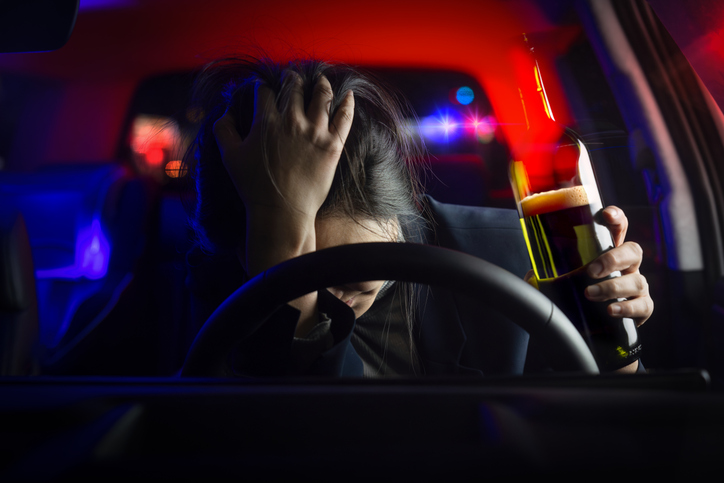
In Chicago, losing your license can be more than just an inconvenience—it can wreck your job, disrupt your family life, and turn every trip to the grocery store into a criminal risk. From the West Loop to South Shore, I represent people every day who ask the same question: “Can I still drive if my license is suspended?” The answer often depends on your situation and whether you qualify for a Monitoring Device Driving Permit (MDDP) or a Restricted Driving Permit (RDP) under Illinois law.
In Illinois, criminal charges are categorized as misdemeanors or felonies, and certain traffic violations—particularly those involving DUI or repeat offenses—can fall into either category depending on the facts. If you’ve been convicted of DUI or refused chemical testing, your license can be suspended or revoked under 625 ILCS 5/6-206 or 625 ILCS 5/6-208. Once suspended, driving without permission can trigger aggravated charges, especially in Cook County where prosecutors have little tolerance for unauthorized driving.
Fortunately, the state does provide relief options for certain suspended drivers—but only if you act fast and follow procedures. A qualified Chicago DUI lawyer can assess your eligibility for a permit, represent you in the hearing process, and challenge any improper suspension or denial of relief.
Types of Permits You Can Apply for After a Suspension in Illinois
There are two primary types of driving permits available to people with suspended licenses in Chicago:
Monitoring Device Driving Permit (MDDP)
This permit is usually available to first-time DUI offenders. It allows you to drive during your statutory summary suspension period, but only if you install a Breath Alcohol Ignition Interlock Device (BAIID) in your vehicle. The MDDP is available 30 days after the suspension begins, and requires you to apply through the Secretary of State.
Restricted Driving Permit (RDP)
This permit is for drivers whose licenses are revoked or suspended for reasons other than a first-time DUI. This includes multiple DUIs, driving while suspended, or drug-related offenses. To qualify, you typically must demonstrate undue hardship, such as needing to drive to work, school, medical appointments, or to care for a dependent. An informal or formal hearing with the Secretary of State is required, depending on your record.
Many clients don’t realize that even if they’re granted a permit, there are strict rules. You may be allowed to drive only during specific hours, to specific places, and with a functioning BAIID installed. Violating any condition can result in revocation of the permit and new criminal charges under 625 ILCS 5/6-303.
Having a criminal defense lawyer in Chicago on your side is critical to getting a permit approved. Without legal representation, most people don’t know how to present their hardship, structure their work schedule, or prepare for questioning at the Secretary of State hearing.
Example Case: Driving Relief Granted After a Humboldt Park DUI Suspension
Let’s take a fictional—but realistic—example. A man from Humboldt Park is arrested for DUI after being pulled over near Division Street. He refuses the breath test, which triggers an automatic 12-month suspension under Illinois’ statutory summary suspension law. He’s a first-time offender and needs to drive to Joliet for work every day.
He hires a Chicago DUI defense attorney who helps him apply for an MDDP. The attorney ensures the application is complete, confirms the BAIID installer is certified, and submits proof of insurance and vehicle registration. Thirty days after the suspension begins, the man receives approval and installs the device. He’s able to keep working and avoid further trouble.
Without that permit, he would have risked being arrested for driving while suspended, which carries mandatory jail time for repeat offenders and turns into a Class 4 felony if you’re caught multiple times. The system is harsh, but it does provide a path forward for those who know how to work within it.
The Criminal Case Process and Why You Need a Lawyer at Every Stage
Whether your suspension stems from a DUI, drug arrest, or unpaid fines, your criminal case usually begins with a traffic stop or investigation. Once you’re arrested, law enforcement may seize your license, issue a temporary driving receipt, and forward the paperwork to the Secretary of State. The criminal case moves forward in court, while the license suspension is handled through administrative hearings.
The two tracks can overlap but must be handled separately. Your Chicago criminal defense attorney should immediately file a petition to rescind your license suspension if you’re facing a DUI-related case. This administrative hearing must be scheduled within 30 days, and if the state fails to meet the deadline or produce the officer, your license may be reinstated.
At the same time, the criminal court process moves from arraignment to pretrial hearings, motions to suppress, negotiations, and potentially trial. If you’re convicted or plead guilty, that may affect your driving status going forward. A conviction for DUI, for example, results in mandatory revocation, and you may have to wait at least one year before applying for an RDP.
Throughout the case, your attorney plays a crucial role in:
- Filing pretrial motions to limit evidence
- Negotiating plea deals to reduce charges
- Requesting supervision or deferred prosecution
- Protecting your driving privileges
Without representation, you may not know which hearing affects your license, when to apply for relief, or how to frame your case in a favorable light. The consequences of getting it wrong are severe.
Evidence in Suspension Cases and Potential Legal Defenses
When fighting a license suspension or seeking relief, your lawyer will often review:
- Arrest reports
- Body camera and dashcam footage
- Breathalyzer maintenance logs
- Blood or urine test results
- Witness statements
- Field sobriety test protocols
- Court transcripts from prior DUIs
Errors in any of these areas can form the basis for a defense. For example, if the officer lacked probable cause for the traffic stop, or failed to read your implied consent warnings properly, your license suspension may be rescinded.
If you’re accused of driving while suspended, your Chicago traffic defense attorney may argue that you were never properly notified of the suspension, or that you were operating under a valid permit that the officer failed to recognize.
In some cases, we’ve successfully challenged the denial of RDPs by demonstrating that the Secretary of State relied on outdated or incorrect information. Your defense must be tailored to your facts, but you need an attorney who’s familiar with both criminal court and administrative hearing procedures in Chicago.
What to Look for in a Criminal Defense Attorney in Chicago
When hiring a lawyer to help with a license suspension case or driving permit application, you need someone who understands both the criminal justice system and the Secretary of State hearing process. Ask questions during your free consultation, such as:
- How many license suspension cases have you handled?
- Do you attend formal hearings at the Secretary of State regularly?
- Have you helped clients get RDPs or MDDPs successfully?
- Can you help with both the criminal case and the permit process?
- What are the likely timelines and outcomes in my situation?
- Will you be handling my case personally?
Not all lawyers know how to handle the technical details of permit applications or license hearings. The paperwork, evidence requirements, and procedural rules are specific and unforgiving. You deserve a lawyer who understands the full picture—not just one part of the process.
Chicago Criminal Defense FAQs
Can I drive to work while my license is suspended in Chicago?
Only if you obtain a Restricted Driving Permit (RDP) or Monitoring Device Driving Permit (MDDP). Driving without one is a criminal offense under 625 ILCS 5/6-303 and can result in jail or even felony charges. A Chicago criminal defense lawyer can assess your eligibility and help you apply correctly.
What’s the difference between a suspension and a revocation?
A suspension is temporary and ends after a set period if you meet conditions. A revocation is indefinite and requires a formal hearing and approval before your license can be reinstated. Chicago drivers with revoked licenses must often wait one year or more before applying for a permit or reinstatement.
Can I get a permit if I refused the breathalyzer test?
Yes, but it’s more difficult. A first-time refusal results in a 12-month suspension, during which you may apply for an MDDP if you’re otherwise eligible. You must install a BAIID device, and your driving is limited to monitored operation.
Is it a crime to drive during a suspension?
Yes. Driving while your license is suspended or revoked is a criminal offense, not just a traffic violation. If caught, you could face jail, fines, further license penalties, and a criminal conviction. A Chicago traffic attorney can defend you and explore alternatives.
How do I get my license reinstated in Illinois after a DUI?
You’ll need to complete all sentence requirements, obtain an alcohol evaluation, possibly complete a treatment program, and attend a formal Secretary of State hearing. If successful, you may first be granted an RDP, followed by full reinstatement later. An experienced Chicago DUI lawyer can guide you through this complex process.
What happens at a formal Secretary of State hearing?
You’ll present evidence of rehabilitation, proof of hardship, and a detailed plan for responsible driving. You’ll be questioned under oath, and a hearing officer will make a recommendation. You should never go into this hearing without legal counsel. The Secretary of State can deny your permit and make you wait months to reapply.
Can I lose my job because of a suspended license?
Yes, especially if your job requires you to drive. That’s why permits are so important—they can help you maintain employment while your suspension is in effect. A Chicago criminal defense attorney can present this hardship during your hearing.
How long does it take to get a permit after applying?
MDDPs are typically approved within a few weeks once all documentation is submitted. RDPs can take longer due to hearing scheduling. A lawyer familiar with Chicago-area hearing schedules can speed up the process and avoid mistakes that cause denial or delay.
Why You Need a Criminal Defense Lawyer When Your License Is Suspended
License suspensions may feel administrative, but in reality, they carry serious criminal consequences if ignored. The moment you drive without proper authorization in Chicago, you’re risking arrest, jail, and deeper legal problems. Prosecutors in Cook County don’t treat these cases lightly—especially if you have prior offenses.
At The Law Offices of David L. Freidberg, I help people apply for permits, fight improper suspensions, and challenge criminal charges tied to unauthorized driving. I’ve spent years defending clients in Chicago and surrounding counties, and I know how to approach each stage—whether it’s the courtroom or the Secretary of State hearing.
You don’t want to gamble with your license, your record, or your job. Having a defense attorney who knows the law and the local system gives you the best shot at a real solution.
Call The Law Offices of David L. Freidberg for Help With Suspended License and Driving Permits in Chicago
If your license is suspended in Chicago or you’ve been charged with driving while suspended, get help immediately. The Law Offices of David L. Freidberg offers free consultations and aggressive representation across Cook County, DuPage County, Will County, and Lake County.
Whether you’re charged in downtown Chicago, Skokie, Maywood, Bridgeview, or Rolling Meadows, we’re ready. We appear regularly in courtrooms throughout Cook, DuPage, Will, and Lake Counties. And we don’t treat aggravated speeding as just another moving violation.
If you were arrested in Chicago, protect your future by contacting The Law Offices of David L. Freidberg. We have decades of experience handling DUI cases in Illinois. Our firm is available 24/7 to provide the legal defense you deserve.
Contact us today at (312) 560-7100 or toll-free at (800) 803-1442 for a free consultation. We’re available 24/7 to serve clients throughout Illinois, Cook County, DuPage County, Will County, and Lake County.