

I Don’t Know What I Would
Have Done Without Him...
Can I Get a Hardship License After a Felony DUI in Illinois?
Facing a Felony DUI in Chicago? What You Need to Know About Hardship Licenses
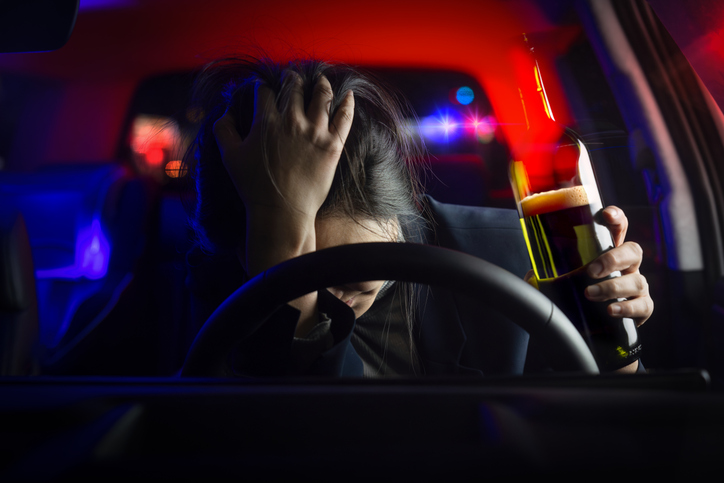
If you’ve been arrested or convicted for a felony DUI in Chicago or anywhere in Cook County, you’re likely worried about more than just jail time—you’re probably wondering how you’ll get to work, care for your family, or maintain basic independence. For many people, the most immediate concern after a felony DUI arrest is whether they’ll be able to drive at all.
As a Chicago DUI defense attorney with decades of experience in Illinois courts, I’ve helped countless clients understand and fight for driving relief through what’s known as a “hardship license.” These limited-use permits can offer a lifeline when your license is suspended or revoked due to a DUI conviction. But qualifying for one, especially after a felony DUI, is no simple task.
Under Illinois law, the severity of a DUI charge—including whether it’s charged as a felony or misdemeanor—affects nearly every aspect of your case, including eligibility for a hardship license. In Chicago and across Illinois, a first or second DUI is typically charged as a Class A misdemeanor. However, several circumstances will elevate a DUI to a felony, including a third or subsequent offense, DUI with injury, DUI while driving a school bus, or DUI without a valid license or insurance.
If you’re dealing with a felony DUI in Illinois, particularly in Chicago neighborhoods like Wicker Park, South Shore, or Austin, you need an aggressive defense strategy and clear understanding of your rights under the Illinois Vehicle Code and criminal statutes.
Understanding Felony DUI and the Illinois Statutes That Apply
In Illinois, DUI offenses are governed by 625 ILCS 5/11-501 of the Illinois Vehicle Code. While a first or second offense may be treated as a misdemeanor, a third DUI or higher is automatically a felony. Additional aggravating factors may also elevate a DUI to felony status:
- DUI while transporting a child under 16 with bodily harm (Class 2 Felony)
- DUI resulting in great bodily harm or death (Class 2 or Class 1 Felony)
- DUI with a prior reckless homicide conviction (Class 3 Felony or higher)
- Driving under the influence without insurance, registration, or a valid license
Felony DUI penalties can include:
- 1–3 years imprisonment (or more, depending on the felony class)
- Fines up to $25,000
- Mandatory minimum prison time for certain offenses
- Mandatory revocation of your driver’s license
- Long-term loss of civil rights, employment opportunities, and public benefits
In felony DUI cases, a license revocation is not a short-term administrative suspension—it’s a complete revocation of your driving privileges. That makes hardship relief especially difficult but not always impossible.
The Criminal Process: How a Felony DUI Case Unfolds in Illinois
Every DUI case begins with an arrest, often after a traffic stop, accident, or roadside checkpoint. From there, the process moves through these stages:
- Initial arrest and notice of statutory summary suspension
- Bond court appearance and initial charges filed by the State’s Attorney
- Pretrial hearings for discovery, motions, and potential suppression of evidence
- Trial in front of a judge or jury in criminal court
- Sentencing, if convicted, followed by revocation proceedings with the Secretary of State
If your DUI results in felony charges in Cook County, you’ll be prosecuted in the Circuit Court of Cook County. From the moment charges are filed, the clock starts ticking—failing to respond appropriately or missing key deadlines can jeopardize your ability to challenge the suspension or request a hardship license down the road.
A hardship license (technically called a Restricted Driving Permit, or RDP) is not automatically available. You’ll need to petition the Illinois Secretary of State through a formal hearing process and prove that:
- You’ve met a minimum revocation period
- You’ve completed DUI risk education and/or treatment
- You have a genuine hardship, such as work or family obligations
- You are not a risk to public safety
These hearings are conducted either informally at a Driver Services facility or formally before a hearing officer. Felony DUI offenders are generally required to go through the formal hearing process, particularly if this is your third or fourth DUI or if a death or injury was involved.
A Realistic Case Example: Felony DUI in Humboldt Park and a Hardship License Battle
Let’s consider a real-world example based on a case I defended in Humboldt Park. My client was arrested for a third DUI after a rear-end collision near North Avenue and California. He had two prior convictions from over a decade ago and had since become a father of two, working as a union carpenter.
The third arrest resulted in a felony charge under 625 ILCS 5/11-501(d) and triggered an automatic license revocation. The family’s primary concern was transportation—he needed to get to worksites across Chicago and suburban Cook County. We first challenged the legality of the arrest, arguing that the officer lacked probable cause to perform field sobriety tests. At the same time, we gathered evidence for the Secretary of State hearing, including employment letters, proof of DUI treatment, and clean drug/alcohol evaluations.
At the formal hearing, we demonstrated not only the hardship caused by his inability to drive but also significant behavior change and rehabilitation. The hearing officer granted a Restricted Driving Permit with a BAIID requirement (Breath Alcohol Ignition Interlock Device), allowing him to return to work under strict conditions.
Without a defense attorney experienced in both criminal court and Secretary of State hearings, he could have been completely barred from driving for five years or more.
The Types of Evidence Prosecutors and Law Enforcement Use
In a felony DUI case, law enforcement and prosecutors rely on multiple forms of evidence, including:
- Breathalyzer results or blood alcohol tests
- Field sobriety test performance (SFSTs)
- Body cam or dash cam footage
- Eyewitness accounts
- Accident reconstruction reports
- Statements made to police, especially before Miranda rights
- Prior DUI conviction records
Your defense attorney needs to analyze each piece of evidence closely. In many cases, evidence is flawed due to improper testing, unreliable witnesses, or constitutional violations during the arrest.
Even small procedural missteps—such as an improperly calibrated breath machine or invalid field sobriety test instructions—can lead to suppression of key evidence.
The Importance of Hiring a Criminal Defense Lawyer for a Felony DUI in Chicago
If you’re facing a felony DUI, the stakes couldn’t be higher. This is not the kind of case you can afford to handle without representation. From license revocation to prison time, felony DUI charges in Illinois require legal intervention from day one.
Here’s what a criminal defense lawyer will do for you:
- Challenge the validity of the stop or arrest
- Review video, breath test, and field sobriety test procedures
- File motions to suppress illegally obtained evidence
- Negotiate for reduced charges or sentencing alternatives
- Prepare your case for trial if necessary
- Represent you at formal Secretary of State hearings for license relief
At my office, I represent clients from all over Chicago—including Bronzeville, Avondale, and Garfield Ridge—as well as suburban counties like DuPage and Will. I have the trial experience and administrative law knowledge to handle both parts of a felony DUI case: the criminal side and the driver’s license side.
Legal Defenses to Felony DUI Charges and Hardship License Denials
There are several legal defenses that can be raised in a felony DUI case, depending on the circumstances:
- Illegal traffic stop with no reasonable suspicion
- Improper field sobriety testing or flawed test administration
- Unlawful search and seizure
- Faulty breathalyzer calibration or blood testing chain of custody
- Medical conditions that mimic intoxication symptoms
- Violation of Miranda rights or coerced statements
On the administrative side, license reinstatement or hardship relief may be denied if the hearing officer believes you pose a public safety risk. That’s why documentation, treatment records, employment letters, and clean evaluations are critical to a successful hardship license petition.
What to Look for in a DUI Defense Lawyer in Illinois
If you’re searching for a Chicago criminal defense attorney, look for someone who has a long record of courtroom experience, especially in felony DUI cases. It’s not just about fighting the charge—it’s also about knowing how to navigate Secretary of State hearings, prepare you for testimony, and secure your driving relief.
You’ll want a lawyer who:
- Understands local courts in Cook, DuPage, Lake, and Will counties
- Has handled formal hearings for Restricted Driving Permits
- Will personally review evidence and not pass the case to junior staff
- Has a track record of DUI dismissals, reductions, and license reinstatements
During your consultation, don’t be afraid to ask hard questions.
Questions to Ask During Your Free DUI Defense Consultation
When meeting with a defense attorney after a felony DUI, consider asking the following:
- How many felony DUI cases have you handled in Chicago?
- What is your strategy for challenging the suspension or revocation?
- Have you represented clients at formal Secretary of State hearings?
- Will you handle my case directly or pass it to an associate?
- What can I do now to help my case?
- What is the timeline for requesting a hardship license?
- What evidence should I begin gathering?
I answer these questions every day during confidential, no-cost consultations with people who are overwhelmed, angry, and afraid of what a felony DUI might mean for their lives.
Chicago Criminal Defense FAQs: Felony DUI and Driving Relief
Can I apply for a hardship license immediately after a felony DUI?
No. In most cases, Illinois requires a minimum revocation period of one year or more before you can even request a hearing. The more prior DUIs, the longer the wait.
Does a Restricted Driving Permit restore full driving privileges?
No. It allows limited driving for work, school, medical, or family care. You may be required to install a BAIID device on any vehicle you drive.
Can I drive for work if I hold a CDL after a felony DUI?
A felony DUI will usually result in permanent disqualification of your CDL, making driving commercially impossible, even with a hardship license.
What’s the difference between informal and formal hearings?
Informal hearings apply to minor suspensions or first offenses. Felony DUI cases require a formal hearing, with testimony, evidence, and cross-examination before a hearing officer.
Do I need a lawyer for the Secretary of State hearing?
Yes. You must build a record of rehabilitation, hardship, and public safety risk reduction. Representing yourself is rarely successful, especially in formal hearings.
What happens if my hardship license request is denied?
You must wait at least four months before requesting another formal hearing, and you’ll need to fix the reason for the denial (e.g., treatment gaps or poor testimony).
Will my DUI show up on background checks if I get driving relief?
Yes. A Restricted Driving Permit does not seal or erase your record. The conviction remains and may impact jobs, housing, and professional licensing.
Why You Need an Attorney for Felony DUI and Hardship License Defense
Trying to defend yourself in a felony DUI case, or attempting to get a hardship license without legal help, is one of the biggest mistakes you can make. These cases involve criminal court, administrative hearings, technical evidence, and permanent consequences.
Only an experienced Chicago criminal defense attorney can help you fight the charge, avoid unnecessary jail time, and present the strongest case for limited driving relief. Without guidance, your risk of rejection and further sanctions only increases.
I’ve successfully represented hundreds of clients across Chicago and suburban counties—and I can fight for you.
Call The Law Offices of David L. Freidberg for Aggressive DUI Defense
If you’re facing a felony DUI or seeking a hardship license after a revocation, call me directly. The Law Offices of David L. Freidberg provides dedicated representation across Chicago, Cook County, DuPage County, Will County, and Lake County.
When You Need a Fighter, Call Us!
Whether you’re charged in downtown Chicago, Skokie, Maywood, Bridgeview, or Rolling Meadows, we’re ready. We appear regularly in courtrooms throughout Cook, DuPage, Will, and Lake Counties. And we don’t treat aggravated speeding as just another moving violation.
If you were arrested in Chicago, protect your future by contacting The Law Offices of David L. Freidberg. We have decades of experience handling DUI cases in Illinois. Our firm is available 24/7 to provide the legal defense you deserve.
Contact us today at (312) 560-7100 or toll-free at (800) 803-1442 for a free consultation. We’re available 24/7 to serve clients throughout Illinois, Cook County, DuPage County, Will County, and Lake County.