

I Don’t Know What I Would
Have Done Without Him...
Can I Drive While My DUI Case Is Pending In Chicago?
Understanding Chicago, Illinois DUI Law And Whether You Can Drive While Your Case Is Pending
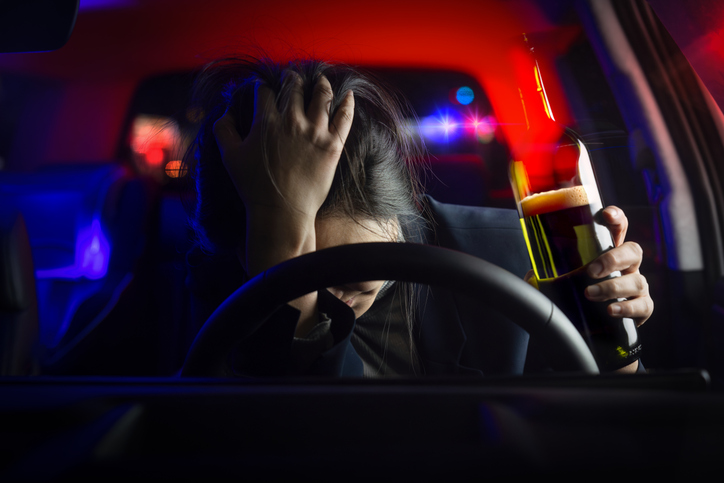
Chicago is a city where driving is often essential, whether commuting from the North Side, traveling from the South Shore neighborhood, or working downtown in the Loop. When someone is arrested on suspicion of DUI in Chicago, one of the first questions they ask is whether they are allowed to drive while the case is pending. The answer requires understanding how Illinois law treats DUI charges, the difference between misdemeanors and felonies, and how license suspensions work while the case moves through court.
All crimes in Illinois are classified as either misdemeanors or felonies. DUI charges fall into both categories depending on the circumstances. Under 625 ILCS 5/11‑501, a first DUI offense without aggravating factors is usually a Class A misdemeanor, carrying up to 364 days in jail and fines up to $2,500. Aggravated DUI is charged as a felony and applies when there are prior DUIs, a suspended license, an accident causing serious injury or death, a child passenger, or other statutorily defined factors. Felony DUI can be a Class 4, Class 3, Class 2, or Class 1 felony, with sentencing ranges from one year to more than a decade in the Illinois Department of Corrections.
Driving while the case is pending involves two separate legal tracks in Illinois. One is the criminal case. The other is the statutory summary suspension of your driver’s license. When a driver is arrested for DUI, Illinois law automatically imposes a license suspension beginning on the 46th day after arrest if either the breath test is refused or failed. This suspension is administrative in nature and is imposed by the Secretary of State, separate from the criminal court proceedings. Whether you can legally drive depends on whether a suspension has taken effect, whether a monitoring device driving permit has been issued, whether the suspension has been challenged, and whether the court places restrictions as a condition of bond.
Criminal cases generally begin with a police investigation. In Chicago, this may involve a traffic stop on Lake Shore Drive, a roadside investigation in Logan Square, or a checkpoint in the Near West Side. Law enforcement collects observations regarding driving behavior, odor of alcohol, admissions, and performance on standardized field sobriety tests. The arrest process follows if probable cause is claimed. Once booked, the case is forwarded to prosecutors and assigned a court date. At that moment, many clients understandably worry about work, school, and family obligations and need to know if they can still drive legally.
The answer varies because Illinois law is strict regarding suspended licenses. Driving while suspended for a DUI-related suspension can itself result in additional criminal charges, including aggravated driving while license suspended under 625 ILCS 5/6‑303, which is often charged as a felony when DUI is involved. This is why consulting a Chicago criminal defense lawyer immediately after arrest is essential. Your ability to lawfully drive during the pending case can depend on hearings that must be filed quickly, eligibility for a permit with a Breath Alcohol Ignition Interlock Device, and court orders from your bond hearing. Acting without legal guidance risks turning one criminal charge into several.
Chicago courts treat these situations seriously because DUI cases are intertwined with public safety, but Illinois law also recognizes hardship concerns for drivers who must travel to work, handle childcare, and attend school. A Chicago DUI lawyer can petition to rescind the statutory summary suspension, can file motions contesting probable cause, and can assist with obtaining restricted driving relief through the Secretary of State when appropriate. Whether you can drive while your DUI case is pending therefore requires careful analysis of your specific case history, license status, and procedural deadlines.
How DUI Cases Begin In Chicago, The Evidence Collected, And What Happens To Your Driver’s License
Understanding whether you can drive while the DUI case is pending means understanding how DUI cases begin and how license suspensions are triggered. Most DUI cases start with a traffic stop based on alleged improper lane usage, speeding, equipment violations, or a reported accident. Sometimes the initial contact happens because a driver is found sleeping in a vehicle or pulled over at the side of the road. Once law enforcement engages the driver, officers typically look for what they consider clues of impairment, such as slurred speech or glassy eyes, although many of these observations can be explained by fatigue, allergies, or stress.
The investigation phase includes standardized field sobriety tests such as the walk-and-turn or one-leg stand. These tests are not always administered properly, yet they are often relied upon heavily in police testimony. Officers may also request a preliminary breath test at the roadside. After arrest, drivers are taken to a police station where breath, blood, or urine testing may be requested under implied consent laws. Refusing chemical testing triggers longer statutory summary suspensions, but it may also reduce evidence available to the prosecution in the criminal case.
The statutory summary suspension is one of the most confusing aspects for drivers. This suspension is not a court punishment; it is administrative. It begins automatically unless challenged. If a chemical test result is .08 or more, the suspension is usually six months for a first offender. If the test is refused, the suspension is typically one year. Repeat offenders face longer suspensions. A Chicago DUI lawyer can file a petition to rescind the suspension. This petition must be timely and can be based on lack of reasonable grounds for the stop, improper warnings, or other defects in the process. Winning a rescission petition can restore driving privileges during the pending case.
Meanwhile, the criminal court case proceeds in Cook County courthouses such as 26th and California, Skokie, Bridgeview, Rolling Meadows, or Markham, depending on where the arrest occurred. The case moves through arraignment, discovery, pretrial motions, and possibly trial. The evidence law enforcement attempts to collect can include dashboard and body camera recordings, breath test records, blood toxicology results, officer notes, witness statements, and accident reports. An experienced Chicago criminal defense lawyer reviews every piece to determine admissibility and accuracy. Invalid evidence can be excluded through motions, which may lead to dismissals or reductions in charges.
The potential penalties in Illinois depend on whether the DUI is charged as misdemeanor or felony. A first offense misdemeanor DUI can still involve jail time, probation, fines, community service, mandatory alcohol classes, and license revocation after conviction. Felony aggravated DUI can include lengthy prison sentences, substantial fines, years of license revocation, and collateral consequences that follow a person permanently. Beyond legal penalties, a criminal conviction affects employment, housing, immigration, insurance costs, professional licensing, and background checks. A DUI record in Illinois is generally not eligible for sealing or expungement, which is why preventing a conviction is critically important.
A fictional but realistic example illustrates how driving privileges are affected. Consider a driver from the Avondale neighborhood stopped late at night for alleged lane deviations. The officer claims odor of alcohol and arrests after field sobriety testing. The driver refuses the breath test. The statutory summary suspension is set to begin. However, dashcam footage later shows the vehicle never actually left its lane. A petition to rescind is filed, evidence is contested, and the court rules the stop invalid. The suspension is rescinded and the criminal DUI case is later dismissed. Without legal representation, that driver might have assumed suspension was automatic and lost driving privileges unnecessarily.
The investigation process and license suspension system in Illinois show why the question “Can I drive while my DUI case is pending in Chicago?” cannot be answered with a simple yes or no. Driving may be permitted with a Monitoring Device Driving Permit and an ignition interlock device. Driving may be lawful if the suspension is rescinded. It may also be strictly prohibited and criminal if the suspension has taken effect and no permit exists. Making the wrong assumption can lead to arrest for driving while suspended, which brings its own felony exposure in DUI-related suspensions. Immediate consultation with a Chicago DUI lawyer helps ensure that every option is explored to preserve lawful driving privileges.
The Criminal Trial Defense Process, Possible Legal Defenses, And Why Having A Lawyer Matters At Every Step
The criminal trial defense process in Illinois is structured and demanding. After arraignment, the defense receives discovery from the prosecution. A Chicago criminal defense lawyer will examine every police report, every piece of video, and every test result for inconsistencies and constitutional violations. Pretrial motions often focus on whether the traffic stop, arrest, or testing procedures violated state law or constitutional rights. If the court suppresses evidence due to unlawful police conduct, the prosecution’s case may weaken substantially.
The trial itself can occur before a judge or a jury. The prosecution must prove beyond a reasonable doubt that the defendant operated a vehicle while impaired or with a prohibited blood alcohol level. Cross‑examination of officers, challenging of field sobriety testing qualifications, and attacks on testing equipment records are frequent trial strategies. Jurors in Chicago take their role seriously and expect the evidence to be reliable. When the state fails to meet its burden, acquittal is possible.
Legal defenses available in DUI cases vary widely. Some cases involve lack of probable cause for the traffic stop. Others involve inaccurate field sobriety testing instructions or medical conditions that mimic impairment. Breath testing equipment may be poorly maintained or calibrated. Blood testing can be contaminated or improperly stored. In some situations, the state cannot prove the defendant was in actual physical control of the vehicle. Each defense requires careful factual development. A Chicago DUI lawyer brings courtroom experience, familiarity with Illinois statutes, and understanding of local court practices to craft the best defense strategy.
The importance of legal representation extends beyond trial. The criminal process also includes plea negotiations and sentencing hearings. Defendants may be eligible for alternative sentencing, treatment programs, or reductions of charges that avoid permanent convictions. Without a Chicago criminal defense attorney advocating for these outcomes, individuals risk accepting pleas that bring long‑term consequences such as permanent criminal records and loss of employment opportunities. Representation ensures that defendants understand every consequence before making decisions.
Law enforcement collects many forms of evidence in criminal cases. In addition to DUI evidence, theft or drug cases might involve surveillance footage, forensic testing, GPS data, witness interviews, or search warrant returns. Each piece of evidence must be reviewed for legality and accuracy. A violation of search and seizure laws may allow suppression of evidence in drug possession or theft cases just as in DUI cases. Illinois criminal law respects constitutional protections, but defendants only benefit from them when a Chicago criminal defense lawyer raises them properly in court.
The qualities to look for in a criminal defense attorney in Illinois include courtroom skill, strong communication, familiarity with local judges and procedures, dedication to investigation of facts, and the willingness to thoroughly analyze every legal issue. During a free consultation, important questions to ask include how the attorney handles statutory summary suspension hearings, how motions to suppress are pursued, whether the lawyer personally handles court dates, and what range of outcomes might realistically be expected. Clear and honest communication is essential because criminal cases involve life‑altering decisions.
The benefits of having a criminal defense attorney stretch through every stage of the process. Filing deadlines to challenge license suspensions can be missed easily without guidance. Evidence that could have been preserved may be lost. Statements made without counsel may harm the defense. Court procedures can feel overwhelming, particularly in the busy Cook County criminal courts. A Chicago criminal defense lawyer ensures that someone is always watching out for your rights, your license, your record, and your future.
Chicago Criminal Defense FAQs Under Illinois Law
Can I still drive in Chicago while my DUI case is pending?
Whether you can legally drive depends on whether the statutory summary suspension has gone into effect and whether you have been granted a permit that allows driving with an ignition interlock device. A Chicago DUI lawyer can challenge the suspension and request a rescission hearing. If the suspension is rescinded or a permit is approved, you may legally drive. If you drive during a DUI‑related suspension without relief, you risk additional criminal charges, including aggravated driving while suspended. Every case is different, which is why consulting a Chicago criminal defense lawyer immediately after arrest is essential.
How long will my driver’s license be suspended after a Chicago DUI arrest?
If you failed a breath test, the suspension period is typically six months for a first offender. If you refused chemical testing, the suspension is usually one year for a first offender, with longer periods for prior offenses. These suspensions are separate from criminal court convictions and begin automatically unless challenged. A Chicago DUI lawyer can file a petition to rescind the suspension and request a hearing. If successful, your driving privileges may be restored while your criminal case continues. Without legal help, many people lose the opportunity to contest the suspension.
What happens if I am caught driving during a DUI suspension in Chicago?
Driving while suspended for DUI‑related reasons can result in new criminal charges under Illinois law. In many DUI‑related suspensions, the offense is elevated beyond a simple traffic violation and may be charged as aggravated driving while license suspended, which can be a felony. This can expose you to jail or prison time, higher fines, extended license revocation, and the possibility of vehicle impoundment. A Chicago criminal defense lawyer can defend both the underlying DUI and the suspended license charge, but the best strategy is to obtain lawful driving relief before operating a vehicle.
Is DUI a misdemeanor or felony in Illinois?
A first or second DUI without aggravating factors is typically a Class A misdemeanor. DUI becomes a felony, called aggravated DUI, when defined statutory aggravators are present. Examples include prior DUI convictions, serious injury or death, driving without a valid license, or having a child passenger. Felonies carry far more severe penalties, including potential prison sentences, lengthy revocations of driving privileges, and permanent felony records. A Chicago criminal defense lawyer will analyze your case to determine the classification and work to reduce or eliminate felony exposure whenever possible.
Will a DUI conviction remain on my record forever?
In most cases, yes. DUI convictions in Illinois are not eligible for expungement or sealing. This means that employers, landlords, and licensing boards can see the conviction indefinitely. This is a major reason to retain a Chicago DUI lawyer to fight for dismissal, acquittal, or supervision when eligible. Court supervision, when successfully completed in eligible cases, avoids a conviction and prevents a permanent criminal record for DUI. Once convicted, however, the record is typically permanent, with consequences that extend far beyond the courtroom.
How does a Chicago criminal defense lawyer help with my DUI case?
A Chicago criminal defense lawyer can contest the traffic stop, challenge field sobriety test results, question chemical testing accuracy, file motions to suppress unlawfully obtained evidence, negotiate for reduced charges, and represent you at trial. Your attorney also protects your license by filing appropriate petitions and guiding you through restricted driving permit applications when available. Attempting to handle a DUI case alone risks suspension of your license, loss of employment opportunities, and possible incarceration. Legal representation helps safeguard both your rights and your future.
What should I tell my employer if my license is suspended during my DUI case?
Every employment situation is different, but many employers will require notification if your job involves driving. A Chicago criminal defense lawyer can help you apply for restricted driving relief so that you may continue working even during suspension periods. Without legal assistance, you may unnecessarily lose the ability to drive for work, which can lead to job loss. Protecting employment is an important part of DUI defense strategy in Chicago, particularly for commercial drivers and those whose professions rely on transportation.
Why You Need An Attorney For A Pending DUI Case In Chicago And Why To Call The Law Offices Of David L. Freidberg
Driving during a pending DUI case in Chicago is risky if you are not certain of your license status. The legal system surrounding DUI arrests, statutory summary suspensions, and criminal court proceedings is complex, and the consequences of mistakes are severe. Failing to challenge a suspension, misunderstanding the effect of a chemical test refusal, or driving without a permit can turn a single arrest into multiple criminal charges. A Chicago criminal defense lawyer ensures that you understand exactly what you are allowed to do and helps protect your driving privileges and criminal record.
Attempting to handle a DUI case without legal counsel is a serious mistake. Prosecutors are not responsible for explaining every option available to you. Deadlines for rescission petitions and permit applications pass quickly. Evidence that could be used in your favor may disappear unless promptly preserved. The Law Offices of David L. Freidberg provides representation throughout Chicago and surrounding counties, working to prevent convictions, rescind suspensions, and defend constitutional rights. Our firm understands how DUI cases are prosecuted in Cook County, DuPage County, Will County, and Lake County and will fight to achieve the best possible outcome under Illinois law.
Call To Schedule A Free Consultation With The Law Offices Of David L. Freidberg
If you have been arrested for DUI in Chicago or anywhere in Illinois and want to know whether you can legally drive while your case is pending, contact The Law Offices of David L. Freidberg for immediate help. We provide free consultations 24 hours a day, seven days a week.
At The Law Offices of David L. Freidberg, I’ve spent my career defending good people in tough situations. I know the laws, the courts, and the defenses that work.
If you were arrested in Chicago, protect your future by contacting The Law Offices of David L. Freidberg. We have decades of experience handling DUI cases in Illinois. Our firm is available 24/7 to provide the legal defense you deserve.
Contact us today at (312) 560-7100 or toll-free at (800) 803-1442 for a free consultation. We’re available 24/7 to serve clients throughout Illinois, Cook County, DuPage County, Will County, and Lake County.