

I Don’t Know What I Would
Have Done Without Him...
Can I Be Charged With DUI for Operating a Golf Cart or E-Scooter in Illinois?
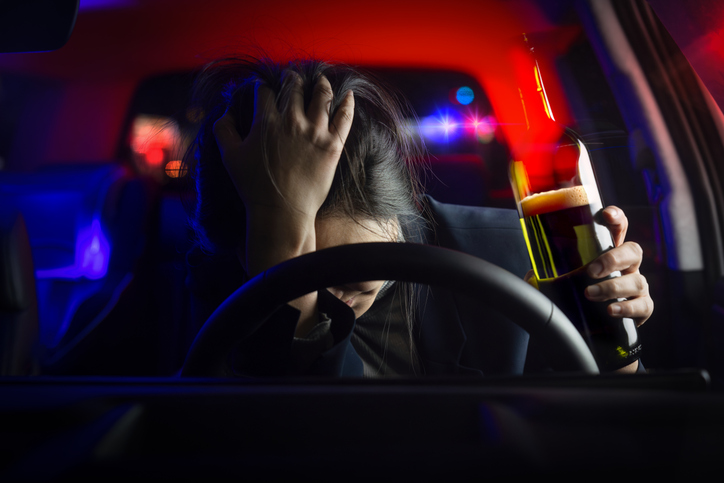
If you’re facing DUI charges for operating a golf cart or e-scooter in Chicago, you might be surprised to learn that the same Illinois laws apply to these smaller vehicles just as they do to cars. The Chicago Police Department has cracked down on e-scooter usage since their launch in areas like the Loop, West Loop, and Lincoln Park, and many residents don’t realize a DUI doesn’t just apply to traditional cars.
I’m a Chicago criminal defense attorney with decades of courtroom experience, and I’ve defended clients in every corner of the city—whether their DUI arrest happened in Wicker Park, on the Lakefront Trail, or outside a Cubs game. If you’ve been arrested for driving under the influence on a golf cart, an e-scooter, or even an electric bike, the consequences are very real. This isn’t just a ticket—it’s a criminal charge under Illinois law.
Let’s walk through what the law says, how these cases are prosecuted, and how you can defend yourself in court.
What the Law Says: DUI Applies to Golf Carts and E-Scooters Under Illinois Law
Under Illinois DUI law, specifically 625 ILCS 5/11-501, it is unlawful to operate any vehicle while under the influence of alcohol, drugs, or intoxicating compounds. The term “vehicle” is broadly defined under 625 ILCS 5/1-217 and includes every device that can transport a person or property on a highway, except devices moved exclusively by human power or those used exclusively on stationary rails or tracks.
This means that:
- Golf carts used on roadways or approved public ways fall under the “vehicle” category.
- E-scooters, electric bikes, mopeds, and similar mobility devices can qualify as vehicles depending on how and where they are operated.
While some local Chicago suburbs have golf cart ordinances permitting limited use, that does not override state DUI law. If you are operating a golf cart or scooter on a public street while impaired, law enforcement has the authority to initiate a DUI investigation.
A DUI charge in Illinois is typically classified as a Class A misdemeanor for a first offense. However, aggravating factors—such as a suspended license, prior DUIs, injury to another person, or minors in the vehicle—can elevate the offense to a Class 4 felony or higher. You could be facing jail time, a permanent record, and driver’s license suspension even if the vehicle in question isn’t a traditional car.
How These Charges Begin in Chicago: Arrest and Evidence Collection
DUI arrests for golf carts and e-scooters usually begin with an officer observing erratic behavior: swerving, running red lights, or failing to stop. If you’re riding through River North or Hyde Park late at night and show signs of impairment, you’re likely to be stopped. Chicago police may initiate a field sobriety test, and if there’s probable cause, you’ll be arrested and taken to the station for a breath or blood test.
The evidence police seek often includes:
- Field Sobriety Test results: balance, eye movement, walking in a straight line
- Breathalyzer or blood test results
- Body cam footage of behavior, speech, and responses
- Witness statements
- Statements made by the accused
- Environmental context such as time of day, lighting, traffic patterns
Officers must follow proper procedure when collecting this evidence. If your rights were violated, an experienced criminal defense attorney can file a motion to suppress, weakening the prosecution’s case.
The Criminal Trial Process in Illinois DUI Cases
The DUI case process starts with your arrest and moves quickly into the arraignment phase, usually within 30 days. At this hearing, you’ll be formally charged and asked to enter a plea. Do not underestimate the importance of having legal representation from day one.
Following arraignment, you’ll enter the discovery and pretrial phase, where evidence is exchanged and reviewed. This is when your attorney challenges the legality of the stop, the admissibility of the breath or blood test, and any statements you made.
If the case proceeds to trial, the prosecution must prove beyond a reasonable doubt that:
- You were operating a “vehicle” as defined by law
- You were under the influence of alcohol or drugs
- Your impairment rendered you incapable of safe operation
As your defense attorney, I will challenge every element of their case. That includes presenting alternate explanations for your behavior, exposing flaws in testing procedures, and casting doubt on the officer’s interpretation of events.
Fictional Case Example: DUI Arrest in Logan Square
Let’s say someone in Logan Square leaves a bar and decides to ride home on a rentable e-scooter. A police officer observes them riding against traffic and initiates a stop. The rider admits to having “a few drinks,” stumbles slightly during the field test, and is arrested. A breath test at the station reads 0.08%.
Here’s how I would defend this case:
- Challenge whether the e-scooter qualifies as a “vehicle” under state law, especially if it has speed limits under 20 mph or isn’t designed for road use
- Investigate the calibration and maintenance records of the breathalyzer used
- Analyze bodycam footage to see if the field test was fairly administered
- Argue medical or environmental factors that may have affected the client’s balance or demeanor
In many cases like this, we’ve succeeded in having charges reduced to a municipal ordinance violation or dismissed entirely.
Penalties and Consequences of a DUI Conviction in Illinois
Even for non-traditional vehicles, the penalties for DUI are harsh under Illinois law:
- First DUI conviction (Class A misdemeanor): Up to 364 days in jail, fines up to $2,500, mandatory alcohol education, and potential license suspension
- Second DUI: Minimum 5 days in jail or 240 hours of community service
- Third DUI: Felony charges begin, with prison time and a lifetime impact
- Felony DUI involving injury, child passengers, or a suspended license can carry prison terms of 3-7 years
In addition to court-imposed punishments, there are life-altering consequences:
- Loss of driving privileges through the Illinois Secretary of State
- Permanent criminal record visible on background checks
- Loss of job opportunities, professional licensing, or firearm rights
- Increased auto insurance premiums
The emotional and financial stress on your family can be overwhelming. That’s why hiring the right attorney is so critical from the start.
What Legal Defenses Are Available in Golf Cart and E-Scooter DUI Cases?
DUI cases involving nontraditional vehicles like golf carts and scooters open up several potential defenses. These may include:
- Improper stop: No reasonable suspicion to initiate the traffic stop
- Vehicle classification: Arguing the vehicle doesn’t meet the statutory definition
- Inaccurate breath or blood testing: Machine errors, mouth alcohol contamination
- Unreliable field sobriety tests: Poor lighting, uneven surfaces, medical issues
- Violation of constitutional rights: Unlawful search or arrest
As a defense lawyer in Chicago, I tailor each defense strategy to the facts of the case. I look at the details most people miss—the officer’s training record, the chain of custody on evidence, and even GPS data to challenge the route or timing of the arrest.
Why You Need a Criminal Defense Attorney for This Type of Charge
Every phase of a DUI case is an opportunity—an opportunity to suppress evidence, negotiate reduced charges, or even have the case dismissed. Without a private defense lawyer, you’re at the mercy of the system.
Here’s how I help clients:
- Protect their rights from the moment of arrest
- Handle all court appearances, motions, and deadlines
- Examine all evidence for constitutional or procedural flaws
- Negotiate alternatives like court supervision or plea reductions
- Advocate at trial before a judge or jury
As a private criminal defense attorney, I’m not juggling hundreds of public defender cases. I give your case the time, attention, and strategic planning it deserves.
Choosing the Right Criminal Defense Attorney in Chicago
Not all lawyers handle DUI cases involving golf carts or scooters. When you’re hiring someone to protect your freedom, ask:
- Have they handled unusual DUI charges before?
- Do they regularly appear in Cook County criminal court?
- Will they personally handle your case, or hand it off to someone else?
- Do they have experience negotiating with the State’s Attorney in Chicago?
My clients choose me because I know this system inside and out. I work directly with you. I answer your calls. And I fight to win.
Questions to Ask at Your Free Consultation
- What are my chances of having this case dismissed?
- Can you challenge the breath test or field test?
- Have you handled cases involving scooters or other nontraditional vehicles?
- What’s your defense plan if the case goes to trial?
- How will you keep me informed during the case?
- What are all the hidden consequences of this charge?
Every consultation is free. I’ll give you a straight answer and a clear roadmap forward.
Chicago Criminal Defense FAQs
Can I be arrested for DUI if I wasn’t driving a car?
Yes. In Illinois, you can be charged with DUI for operating any motorized vehicle while impaired—including golf carts, e-scooters, mopeds, or electric bikes. The legal definition of “vehicle” under Illinois law is broader than most people realize. If it has a motor and is used on a public roadway, you can be charged.
Will a DUI on a scooter go on my criminal record?
Absolutely. Unless it’s reduced or dismissed, a DUI—even on a scooter—goes on your permanent criminal record. It shows up on background checks, can disqualify you from jobs, and may impact your driver’s license. That’s why it’s so important to fight the charge from day one.
Do I have to take a breath test if I’m stopped on a scooter or golf cart?
Illinois has an implied consent law. If you are lawfully arrested for DUI, refusing to take a chemical test (breath or blood) can lead to automatic license suspension—even if the case is later dismissed. However, there may be valid legal reasons to challenge both the refusal and the arrest.
Will the case be heard in Cook County criminal court?
Yes, if you were arrested in Chicago or the surrounding area, your case will likely go through the Cook County Circuit Court. I regularly defend clients in the Daley Center and all branch courthouses across the county.
Can a DUI on a golf cart be a felony?
Yes. While most first offenses are misdemeanors, aggravating factors can elevate a DUI to a felony, even if the vehicle is a golf cart or scooter. Factors include prior DUI convictions, injuries caused, driving on a suspended license, or having minors on board.
How long does a DUI case usually take?
Most DUI cases take several months to resolve. It depends on the court schedule, how much discovery is needed, and whether we’re negotiating or going to trial. As your attorney, I’ll handle every filing and appearance to make the process as smooth as possible.
Why Clients Facing These Charges Choose The Law Offices of David L. Freidberg
If you’re facing DUI charges for operating a golf cart or scooter, this is not something to take lightly. These cases can damage your record, cost you your license, and expose you to jail time. The State will prosecute aggressively. You need someone in your corner who knows how to defend these unusual cases.
I’m David L. Freidberg, a criminal defense attorney with decades of courtroom experience in Chicago. My practice is built on results, client trust, and courtroom success. I’ve helped thousands of clients protect their freedom—and I’m ready to help you.
When You Need a Fighter, Call Us!
Whether you’re charged in downtown Chicago, Skokie, Maywood, Bridgeview, or Rolling Meadows, we’re ready. We appear regularly in courtrooms throughout Cook, DuPage, Will, and Lake Counties. And we don’t treat aggravated speeding as just another moving violation.
If you were arrested in Chicago, protect your future by contacting The Law Offices of David L. Freidberg. We have decades of experience handling DUI cases in Illinois. Our firm is available 24/7 to provide the legal defense you deserve.
Contact us today at (312) 560-7100 or toll-free at (800) 803-1442 for a free consultation. We’re available 24/7 to serve clients throughout Illinois, Cook County, DuPage County, Will County, and Lake County.