

I Don’t Know What I Would
Have Done Without Him...
Can I Appeal a DUI Conviction in Illinois? What Chicago Drivers Need to Know
DUI Charges in Chicago: What You’re Really Up Against
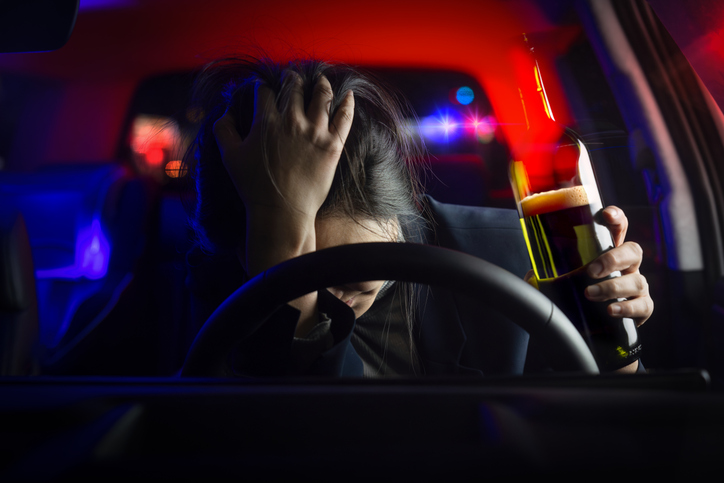
If you’ve been convicted of DUI in Chicago, you’re probably feeling overwhelmed. As a criminal defense attorney practicing in Cook County and across Illinois, I’ve seen how a DUI conviction can change someone’s life overnight. The roads in and around Chicago are heavily patrolled—especially in neighborhoods like Wicker Park, Bronzeville, Lincoln Park, and the Loop—so it’s not surprising that DUI arrests are common in this city.
Under Illinois law, driving under the influence is defined in 625 ILCS 5/11-501. This statute prohibits operating a motor vehicle with a blood alcohol content (BAC) of .08% or higher, while under the influence of alcohol, cannabis, drugs, or any intoxicating compound that impairs driving ability.
Depending on the facts of your case, your DUI may be charged as either a Class A misdemeanor or a felony (also known as “aggravated DUI”). A first or second DUI without aggravating factors is typically a misdemeanor. But you can be facing Class 4 felony charges or higher if:
- Someone was injured
- A child was in the car
- It’s your third or subsequent offense
- You were driving on a suspended license
- You caused a fatality
The distinction matters, because felonies carry longer jail terms, harsher license consequences, and a permanent criminal record.
So where does the appeal process come in? If you’ve already been convicted of a DUI, all hope isn’t lost. Illinois law provides pathways to challenge that conviction, but the process is technical and time-sensitive. That’s why you need a Chicago DUI defense lawyer who knows what to do from the minute your conviction is handed down.
Understanding the Criminal DUI Case Process in Illinois
In Illinois, a DUI arrest sets off a chain reaction in the criminal court system. If you’re accused of DUI in Chicago or surrounding counties, here’s what typically happens:
Investigation and Arrest: Most DUI cases begin with a traffic stop. Officers may claim they saw you swerve, run a light, or drive erratically. From there, they look for signs of impairment—slurred speech, odor of alcohol, bloodshot eyes, and unsteady movement.
Field Sobriety Tests and Chemical Testing: Law enforcement officers use field sobriety tests, breathalyzers, and blood or urine samples to build their case. Under Illinois implied consent law (625 ILCS 5/11-501.1), refusal to submit to chemical testing can trigger a license suspension—even before a criminal conviction.
Formal Charges: Once arrested, you’re formally charged and given a court date. Your case proceeds through the circuit court system, often beginning in Cook County Circuit Court, DuPage, Will, or Lake County, depending on where the stop occurred.
Trial or Plea Negotiations: Many cases are resolved through pretrial motions or plea agreements. Others go to trial. If you’re found guilty, you’ll be sentenced. That’s when the right to appeal kicks in.
But to mount a proper appeal, you must act quickly. Appeals are not a second chance to argue your case—they are legal proceedings designed to challenge errors made during your trial.
Can You Appeal a DUI Conviction in Illinois?
Yes, you can appeal a DUI conviction in Illinois—but not simply because you’re unhappy with the outcome. You must show that a legal mistake was made that substantially impacted the verdict or sentence. Examples include:
- Improper admission of evidence
- Jury instruction errors
- Violation of your constitutional rights
- Denial of a fair trial
- Misapplication of the law
Appeals in DUI cases must be filed within 30 days of sentencing under Illinois Supreme Court Rule 606. The process begins with a Notice of Appeal, followed by a review of the trial transcript, court records, and legal briefs.
As your attorney, I review every word of your case file to find reversible errors. Then I craft legal arguments and present them to the Illinois Appellate Court. If successful, your conviction may be reversed, remanded for a new trial, or your sentence modified.
This is not a time to cut corners. An appeal must be strategic, factually sound, and legally persuasive. Without the right attorney, your appeal can be dismissed before it even gets considered.
A DUI Appeal Case Example in a Chicago Neighborhood
Consider a fictional but realistic case I handled for a client in the Avondale area of Chicago. The defendant was stopped for speeding and ultimately arrested for DUI. He agreed to a breath test, which came back at 0.09%.
At trial, the judge allowed the arresting officer to testify about the client’s supposed failure of the field sobriety test—even though the video showed the performance was fair. We objected at trial, but the court allowed the testimony and convicted our client.
On appeal, we challenged the trial court’s admission of prejudicial testimony that contradicted objective video evidence. We also argued the breathalyzer was improperly calibrated and introduced without proper foundation.
The appellate court reviewed our arguments and ruled that the trial court erred in allowing misleading testimony that prejudiced the outcome. The conviction was reversed, and the client was given the opportunity for a new trial. We ultimately secured a dismissal based on the weakened evidence.
This illustrates how a carefully prepared appeal can produce life-changing results.
Types of Evidence Law Enforcement Uses in DUI Cases
When appealing a DUI, it’s essential to understand what evidence police rely on and how it may be flawed. Here’s what’s typically used:
Dashcam and Bodycam Video: Footage from CPD squad cars or officer body cameras may contradict the narrative in the police report.
Field Sobriety Test Results: These are subjective and often misinterpreted. Many factors—nerves, age, disability—can affect performance.
Breath, Blood, and Urine Tests: Breathalyzer machines can be faulty. Chain of custody problems can affect blood or urine test reliability.
Officer Testimony: Much of the prosecution’s case depends on what the arresting officer claims to have observed.
As your attorney, I attack these points methodically. If the officer lacked probable cause to stop you, or the testing process was flawed, these become powerful appellate arguments.
Why You Need a Criminal Defense Attorney for an Appeal
Appealing a DUI conviction isn’t just filing some paperwork and hoping for the best. The Illinois appellate process is governed by strict rules, deadlines, and legal formatting standards.
I’ve seen individuals try to handle an appeal on their own and lose the chance entirely. Here’s why having a criminal defense attorney matters at every stage:
- We identify legal errors in trial court proceedings
- We prepare and file all appellate briefs and motions
- We argue your case before the appellate court
- We protect your rights and advise you on outcomes
If you’ve been convicted of DUI in Chicago or the surrounding counties, don’t wait. A missed deadline can shut the door on your appeal forever.
What Legal Defenses May Apply to Your DUI Appeal?
Even after a conviction, certain legal defenses may still be available, depending on what happened in your case:
Unlawful Stop or Search: If police pulled you over without probable cause, or illegally searched your vehicle, that may be grounds for reversal.
Improper Admission of Evidence: If the court admitted evidence without proper foundation or ignored objections, it may be reversible.
Constitutional Violations: If your rights were violated—like not being read your Miranda rights—this can invalidate parts of the prosecution’s case.
Ineffective Assistance of Counsel: If your trial attorney failed to object to key issues or didn’t mount a reasonable defense, this can be a basis for appeal.
A successful appeal focuses on how the law was applied—not whether you were actually guilty. That’s why a seasoned Chicago DUI defense attorney is essential.
What to Look for in a DUI Defense Attorney in Illinois
When your future is on the line, not just any attorney will do. You need someone with courtroom experience, appellate experience, and a proven track record in Cook County, DuPage, Will, and Lake County.
Here’s what matters:
- Experience handling DUI appeals, not just trials
- Understanding of Illinois criminal procedure
- Familiarity with local judges and court rules
- Ability to identify and argue reversible errors
- Accessibility and clear communication
At my firm, I personally handle each appeal. I don’t pass off your case to junior staff. That’s what sets The Law Offices of David L. Freidberg apart.
What To Ask at Your Free Consultation With a Criminal Defense Attorney
When you meet with a defense attorney, your first conversation matters. Come prepared with questions like:
- Do you have experience handling DUI appeals in Illinois?
- What errors can you identify in my case that might support an appeal?
- What’s the appellate timeline and process?
- What are the potential outcomes of an appeal?
- Will you personally handle my case?
If the answers feel vague or rushed, keep looking. This is your future. You deserve an attorney who treats it that way.
Chicago DUI Defense FAQs – What You Need to Know
Can I appeal a DUI if I pled guilty?
In some cases, yes. If your guilty plea wasn’t knowing and voluntary, or if your attorney gave incorrect legal advice, you may have a basis to withdraw the plea and appeal.
How long do I have to file an appeal in Illinois?
You typically have 30 days from the date of sentencing. If you miss that window, you could lose the right to appeal.
What happens if my appeal is successful?
The appellate court may reverse your conviction, grant a new trial, or modify your sentence. Each case is different.
Can I get my license back if I win my appeal?
Possibly. If your DUI conviction is overturned, that may affect the status of your driving privileges.
Do I need a different attorney for the appeal?
Not always, but it’s often beneficial. Trial lawyers and appellate lawyers serve different roles. I handle both trial and appellate cases so there’s continuity and strategy.
Will an appeal stop me from serving jail time?
You may be able to request a stay of your sentence pending appeal. That’s another reason to act quickly and hire an experienced attorney.
Where are appeals heard in Chicago?
Appeals from the Cook County Circuit Court are heard in the Illinois First District Appellate Court, located in downtown Chicago.
Can I expunge a DUI conviction after an appeal?
If your conviction is overturned and charges dismissed, you may be eligible for expungement or sealing. DUI convictions that stand typically cannot be expunged in Illinois.
Why You Need an Attorney and Why You Should Call My Office
Illinois criminal law is unforgiving. Once you’re convicted of DUI, the consequences don’t stop at fines or a suspended license. A permanent criminal record, job loss, immigration issues, and family disruption can follow you for years.
Don’t let a single mistake define your future.
I’ve spent my career helping people across Chicago and the surrounding counties fight back against DUI charges and convictions. I’ll treat your case like it’s the only one I have—because to you, it is.
Let’s talk about what we can do to challenge your DUI conviction.
Call The Law Offices of David L. Freidberg Today
If you or someone you care about was convicted of DUI in Chicago or anywhere in Cook County, DuPage County, Will County, or Lake County, you may still have options. Appeals are time-sensitive. Don’t wait.
When You Need a Fighter, Call Us!
Whether you’re charged in downtown Chicago, Skokie, Maywood, Bridgeview, or Rolling Meadows, we’re ready. We appear regularly in courtrooms throughout Cook, DuPage, Will, and Lake Counties. And we don’t treat aggravated speeding as just another moving violation.
If you were arrested in Chicago, protect your future by contacting The Law Offices of David L. Freidberg. We have decades of experience handling DUI cases in Illinois. Our firm is available 24/7 to provide the legal defense you deserve.
Contact us today at (312) 560-7100 or toll-free at (800) 803-1442 for a free consultation. We’re available 24/7 to serve clients throughout Illinois, Cook County, DuPage County, Will County, and Lake County.