

I Don’t Know What I Would
Have Done Without Him...
Can a First DUI in Illinois Send You to Jail?
Understanding First-Offense DUI in Chicago and the Classification of Crimes in Illinois
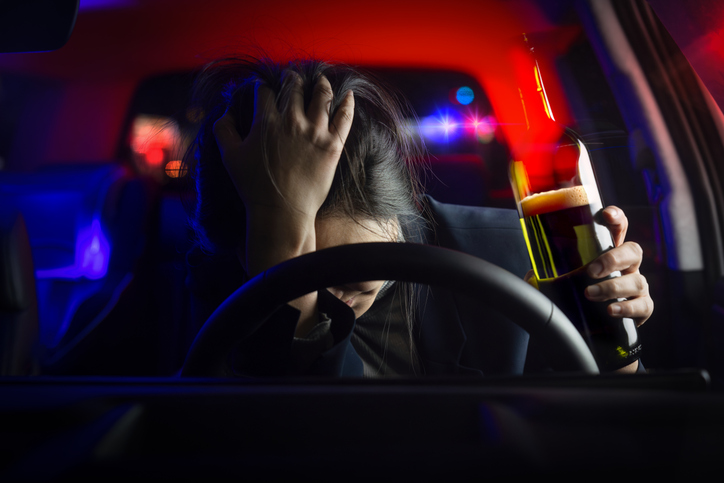
In Chicago, being arrested for DUI is far more common than people realize, especially for first-time offenders. From Lincoln Park to Austin, and from the North Shore suburbs to the West Side, individuals with no prior criminal history often find themselves in the back of a police car wondering, “Can I go to jail for a first DUI in Illinois?” The answer is yes—under the wrong circumstances, you absolutely can. But whether you will depends on multiple factors, including your behavior during the arrest, the quality of the evidence, and the experience of your Chicago DUI lawyer.
All criminal offenses in Illinois are classified as either misdemeanors or felonies. A first DUI in Illinois is typically charged as a Class A misdemeanor under 625 ILCS 5/11-501, which is the highest-level misdemeanor the state recognizes. This means it can result in up to 364 days in jail, fines up to $2,500, mandatory counseling, and a driver’s license suspension. Even though it’s a first-time offense, the law does not require leniency.
Illinois courts take DUI cases seriously, especially in Cook County. Many people assume that if they have no prior record, they’ll be let off with a warning or slap on the wrist. That’s simply not true. While jail time isn’t mandatory for a first DUI, prosecutors and judges have full discretion to impose it. The nature of the stop, the level of cooperation, and whether there were any aggravating factors—such as a minor in the car or a BAC over 0.16—can all affect sentencing.
For individuals charged in Chicago, cases are typically heard at the Richard J. Daley Center, 26th & California, or one of the suburban Cook County courthouses. Each judge, each courtroom, and each prosecutor’s office may treat first-time DUIs differently, but the risk of jail is always on the table.
This is why hiring a skilled Chicago criminal defense lawyer immediately after your arrest is critical. A knowledgeable attorney can evaluate the charges, gather evidence, and build a strategy to keep you out of jail and potentially keep the conviction off your record entirely.
How DUI Investigations and Arrests Work in Illinois
A DUI investigation in Illinois often begins with a routine traffic stop. The officer may claim you were speeding, weaving, or failed to signal. Once stopped, law enforcement looks for signs of impairment—bloodshot eyes, slurred speech, the smell of alcohol, or nervous behavior. These observations form the basis for asking you to step out of the vehicle for Standardized Field Sobriety Tests (SFSTs) like the walk-and-turn or one-leg stand.
If the officer believes there is probable cause to arrest you for DUI, they will typically offer a portable breath test (PBT)at the scene. While PBT results are not admissible in court, they often justify taking you into custody. At the station, you may be asked to take a breathalyzer. Refusing this test will trigger a Statutory Summary Suspension (SSS) of your license under Illinois’ implied consent law—even if you’re never convicted.
Once arrested, you’ll be booked, fingerprinted, and issued a court date. In Cook County, you may be held overnight before appearing in court. The court process includes arraignment, status hearings, and—if unresolved—a trial. The administrative license suspension and the criminal DUI charge are two separate tracks. You must act quickly to demand a hearing within 30 days to contest your license suspension. Your DUI defense lawyer in Chicago should handle both aspects of the case.
The arrest triggers lasting consequences—court appearances, fees, monitoring, and license problems—even before any conviction occurs. This is why it’s vital to get legal help early.
How Judges View Missed Check-Ins, Curfew Violations, and Other Technical Issues
When you’re charged with a DUI in Illinois—whether misdemeanor or felony—you’re placed under the supervision of the court system. That means complying with certain pretrial conditions like:
- Reporting to Pretrial Services
- Showing up to all court dates
- Not drinking or using drugs
- Abiding by a curfew
- Wearing an alcohol monitoring device, in some cases
In Chicago, these requirements are common, especially for first-time DUI defendants released on bond. But if you miss a check-in, arrive late, fail to make a scheduled payment, or violate your curfew, you may be facing what the court calls a technical violation.
Judges distinguish between technical violations and substantive violations. A technical violation is something like a missed appointment. A substantive violation would be getting arrested again or failing a drug or alcohol test. But don’t be fooled—judges in Cook County do not ignore technical violations, especially when they occur more than once.
Even for a first-time DUI, repeated missed appointments or late payments suggest to the court that the defendant is not taking their charges seriously. This may affect plea negotiations, increase bond amounts, or make the court more likely to impose jail time at sentencing. It also damages your credibility, making it harder for your Chicago DUI lawyer to argue for leniency.
The best defense includes staying in compliance with every court order. If you fall out of compliance, your attorney must act quickly to explain the situation to the judge and prevent harsher consequences.
Realistic Example Case and DUI Defense Strategy
Let’s consider a realistic example from the Irving Park neighborhood. A woman is pulled over after midnight for allegedly rolling through a stop sign. The officer notes slurred speech and glassy eyes. She admits to having a couple of glasses of wine earlier. She is asked to perform field sobriety tests and, according to the officer’s report, fails them. She is arrested for DUI and blows a 0.09 on the breathalyzer at the station.
This looks like a standard first-offense DUI. No accident, no prior history, no aggravating factors. But here’s where things can change quickly. The dashcam footage shows the stop sign was partially blocked by a tree limb. The field sobriety tests were performed on uneven pavement, near traffic noise, and the officer gave incorrect instructions on the walk-and-turn.
As her Chicago criminal defense attorney, I file a motion to suppress based on an unlawful stop and flawed field testing. I also request bodycam footage, which contradicts parts of the arrest report. The judge agrees to exclude the results of the SFSTs due to improper administration. The state loses its strongest evidence, and the DUI charge is reduced to reckless driving—avoiding a conviction and license revocation.
This type of outcome isn’t rare. But it requires fast, strategic legal work and an understanding of how Cook County judges treat DUI cases. Without a defense lawyer, this client might have accepted supervision or even jail time without knowing her rights.
What Evidence Do Police Use in DUI Cases—and What Can Be Challenged?
In a typical DUI case, the state relies on multiple sources of evidence to try to prove impairment. This includes:
- Officer observations (odor, speech, behavior)
- Field sobriety test results
- Breathalyzer or blood test results
- Dashcam or bodycam footage
- Witness testimony
- Statements made by the defendant
- The actual driving behavior observed (speeding, swerving, etc.)
All of this can be challenged by a skilled Chicago DUI lawyer. Officers often overstate signs of impairment in their reports. SFSTs are subjective and must be administered under strict guidelines. Breath tests are only valid if the machine is properly calibrated and the operator is certified.
Police procedures vary from district to district in Chicago, and corners are often cut. Your attorney can file motions to suppress evidence based on illegal stops, insufficient probable cause, or technical flaws in testing and paperwork.
Without an attorney to challenge this evidence, the court will assume it is accurate and sufficient to convict. But every piece of evidence has weaknesses—and a strong defense can expose them.
Illinois DUI Court Process and Why You Need a Lawyer for Every Step
The court process for DUI in Illinois includes several key stages. It begins with arraignment, where charges are read. Then come pretrial conferences, discovery, and possibly trial. Each of these stages presents opportunities for your Chicago DUI attorney to push back against the case.
- At arraignment, we can challenge bail and advocate for non-restrictive release.
- During discovery, we demand the state produce all videos, test records, and police reports.
- At pretrial hearings, we can argue motions to suppress evidence or dismiss charges.
- In negotiations, we work to reduce the DUI to reckless driving or arrange court supervision.
- If the case goes to trial, we cross-examine officers, challenge the test results, and raise reasonable doubt.
Every one of these steps is critical. Without legal counsel, you risk missing filing deadlines, forfeiting license rights, and walking into court unprepared.
Even for a first DUI offense, Cook County prosecutors are under pressure to enforce the law harshly. Hiring a Chicago criminal defense lawyer gives you the chance to protect your record, avoid jail, and keep your license.
Qualities to Look for in a Chicago Criminal Defense Attorney
When looking for a lawyer to defend your first DUI charge, you need someone who:
- Practices criminal law full-time in Cook County
- Has experience with DUI cases, especially first offenses
- Understands the science behind breath and blood tests
- Knows the local judges and prosecutors
- Offers clear communication and transparency
- Is willing to go to trial if necessary
Ask any potential attorney if they’ve handled cases like yours. Ask if they’ve argued motions to suppress or taken DUI cases to trial. The best outcome starts with hiring the right legal advocate.
Questions to Ask at Your DUI Defense Consultation
During your consultation with a Chicago DUI lawyer, ask:
- What are the chances I’ll go to jail for this?
- Can I get supervision or a reduction to reckless driving?
- Will this stay on my record forever?
- How do you challenge the evidence in cases like mine?
- Do I qualify for a license hardship permit?
- What is your approach to pretrial motions and negotiation?
Don’t be afraid to ask for a step-by-step overview of your case and timelines. A good attorney will make the process clearer, not more confusing.
Chicago DUI Law FAQs
Can you go to jail for a first DUI in Chicago even if no one was hurt?
Yes. A first-time DUI is a Class A misdemeanor in Illinois and carries up to 364 days in jail. Jail is not mandatory for first offenses, but judges can impose it, especially if your BAC was high or you failed to comply with court conditions. A Chicago DUI lawyer can help you avoid jail by building a strong defense or negotiating alternative sentencing.
What happens if I miss a court date or check-in during my DUI case?
Missing a court date or pretrial check-in in Cook County is a serious issue. A bench warrant may be issued, and your bond could be revoked. Repeated violations may make the judge less willing to offer leniency or alternative sentencing. A Chicago criminal defense lawyer can sometimes address these issues before they escalate and keep your case on track.
Will I lose my license for a first DUI in Illinois?
Yes, unless you demand a hearing. After a DUI arrest, your license will be automatically suspended 46 days later unless your lawyer files for a statutory summary suspension hearing within 30 days. If you win that hearing, you keep your license. A DUI lawyer in Chicago can guide you through this separate process.
Can I get court supervision for my first DUI in Chicago?
If you’re eligible and the facts support it, court supervision is often available for first-time DUI offenders. This avoids a conviction if you meet all conditions, such as attending alcohol classes and avoiding new offenses. Your Chicago DUI attorney will work to convince the court and prosecutor that supervision is appropriate in your case.
Is DUI a criminal offense or just a traffic violation in Illinois?
DUI is a criminal offense in Illinois, not a simple traffic ticket. It goes on your permanent criminal record and cannot be expunged if you are convicted. That’s why it’s critical to fight the charge with help from a criminal defense attorney in Chicago who knows how to protect your record.
Why You Need a Lawyer and Why to Choose The Law Offices of David L. Freidberg
First-time DUI charges may seem manageable, but the legal system in Chicago does not take these cases lightly. Jail, license loss, and a lifelong record are real risks. Without the help of a private attorney, your chances of avoiding these penalties are slim.
At The Law Offices of David L. Freidberg, we’ve spent decades defending people just like you—people who never imagined they’d face a criminal charge. We understand how to approach first offenses, how to present your best case, and how to fight to protect your future.
Call Now to Defend Your License and Your Freedom
Whether you’re charged in downtown Chicago, Skokie, Maywood, Bridgeview, or Rolling Meadows, we’re ready. We appear regularly in courtrooms throughout Cook, DuPage, Will, and Lake Counties. And we don’t treat aggravated speeding as just another moving violation.
If you were arrested in Chicago, protect your future by contacting The Law Offices of David L. Freidberg. We have decades of experience handling DUI cases in Illinois. Our firm is available 24/7 to provide the legal defense you deserve.
Contact us today at (312) 560-7100 or toll-free at (800) 803-1442 for a free consultation. We’re available 24/7 to serve clients throughout Illinois, Cook County, DuPage County, Will County, and Lake County.