

I Don’t Know What I Would
Have Done Without Him...
Can A DUI On A Golf Cart Be A Felony In Illinois? Understanding The Law In Chicago And Beyond
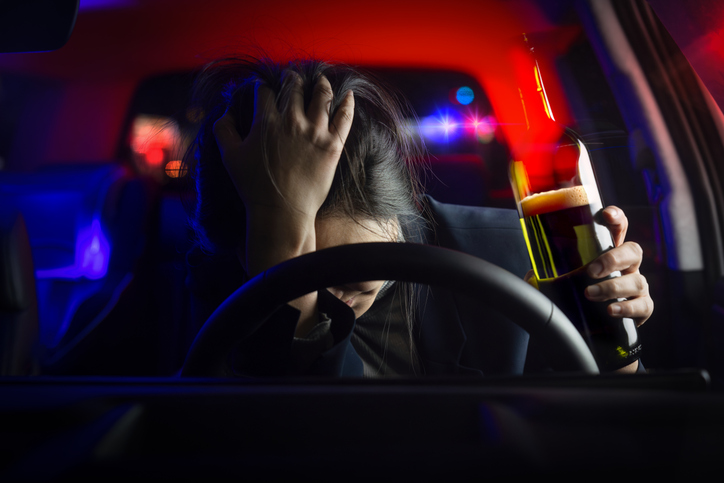
Driving under the influence (DUI) charges can take many forms across Chicago, Illinois—including ones that might surprise you. One question that often comes up, especially in neighborhoods like Lincoln Park, Bucktown, and along the lakefront paths, is: Can you face DUI charges for operating a golf cart? The short answer is yes—and in some cases, it can escalate to a felony.
Illinois has some of the most detailed DUI laws in the country, and the City of Chicago aggressively enforces them. Whether you’re pulled over in a traditional vehicle or a non-conventional one like a golf cart, if law enforcement believes you’re impaired, you could be arrested, charged, and even face felony penalties under certain conditions.
Let me explain how these cases unfold, what statutes apply, what the potential penalties are, and why hiring a skilled Chicago DUI attorney is essential from day one.
DUI On A Golf Cart: When Is It A Crime In Illinois?
In Illinois, the DUI law under 625 ILCS 5/11-501 makes it unlawful to operate “any vehicle” under the influence of alcohol, drugs, or intoxicating compounds. While many people assume this only applies to cars and trucks, the statute’s language is broad enough to include non-traditional vehicles like golf carts, ATVs, scooters, and more—so long as they are operated on public roadways.
That includes golf carts operating on:
- Public roads in residential neighborhoods
- Park district paths
- Campus roads or large property estates open to the public
- Any street designated for limited low-speed vehicle use
Illinois doesn’t carve out an exception for golf carts when it comes to DUI charges. If you’re over the legal limit (.08 BAC) or impaired by drugs or alcohol while operating one, you can face misdemeanor or felony DUI charges depending on your prior history or whether aggravating factors are present.
When Can A DUI On A Golf Cart Be Charged As A Felony?
Illinois law outlines multiple scenarios where a DUI charge—even on a golf cart—can rise to the level of a felony. These are called aggravated DUIs and are covered under 625 ILCS 5/11-501(d).
Felony-level DUI charges can apply if:
- You have two or more prior DUI convictions (third DUI = Class 2 felony)
- You were driving without a valid license or insurance
- There was a passenger under the age of 16 during the incident
- The DUI resulted in bodily harm to another person
- You caused a fatality (DUI manslaughter = Class 2 felony or higher)
That means someone operating a golf cart while intoxicated, and striking a pedestrian or causing injury, could face a Class 4 or Class 2 felony, depending on the injury’s severity and the driver’s record.
Golf carts may be seen as less serious vehicles, but the law doesn’t treat them any differently when impairment is involved.
A Fictional Case Example From Chicago’s Lincoln Square Neighborhood
Imagine a man in Lincoln Square attending a summer block party. He consumes alcohol and, later that evening, decides to give neighborhood kids a ride on his modified golf cart that he frequently uses for landscaping. While driving down a side street, he swerves and sideswipes a parked vehicle, narrowly missing a cyclist.
Police arrive, conduct a field sobriety test, and later confirm a BAC of 0.11. He’s arrested for DUI. Unfortunately, the situation gets worse when it’s discovered he has a prior DUI from five years ago and that one of the children on board was under 16.
Now, he’s facing Aggravated DUI charges under 625 ILCS 5/11-501(d)(1)(J)—a Class 2 felony due to the presence of a child passenger and prior DUI. This means a possible sentence of 3–7 years in prison if convicted, even though he was only operating a golf cart in his own neighborhood.
What Happens After You’re Arrested For DUI In Illinois?
After the initial stop, if law enforcement suspects impairment, they may conduct field sobriety testing or request a breathalyzer or blood draw. Once probable cause is established, an arrest follows. Here’s how the process unfolds in a Chicago or Cook County court:
First Appearance / Bond Hearing: Within 24-48 hours of arrest, you’ll appear in court. The judge sets bond and conditions of release.
Preliminary Hearing or Indictment: Prosecutors must establish probable cause. For felony cases, a grand jury may be involved.
Discovery and Pretrial Motions: This phase involves reviewing the prosecution’s evidence—police reports, body cam footage, breath or blood tests—and filing motions to suppress unlawful evidence.
Trial: Felony DUI trials in Illinois are held before a judge or jury. The prosecution must prove impairment beyond a reasonable doubt.
Sentencing: If convicted, sentencing occurs after a pre-sentencing investigation and can range from probation to years in prison.
Hiring an attorney from the very beginning is critical. Errors made early in the process—like making statements without counsel—can later be used to secure a conviction.
What Evidence Will Prosecutors Try To Use?
Prosecutors rely on multiple types of evidence in DUI cases—regardless of the vehicle. In golf cart DUIs, the same rules apply. Evidence may include:
- Officer observations (slurred speech, odor of alcohol, unsteady gait)
- Field sobriety test results
- Breathalyzer or blood test results
- Video footage from dash cam or body cam
- Civilian witness statements
- Photographs of the vehicle, accident scene, or injuries
In many DUI arrests involving golf carts, law enforcement must also prove that the golf cart was operated on a public way or road, since private property DUI enforcement is more limited in scope.
An experienced Chicago DUI attorney will scrutinize the validity of the stop, the administration of tests, and any mishandling of evidence that could lead to case dismissal or reduction.
Legal Defenses That Can Apply In A Golf Cart DUI Case
Every DUI case depends on facts. Here are some common defenses that can be used when defending against DUI charges related to a golf cart:
- No legal basis for the traffic stop: If the stop was made without reasonable suspicion, the arrest can be challenged.
- Golf cart was not on public property: If the cart was only operated on private land, the DUI statute may not apply.
- Faulty chemical test: Blood or breath test results can be challenged for accuracy, calibration, and procedural compliance.
- Improperly administered field sobriety tests: Officers must follow strict NHTSA guidelines. Any deviations can discredit the results.
- No probable cause for arrest: If observations didn’t rise to the level of probable cause, the arrest could be deemed unlawful.
Each defense needs to be raised strategically during pretrial and trial stages by a seasoned criminal defense attorney in Illinois.
Why Hiring An Experienced Chicago DUI Attorney Is Critical
Facing DUI charges in Cook County or surrounding areas like DuPage, Will, or Lake County can feel overwhelming. But it’s a mistake to think that you can handle these charges alone—especially if the DUI involves a non-conventional vehicle like a golf cart.
As an experienced criminal defense attorney in Chicago, I work to protect your rights at every stage. This includes:
- Ensuring your constitutional rights weren’t violated during the stop or arrest
- Analyzing every detail of the evidence for weaknesses
- Negotiating for reduced charges or alternatives to jail time
- Defending your case at trial if necessary
- Helping minimize long-term damage to your criminal record and career
A conviction for DUI—even one involving a golf cart—can affect your ability to get a job, drive, or pass a background check. In felony cases, it can result in prison time and lifelong consequences.
Questions To Ask A DUI Defense Attorney During A Free Consultation
During your initial consultation, ask:
- How many DUI cases have you handled in Cook County?
- Do you have experience with non-traditional DUI cases like golf carts or scooters?
- Will you be personally handling my case or handing it off?
- What defenses do you see based on the facts I’ve shared?
- What are my chances of getting the charges reduced or dismissed?
- What are the short- and long-term consequences if I’m convicted?
A knowledgeable attorney will give you honest answers and explain the legal process in plain language. Don’t settle for general advice. You need someone who has real courtroom experience in Chicago criminal courts.
Why Choose The Law Offices Of David L. Freidberg
When you’re charged with DUI—whether in a car, golf cart, or any other vehicle—you need a lawyer who knows Illinois DUI law inside and out. With decades of trial experience in Chicago, I’ve successfully defended thousands of clients facing DUI and felony charges.
Our firm handles every stage of your case:
- Immediate representation during bond court
- Aggressive motions to suppress unlawful evidence
- Skilled negotiation with prosecutors
- Confident trial strategy when necessary
- Expungement guidance if applicable
If you’ve been charged with DUI in Chicago, Cook County, DuPage County, Will County, or Lake County, don’t wait. Call The Law Offices of David L. Freidberg to schedule your free consultation.
When You Need a Fighter, Call Us!
Whether you’re charged in downtown Chicago, Skokie, Maywood, Bridgeview, or Rolling Meadows, we’re ready. We appear regularly in courtrooms throughout Cook, DuPage, Will, and Lake Counties. And we don’t treat aggravated speeding as just another moving violation.
If you were arrested in Chicago, protect your future by contacting The Law Offices of David L. Freidberg. We have decades of experience handling DUI cases in Illinois. Our firm is available 24/7 to provide the legal defense you deserve.
Contact us today at (312) 560-7100 or toll-free at (800) 803-1442 for a free consultation. We’re available 24/7 to serve clients throughout Illinois, Cook County, DuPage County, Will County, and Lake County.