

I Don’t Know What I Would
Have Done Without Him...
Can a DUI arrest affect my medical residency in Illinois?
DUI Arrests and Professional Consequences for Medical Residents in Chicago
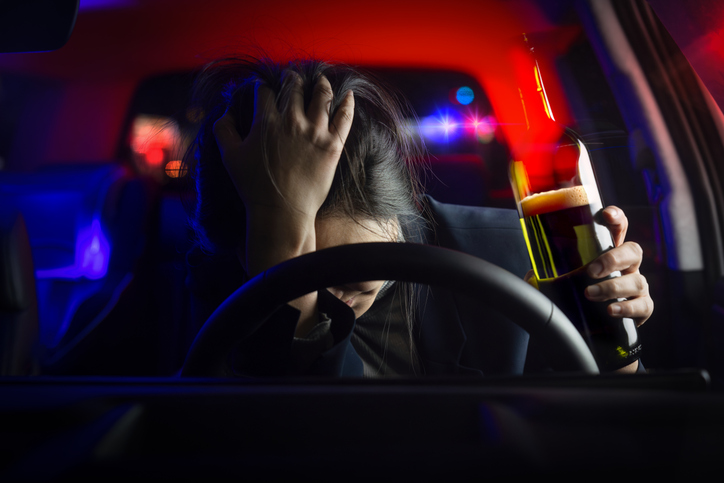
Chicago is home to some of the most prestigious hospitals and medical schools in the country—Rush University Medical Center, Northwestern Memorial, and the University of Chicago Hospitals among them. Every year, thousands of residents come to Cook County to begin the next phase of their medical training. Yet a single DUI arrest in Illinois can jeopardize everything you have worked for, from your license to practice medicine to your residency placement.
Under 625 ILCS 5/11-501, Illinois law defines driving under the influence as operating a motor vehicle while impaired by alcohol, drugs, or any intoxicating compound. Even a first-offense DUI is a Class A misdemeanor, punishable by up to one year in jail and fines of up to $2,500. If aggravating factors exist—such as a high BAC of 0.16 or higher, a passenger under 16, or an accident causing great bodily harm—the offense can rise to a Class 4 felony or higher.
For medical professionals, a DUI carries weight far beyond criminal court. Every arrest triggers a report to the Illinois Department of Financial and Professional Regulation (IDFPR) and the Illinois Medical Licensing Board, both of which can initiate disciplinary proceedings. Even a deferred or dismissed case must often be disclosed on credentialing and renewal applications.
Hospitals in Chicago and throughout Cook County conduct extensive background checks on residents, and a DUI arrest—even before conviction—can raise questions about reliability, honesty, and professional conduct. As a Chicago criminal defense attorney, I have represented countless professionals, including medical students and residents, whose careers were at risk because of an isolated mistake or misunderstanding during a traffic stop.
The Illinois DUI Arrest and Criminal Case Process
Every criminal case in Illinois begins with an arrest and the filing of charges by the State’s Attorney’s Office. For DUI arrests, law enforcement must establish probable cause that a person was driving or in actual physical control of a vehicle while impaired. Officers typically gather field sobriety test results, breath or blood tests, and police observations, all of which become evidence.
After the arrest, the accused will receive a Notice of Statutory Summary Suspension, which automatically suspends driving privileges 46 days after the arrest unless the defense files a Petition to Rescind under 625 ILCS 5/2-118.1. This administrative hearing runs parallel to the criminal case in court.
The first formal appearance, or arraignment, is where the court advises the defendant of the charges and sets bond conditions. For a medical resident, bond terms can affect work schedules and hospital rotations, especially if alcohol monitoring devices or travel restrictions are imposed.
Next comes discovery and pretrial motions, where your defense attorney challenges the evidence—questioning whether the traffic stop was lawful, whether field tests were properly conducted, and whether chemical testing followed Illinois State Police standards. A motion to suppress evidence under the Fourth Amendment can sometimes lead to dismissal if the stop or arrest lacked probable cause.
If the case proceeds to trial, the prosecution must prove guilt beyond a reasonable doubt. In misdemeanor DUI cases, a bench trial before a Cook County judge may be appropriate; in felony DUI, the defense can demand a jury trial. The outcome will determine not only potential jail or probation but also professional repercussions for a medical resident’s future.
Example Case: A Resident Doctor in Lincoln Park
Consider a realistic example: a 28-year-old internal-medicine resident driving home from a late shift at a hospital in Lincoln Park was stopped after an officer observed a wide right turn. The officer noted a mild odor of alcohol and red eyes. The resident had consumed one glass of wine at dinner and agreed to perform field sobriety tests on little sleep. The officer claimed “clues of impairment” and made an arrest.
At my firm, we obtained squad-car footage showing the client’s balance and coordination were normal. We also secured time-stamped hospital records proving the resident had worked 14 hours straight before the stop, explaining fatigue-related indicators. By filing a motion to suppress based on lack of probable cause and challenging the field-test interpretation, the judge dismissed the DUI charge. Because the case was resolved early, we petitioned to expunge the arrest record under 20 ILCS 2630/5.2, protecting the resident’s professional future.
This illustrates how quick legal action and a thorough defense can preserve not only freedom but also a medical career that took years to build.
Evidence Used by Law Enforcement in Illinois DUI Cases
Prosecutors in Cook County rely on multiple forms of evidence, and understanding each is essential for a successful defense. Police will seek chemical evidence, such as breath, blood, or urine tests, to establish a blood alcohol concentration of 0.08 or higher. They also collect physical evidence, including field sobriety test performance, dash-cam and body-cam footage, and officer observations about odor, speech, or coordination.
Documentary evidence—the police report, maintenance logs for the breathalyzer, and lab certifications—often reveal procedural mistakes. Under 20 IL Admin Code 1286, instruments must be calibrated every 62 days. Failure to comply can make the test results inadmissible.
Additionally, officers may seek witness statements from passengers or bystanders and even use social media posts or cell-phone records to establish timelines. A Chicago criminal defense lawyer’s job is to scrutinize every piece of evidence for inconsistencies, incomplete chain of custody, and constitutional violations.
For professionals like medical residents, any statement made to police—however informal—can later appear in disciplinary reviews. That is why invoking your right to remain silent and requesting counsel immediately is vital.
Penalties, Collateral Consequences, and the IDFPR
A first-offense DUI conviction in Illinois carries potential jail time of up to one year, fines up to $2,500, mandatory alcohol evaluation and treatment, and a license suspension of at least six months. If aggravating factors elevate the offense to a felony, penalties may include prison time from one to three years for a Class 4 felony, or more for repeat offenders.
Yet the collateral consequences for a medical resident are often more severe. The IDFPR may initiate an investigation under the Medical Practice Act of 1987 (225 ILCS 60/1 et seq.), reviewing whether the incident reflects unprofessional conduct or substance misuse. Hospitals and residency programs can suspend or terminate contracts pending outcome, and the National Practitioner Data Bank (NPDB) may receive a report if discipline is imposed.
In addition, visa-holding residents—many of whom train in Chicago on J-1 or H-1B status—face immigration complications, since certain convictions can trigger visa revocation or affect future credentialing. An attorney experienced in both criminal and professional-license defense can coordinate with licensing counsel to mitigate these risks.
The Criminal Defense Process in Illinois Courts
From arrest through final resolution, the Illinois criminal defense process requires strategic attention at each step. After arraignment and bond, the court sets status dates for discovery and pretrial conferences. A seasoned Chicago defense lawyer works to suppress evidence, negotiate reductions, or seek diversion programs like court supervision for eligible first offenders under 730 ILCS 5/5-6-3.1. Successful completion of supervision avoids a conviction record, preserving licensure eligibility.
If a case proceeds to trial, both sides present witnesses, cross-examinations, and expert testimony on breath or blood analysis. The defense may introduce medical or scientific evidence to explain test results, such as GERD, ketosis, or improper testing procedure. After verdict, sentencing follows 730 ILCS 5/5-4-1, where mitigating evidence—community service, good character, or professional commitments—can reduce punishment.
For medical residents, plea negotiations must also consider hospital policy, IDFPR reporting obligations, and future board applications. A defense lawyer familiar with these professional layers ensures that any plea or supervision is structured to protect your career.
Legal Defenses Available in an Illinois DUI Case
Every DUI defense depends on the facts, but common strategies include challenging the legality of the traffic stop under the Fourth Amendment and probable cause for arrest. Field sobriety tests can be attacked as subjective and unreliable, especially when fatigue or medical conditions mimic impairment.
Breath and blood tests often fail due to machine calibration errors, operator certification lapses, or violations of the 20 IL Admin Code 1286 procedural safeguards. A skilled attorney can cross-examine the arresting officer and toxicologist to highlight these weaknesses.
Defenses also include asserting rising blood alcohol—where the BAC was below 0.08 at the time of driving but rose afterward—or demonstrating that the defendant was not in actual physical control of the vehicle (for example, sleeping in a parked car without the engine running).
Each of these defenses can be decisive in avoiding conviction and protecting a medical resident’s standing before hospital boards and licensing authorities.
Why a Chicago Criminal Defense Lawyer Is Essential for Medical Residents
Attempting to handle a DUI alone is a mistake. Medical residents often underestimate how quickly information travels between criminal courts, the IDFPR, and hospital credentialing offices. Without a defense lawyer, statements made in court or to investigators can later appear in disciplinary records.
An experienced attorney not only fights the criminal charges but also works proactively to shield professional credentials. At The Law Offices of David L. Freidberg, I coordinate with licensing consultants, residency directors, and character-and-fitness committees to manage disclosure obligations while protecting constitutional rights.
Residents spend years building trust, and one arrest should not define an entire career. From first court appearance in the Richard J. Daley Center to post-case expungement, legal representation ensures every decision safeguards your freedom, license, and reputation.
Qualities to Look for in a Criminal Defense Attorney in Illinois
Choosing the right attorney means finding someone with deep familiarity with both criminal statutes and professional-license implications. Look for a Chicago defense lawyer who regularly appears in Cook County Circuit Court and has handled cases involving professionals, including physicians and nurses.
Communication is key. You need a lawyer who explains procedures in plain language, provides realistic expectations, and personally attends hearings—not someone who delegates everything to staff. Experience with suppression motions, trial work, and expungement petitions under 20 ILCS 2630/5.2 is critical.
The attorney should also understand confidentiality under HIPAA and how to coordinate criminal defense with potential IDFPR responses. In your consultation, evaluate whether the lawyer outlines a defense plan specific to your situation rather than generic assurances.
Questions to Ask During Your Free Consultation
Before hiring a criminal defense attorney, ask about their experience with DUI cases involving licensed professionals. Inquire how many DUI dismissals or reductions they have obtained in Cook or DuPage County courts. Ask how they communicate with clients, how often they appear personally in court, and whether they can assist with record sealing or expungement afterward.
Also, ask about strategy: Will they challenge probable cause? File motions to rescind summary suspension? Negotiate supervision to avoid conviction? A confident attorney will explain each step clearly, outline potential timelines, and discuss how to minimize professional repercussions.
Finally, confirm availability. Criminal defense requires responsiveness, especially for residents working irregular hospital hours. The Law Offices of David L. Freidberg offers 24/7 availability because arrests do not happen on a schedule.
Illinois DUI Defense FAQs
Can a DUI in Chicago lead to losing my medical license even if I am not convicted?
Yes. The Illinois Department of Financial and Professional Regulation can open an investigation upon mere arrest if the conduct suggests impairment. Even if your case is dismissed, you may be required to disclose the arrest to hospital credentialing bodies.
If I’m a medical resident with a restricted driver’s license, can I still drive to the hospital?
In many cases, yes. Your attorney can petition for a Monitoring Device Driving Permit under 625 ILCS 5/6-206.1, allowing travel to and from work. This is crucial for residents whose hospital shifts require driving.
How soon after a DUI arrest should I contact an attorney?
Immediately. Filing deadlines for petitions to rescind license suspensions are short—often within 90 days. Early representation helps preserve evidence and prevent harmful statements.
Does court supervision count as a conviction in Illinois?
No. Successful completion of supervision avoids a criminal conviction on your record, though it remains visible to law enforcement and licensing boards during background checks.
Can a DUI arrest in Cook County affect future medical board applications outside Illinois?
Yes. The National Practitioner Data Bank and Federation of State Medical Boards share information, so disclosure is often mandatory. A criminal defense lawyer can guide how to report it properly to prevent misrepresentation claims.
Are DUI checkpoints legal in Chicago?
Yes, if conducted under constitutional guidelines requiring neutral site selection and minimal intrusion. Evidence obtained in unlawful checkpoints can be suppressed.
Can a DUI affect my immigration status if I’m a foreign medical resident?
Possibly. Some DUI convictions can lead to visa issues or delays in residency renewal. Your attorney can work with immigration counsel to reduce or avoid immigration consequences.
What happens if I refuse a breath test?
Refusal triggers an automatic one-year license suspension under 625 ILCS 5/11-501.1, but it also deprives prosecutors of key evidence. Your lawyer will assess whether refusal benefits your defense.
Can my record be cleared after dismissal?
Yes. DUI arrests resulting in dismissal or acquittal can be expunged under 20 ILCS 2630/5.2, permanently removing them from public view.
Where will my case be heard in Chicago?
Most DUI cases in the city are prosecuted at the Richard J. Daley Center (50 W. Washington St.) or the Leighton Criminal Courthouse (2650 S. California Ave.) depending on the charge level.
Why You Need The Law Offices of David L. Freidberg
Defending a DUI arrest as a medical resident is not only about avoiding fines or jail—it’s about preserving your future in medicine. I understand how a single police report can derail years of sacrifice. At The Law Offices of David L. Freidberg, I approach every case as if your livelihood depends on it—because it does.
With decades of experience defending DUI and criminal cases throughout Chicago, Cook County, DuPage County, Will County, and Lake County, I fight to protect your license, reputation, and freedom. Whether challenging test accuracy, filing motions to dismiss, or negotiating outcomes that keep your record clean, my goal is simple: to give you the second chance you deserve.
When You Need a Fighter, Call Us!
If you were arrested in Chicago, protect your future by contacting The Law Offices of David L. Freidberg. We have decades of experience handling criminal, DUI, and traffic cases in Illinois. Our firm is available 24/7 to provide the legal defense you deserve.
Contact us today at (312) 560-7100 or toll-free at (800) 803-1442 for a free consultation. We’re available 24/7 to serve clients throughout Illinois, Cook County, DuPage County, Will County, and Lake County.