

I Don’t Know What I Would
Have Done Without Him...
Lack of Probable Cause DUI Defense: The Officer Didn’t Have Legal Grounds to Stop or Arrest You
Understanding DUI Stops in Chicago: Why Probable Cause Matters
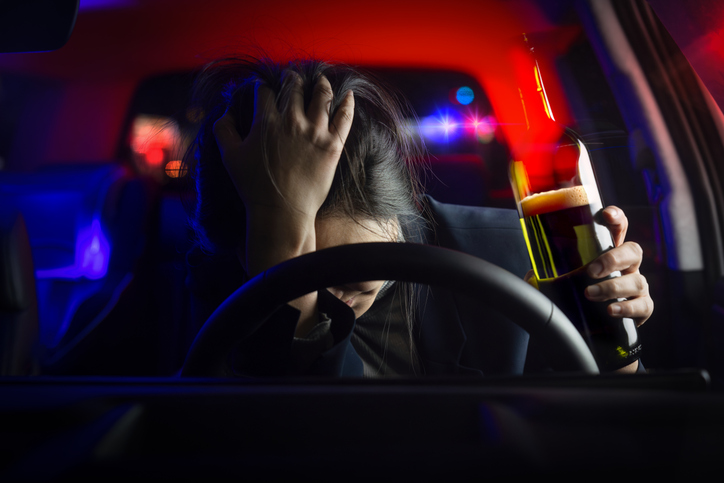
In Chicago, DUI arrests happen every day — especially in busy nightlife districts like Wrigleyville, River North, or the South Loop. But not every arrest is legally valid. As a DUI defense lawyer serving Chicago for decades, I’ve seen countless cases where the entire prosecution fell apart because the officer lacked probable cause. Whether the case begins with a minor traffic stop or a so-called checkpoint, every DUI arrest must start with a lawful basis. If that doesn’t happen, the entire case can be challenged.
Under Illinois law, all criminal offenses, including DUI, begin with an investigation, followed by an arrest, charges, and a criminal court process. For a DUI stop to be legal in the first place, the officer must have a specific and articulable reason to pull you over. That’s true whether it’s a misdemeanor DUI charge under 625 ILCS 5/11-501(a) or a felony aggravated DUI under 625 ILCS 5/11-501(d).
When you’re charged with DUI, it’s usually a misdemeanor. But aggravating factors — like a prior conviction, driving without a license, or having a child in the car — can raise it to a felony. No matter the severity, all cases depend on the initial traffic stop being legal. If there’s no valid reason for the stop or arrest, your case may be subject to dismissal.
The Criminal Case Investigation and Arrest Process in Illinois
All DUI cases in Illinois follow a similar path. It starts with an officer’s observations — maybe you were weaving, had a headlight out, or rolled through a stop sign. That initial moment is crucial. The officer is required to have reasonable suspicion that a law has been broken. From there, they may request your license and registration and begin asking questions.
If the officer claims they smell alcohol, notice slurred speech, or see red eyes, they may ask you to step out of the vehicle. Field sobriety tests may follow — such as the walk-and-turn, horizontal gaze nystagmus, or one-leg stand. You may be asked to take a breath test.
If the officer decides to arrest you for DUI, they must have probable cause, a higher standard than reasonable suspicion. This means they must have a factual basis for believing you committed the offense. If they fail to meet this standard, anything gathered after that point — including breath test results or statements — may be thrown out.
In Illinois, once you’re arrested, you may be booked, fingerprinted, and held until bail is set or until you’re released with a court date. If you refuse chemical testing, your license may be automatically suspended under the statutory summary suspension law — even if you’re never convicted.
What Penalties and Consequences You Could Face If Convicted
If you’re convicted of DUI in Illinois, the penalties can vary widely depending on the facts of the case and your record. A first-time DUI is a Class A misdemeanor, punishable by up to 364 days in jail, a $2,500 fine, and mandatory driver’s license suspension. You may also be required to attend alcohol education or treatment and install a BAIID device (breath ignition interlock) in your vehicle.
Subsequent offenses carry harsher penalties. A second DUI includes mandatory jail time or community service. A third DUI becomes a Class 2 felony, punishable by three to seven years in prison. Even without a conviction, the statutory summary suspension can leave you without a license for up to three years.
DUI convictions stay on your permanent criminal record in Illinois — they cannot be expunged or sealed. That means future employers, landlords, schools, or licensing boards can see it, often resulting in job loss, housing issues, or professional licensing problems.
How Lack of Probable Cause Can Lead to a Full Dismissal
One of the most powerful defenses to a DUI charge in Illinois is lack of probable cause. If the officer didn’t have a valid legal reason to initiate the traffic stop, any evidence gathered afterward may be ruled inadmissible under the Fourth Amendment. That includes field sobriety test results, breathalyzer readings, and even your own statements.
If the stop was valid but the arrest lacked probable cause, the case may still be suppressed. This legal strategy is handled through a motion to suppress evidence and can result in the prosecution having no usable evidence left to pursue the charges.
For example, if an officer stops a driver near Lincoln Park late at night for “driving suspiciously” but can’t articulate a specific traffic violation or law broken, that’s a red flag. The officer’s opinion is not enough — there must be objective justification. A good criminal defense lawyer will file pre-trial motions to challenge the legality of the stop and arrest, which may result in the entire case being dismissed.
A Realistic Defense Strategy: What It Looks Like in Practice
Let’s consider a case I handled for a client arrested near Humboldt Park. The officer claimed the driver “appeared nervous” and was “circling the block too often,” which supposedly raised suspicion. But the dashcam showed no traffic violations. The client was pulled over, questioned, and later arrested for DUI after performing poorly on field sobriety tests.
During pre-trial litigation, we filed a motion to suppress, arguing that the stop was illegal. The officer admitted on the stand that he didn’t observe any moving violations. The judge agreed the stop lacked reasonable suspicion and threw out all evidence gathered after the stop — including breath test results and field test performance.
That case was dismissed before trial.
Even when clients are arrested after field sobriety tests or refuse a breathalyzer, the foundation of the entire case must be lawful. If the stop or arrest was invalid, everything built on it collapses.
What Evidence Police Try to Gather in DUI Cases
Chicago police officers, sheriff’s deputies, and Illinois State Troopers rely on several types of evidence when pursuing a DUI case. These include:
- Dashcam and bodycam video from the patrol vehicle and officer
- Field sobriety test performance and notes
- Preliminary breath tests (PBTs) results
- Breathalyzer or blood test results taken after arrest
- Observations of slurred speech, bloodshot eyes, or smell of alcohol
- Statements you made during or after the stop
- GPS data, 911 calls, or witness testimony
An experienced DUI lawyer will examine each piece of evidence for legal flaws. If the officer didn’t follow proper procedures or obtained the evidence without probable cause, that may be grounds for suppression.
Missed Appointments, Curfew Violations, and Technical Violations
DUI cases don’t end at sentencing. Many clients are placed on court supervision, probation, or conditional discharge, especially after a first or second DUI. These probation terms may include mandatory check-ins, curfews, payment of fines, or completion of treatment programs.
Missing a court-ordered class, check-in, or making a late payment doesn’t always lead to a new charge — but it can trigger a technical violation of probation. Illinois courts treat these differently than substantive violations, like being arrested for a new offense.
Judges in Cook County may allow a second chance on technical violations if there’s a good-faith explanation — such as a missed appointment due to work or illness. But repeated failures may lead to revocation of supervision or probation, triggering jail time.
Substantive violations, like being caught drinking or arrested again while on probation, are treated much more seriously and usually result in revocation and resentencing.
The Illinois Criminal Trial Process: What to Expect
After arrest and charging, your DUI case moves through several phases in Cook County criminal court or one of the suburban courts like Maywood, Bridgeview, Skokie, or Rolling Meadows. The process includes:
- First Appearance / Bond Hearing: You’re advised of the charges, and the judge sets bond.
- Pretrial Hearings: Motions are filed and argued, including motions to suppress based on lack of probable cause.
- Discovery: Your lawyer receives police reports, video, lab results, and other materials.
- Trial: If the case doesn’t resolve with a dismissal or plea, it proceeds to a bench or jury trial.
- Sentencing: If convicted, the judge imposes penalties under Illinois sentencing guidelines.
Having an attorney at each stage is critical — from challenging the stop to negotiating pleas or going to trial.
Why You Need a Criminal Defense Attorney in a DUI Case
Illinois DUI law is complex. Probable cause challenges, scientific evidence review, field sobriety test procedures — all require legal training and experience. A public defender may be overburdened. A private DUI defense lawyer like me can focus entirely on your case and bring decades of trial experience to the table.
Your lawyer can:
- Investigate every detail of your stop and arrest
- File legal motions to suppress evidence
- Negotiate with prosecutors for charge reductions
- Represent you at trial and sentencing
- Help you avoid license suspension or jail time
The consequences of a DUI conviction — even a first offense — can affect your job, housing, insurance, and freedom. Don’t take that risk alone.
Legal Defenses to DUI Charges in Illinois
Some of the most effective DUI defenses I use include:
- No probable cause for traffic stop or arrest
- Medical conditions mistaken for intoxication
- Improperly administered field sobriety tests
- Inadmissible breath test results due to equipment or protocol failure
- Denied right to consult an attorney before testing
- Illegal search or seizure
- Lack of evidence proving impairment beyond a reasonable doubt
Every case is different, which is why personalized defense matters.
When You Need a Fighter, Call Us!
Whether you’re charged in downtown Chicago, Skokie, Maywood, Bridgeview, or Rolling Meadows, we’re ready. We appear regularly in courtrooms throughout Cook, DuPage, Will, and Lake Counties. And we don’t treat aggravated speeding as just another moving violation.
If you were arrested in Chicago, protect your future by contacting The Law Offices of David L. Freidberg. We have decades of experience handling DUI cases in Illinois. Our firm is available 24/7 to provide the legal defense you deserve.
Contact us today at (312) 560-7100 or toll-free at (800) 803-1442 for a free consultation. We’re available 24/7 to serve clients throughout Illinois, Cook County, DuPage County, Will County, and Lake County.