

I Don’t Know What I Would
Have Done Without Him...
Can Weather Conditions Be Used as a DUI Defense in Illinois?
Understanding DUI Charges in Chicago and the Role of Weather in Your Defense
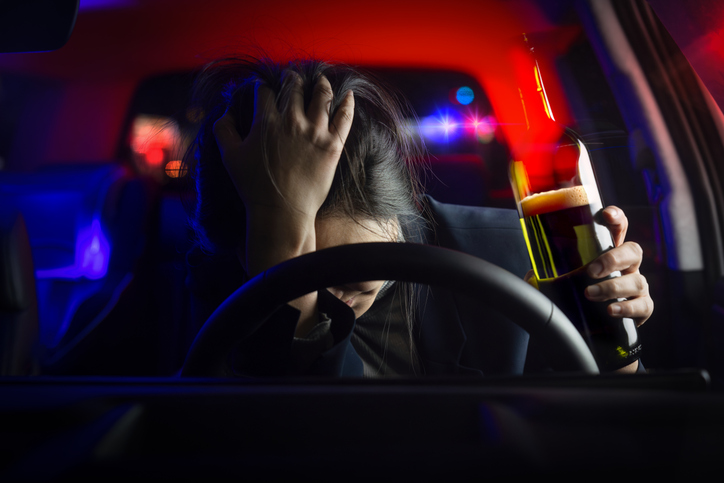
In Chicago, DUI arrests happen during every season—but the way your driving is interpreted can be influenced by what the roads looked like at the time. Ice, snow, rain, and fog are common in Illinois, especially in winter, and can affect your ability to control a vehicle even when you’re sober. If you’re pulled over for swerving, braking late, or sliding through a stop sign during a storm, police may assume you’re impaired—when in reality, you’re struggling with weather conditions.
Under 625 ILCS 5/11-501, it is illegal in Illinois to drive while under the influence of alcohol, drugs, or any intoxicating compound that impairs your ability to operate a vehicle safely. But impairment has to be proven, and poor weather can sometimes explain driving behavior that looks suspicious to law enforcement.
I’ve seen DUI arrests from the Loop to Logan Square, and from South Shore to Lincolnwood, where weather played a major role in both the stop and the defense. In Illinois, all criminal offenses are either misdemeanors or felonies. A first-time DUI is usually a Class A misdemeanor, punishable by up to 364 days in jail and a $2,500 fine. However, aggravating factors—such as injuries, children in the car, or prior convictions—can turn the case into a felony with mandatory prison time.
Whether your case is a misdemeanor or felony, the impact of a conviction is serious. You’ll face license suspension, high fines, increased insurance rates, and a permanent criminal record. You may also face consequences in employment, immigration, or professional licensing.
If you’re facing DUI charges and the arrest happened during severe weather conditions, that could be an important part of your defense. But it won’t help you automatically. It takes a Chicago DUI lawyer who knows how to present those facts in a compelling way, supported by evidence and legal argument.
How DUI Cases Begin and the Role of Police Misinterpretation in Bad Weather
Every criminal DUI case in Illinois begins with a traffic stop or a checkpoint. Officers will usually claim they observed erratic driving behavior—drifting out of lanes, slow response time at intersections, or failure to stop at traffic signals. In poor weather, all of these signs could be caused by road conditions rather than alcohol or drugs.
After the stop, the officer approaches your vehicle and looks for “signs of impairment.” These include slurred speech, glassy eyes, the smell of alcohol, or slow movements. In winter, someone shivering in the cold or fumbling with gloves can appear intoxicated. When you’re tired, wet, and disoriented after a stressful drive through snow, you may respond in a way that police misread.
If the officer decides to proceed, you’ll likely be asked to step out of the car and take field sobriety tests—like walking in a straight line or standing on one leg. These tests are notoriously unreliable even in perfect conditions. Trying to perform them on icy pavement, with heavy wind, or during a freezing downpour can result in poor performance regardless of your sobriety.
The officer may then request a breath test. Under Illinois law, refusing a breath test results in an automatic statutory summary suspension of your license—even if you are later found not guilty. If you agree and blow above 0.08, you’ll be arrested for DUI.
The weather won’t stop the officer from charging you. But a skilled Chicago criminal defense lawyer can use weather as a central point of your defense—by questioning the officer’s interpretation of your driving, your field sobriety test results, and even your appearance.
Example Case: A Snowstorm, a Slippery Turn, and a DUI Arrest in West Ridge
Let’s consider a fictional example based on real court patterns in Cook County. A man is driving near Devon Avenue in West Ridge during a heavy snowstorm. The roads are unplowed and visibility is limited. He’s driving slowly, but his car slips through a stop sign and lightly taps the curb.
A nearby officer pulls him over, believing he’s impaired. The driver fumbles with his wallet, has red eyes from the cold, and admits to having a beer with dinner. He is asked to perform field sobriety tests outside on a snowy sidewalk in 15-degree weather. Unsurprisingly, he struggles with balance and coordination. He agrees to a breathalyzer, which returns a BAC of 0.07.
Despite being under the legal limit, he is arrested for DUI based on the officer’s observations and performance on the tests.
As his attorney, I begin by pulling weather data from the National Weather Service, snow reports from the city, and photographs of the street where the stop occurred. I gather bodycam footage and surveillance video from nearby businesses to show the road was icy and unplowed.
We file a motion arguing that the field sobriety tests were invalid under these conditions and that the stop was based on behavior consistent with the weather, not impairment. The prosecution ultimately agrees to dismiss the DUI in exchange for supervision on a minor traffic violation.
Cases like this highlight the importance of context. Weather isn’t an excuse—but it’s a powerful explanation when used correctly in your defense.
Illinois Statutes, Trial Process, and How Evidence Is Challenged in Weather-Related DUIs
All DUI charges in Illinois fall under 625 ILCS 5/11-501, which defines the offense and outlines penalties based on prior convictions and aggravating factors. A first offense is usually a Class A misdemeanor, but certain circumstances make it a felony, such as a third DUI, a DUI with a child passenger, or one causing injury or death.
The criminal case process begins with the arrest, booking, and bond hearing. The first court appearance is the arraignment, where charges are read. From there, the case proceeds through pretrial hearings, motions, and discovery, where both sides exchange evidence.
As a defense attorney, my role is to collect all relevant evidence:
- Dashcam and bodycam footage
- Field sobriety test records
- Breathalyzer calibration logs
- Weather reports and street condition photos
- Witness statements
- 911 dispatch logs
- Police report inconsistencies
Weather can affect every stage of this evidence. If tests were done on a sloped, wet, or icy surface, we argue the results are unreliable. If the officer didn’t document the weather, we show the oversight weakens their credibility. If visibility was poor, we question whether the driving really warranted a stop in the first place.
During trial, the prosecution must prove beyond a reasonable doubt that you were driving while impaired. The defense is allowed to present alternative explanations—like weather conditions—that create doubt about whether your driving was caused by alcohol or by the environment.
Even before trial, pretrial motions can result in suppression of evidence or full dismissal if your constitutional rights were violated. Every stage of this process is critical, and having a DUI defense lawyer in Chicago to guide you through it increases your chances of success.
Common Legal Defenses, Questions to Ask, and Qualities of a Strong Defense Attorney
Legal defenses in DUI cases involving bad weather often include:
- Improper administration of field sobriety tests in unsafe conditions
- Unjustified traffic stop based on weather-related driving issues
- Medical conditions mistaken for intoxication
- Inadmissible statements made without Miranda warnings
- Inaccurate breath test results or uncalibrated devices
A qualified Chicago DUI attorney should be able to identify these defenses early in the case.
When searching for a criminal defense lawyer in Illinois, ask:
- Have you defended DUI cases involving bad weather?
- How often do you challenge field sobriety test reliability?
- Do you personally handle my case in court?
- How do you approach pretrial motions and evidence suppression?
- What are the odds of a reduction or dismissal in my case?
You want an attorney who has experience with local prosecutors and judges and who is willing to take the time to investigate the facts beyond the police report.
Look for qualities like:
- Strong communication skills
- Local courtroom knowledge
- Experience with constitutional motions
- A clear plan for defense strategy
- Availability to answer your questions
Choosing the right lawyer early in the process can be the most important decision you make after a DUI arrest.
FAQs – Weather, DUI, and Criminal Defense in Chicago, Illinois
Can I be arrested for DUI even if the weather was the main reason for bad driving?
Yes. Police can still arrest you if they believe you were impaired. But weather can be used to challenge the officer’s observations and explain driving behaviors like swerving, slow speeds, or sudden stops.
Does the court take weather into account when deciding DUI cases?
Judges and juries can consider weather as part of your defense. However, it must be documented and presented effectively. Your Chicago DUI lawyer can introduce weather reports, road conditions, and photos to support your case.
Are field sobriety tests valid in snow or rain?
Field sobriety tests are less reliable in poor weather or on uneven, wet, or icy surfaces. A defense attorney can challenge the validity of these tests if they were administered in unsafe conditions.
Can I refuse to take field sobriety tests in Illinois?
Yes. Field sobriety tests are voluntary in Illinois. Refusing them may be used against you in court, but it prevents police from collecting subjective performance evidence.
What happens to my license if I’m arrested for DUI in bad weather?
Even if the DUI is weather-related, your license can still be suspended if you fail or refuse chemical testing. You only have 30 days to request a hearing to fight the suspension. Your lawyer should handle this immediately.
Can a DUI charge be dismissed because of snow or ice?
It’s possible if the defense can show that your driving was caused by road conditions and not alcohol. Dismissals may also occur if the stop was unlawful or the evidence is weak.
What should I do after a DUI arrest in poor weather?
Document the conditions. Take photos of the street, your car, and any obstacles. Save weather reports. Then contact a Chicago criminal defense lawyer as soon as possible to begin your defense.
Will weather help me avoid jail for a first DUI?
It may support a more favorable resolution—like supervision or a reduced charge—but it won’t automatically eliminate jail risk. Your attorney will negotiate based on all facts, including weather.
Does the officer have to note weather in the police report?
They should, but many don’t. If weather is not mentioned, and your attorney can prove it was a factor, it may weaken the prosecution’s case and help you win in court.
What courthouse handles DUI charges in Chicago?
Most DUI cases are heard at the Leighton Criminal Courthouse at 26th and California, or other Cook County branch courts like Skokie, Maywood, Bridgeview, or Rolling Meadows.
Why You Need an Attorney and Why You Should Call The Law Offices of David L. Freidberg
DUI charges in Chicago—whether filed as misdemeanors or felonies—carry serious consequences that won’t go away on their own. Weather might explain your driving, but it won’t stop prosecutors from pursuing the case. You need a Chicago DUI attorney who can present evidence, challenge police assumptions, and fight to protect your future.
If you were arrested in Chicago, protect your future by contacting The Law Offices of David L. Freidberg. We have decades of experience handling DUI cases in Illinois. Our firm is available 24/7 to provide the legal defense you deserve.
Contact us today at (312) 560-7100 or toll-free at (800) 803-1442 for a free consultation. We’re available 24/7 to serve clients throughout Illinois, Cook County, DuPage County, Will County, and Lake County.
Don’t gamble with your license, your freedom, or your record.