

I Don’t Know What I Would
Have Done Without Him...
Can I Challenge the Suspension Even If I Failed the Breath Test?
DUI Arrests and Breath Test Suspensions in Chicago, Illinois
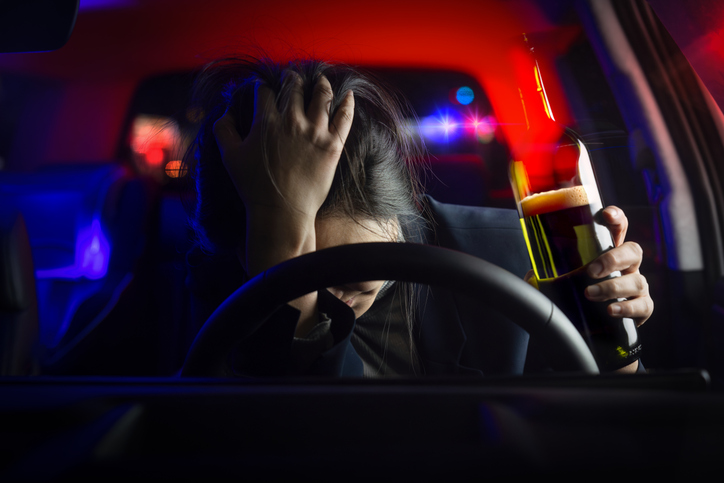
Every day in Chicago, people from all walks of life get arrested for DUI. From the Loop to Logan Square, police pull over drivers they suspect of being impaired and ask them to submit to field sobriety tests or a breathalyzer. If the driver fails the test, they are arrested and issued paperwork notifying them that their driver’s license will be suspended under Illinois’ statutory summary suspension law. But many drivers wonder—can I challenge the suspension even if I failed the breath test?
The answer is yes.
Under Illinois law, failing a breath test during a DUI arrest does not mean your license suspension is automatic and irreversible. You have a limited time to challenge the suspension in court, and with the help of a seasoned Chicago DUI lawyer, you may be able to stop the suspension from going into effect or even get the charge reduced or dismissed entirely.
In Illinois, all crimes are categorized as either misdemeanors or felonies. A first-time DUI without aggravating factors is a Class A misdemeanor punishable by up to 364 days in jail, fines of up to $2,500, and mandatory counseling. However, a DUI can easily be charged as a felony if certain conditions exist, such as repeat offenses, injury to another person, driving with a revoked license, or transporting a child passenger. These are classified as Aggravated DUI charges and are prosecuted as felony offenses with penalties ranging from 1 year to 15 years in prison under 625 ILCS 5/11-501(d).
Chicago police and Illinois State Troopers who make DUI arrests often assume that once someone blows over the legal limit, the case is open and shut. But under Illinois law, the breath test is only one part of the prosecution’s case. And the suspension of your license can be contested in a hearing—even if your breath test result was over 0.08.
Understanding your rights in this situation is the first step. Taking action within the legal timeframes is the second. I help clients in Cook County and surrounding counties fight back against these suspensions every day—and we win more often than you might think.
How DUI Arrests Lead to Automatic Driver’s License Suspensions
In Chicago, most DUI arrests begin with a traffic stop for something unrelated to drinking—speeding, swerving, expired tags, or a broken tail light. The officer claims to smell alcohol or notices slurred speech. This leads to a roadside investigation, including field sobriety tests, questioning, and eventually a breath test.
If you submit to the breath test and your BAC is 0.08 or higher, the officer will issue you a Notice of Statutory Summary Suspension. This is an administrative license suspension that takes effect 46 days from the date of the arrest, even before your criminal case is decided.
Under 625 ILCS 5/11-501.1, Illinois law considers driving a privilege. As part of that privilege, you are deemed to have given implied consent to submit to chemical testing if you are lawfully arrested for DUI. Refusing the test results in a longer suspension, but even a failed test triggers a suspension unless you take steps to contest it.
Here’s the part most people miss: You have the right to challenge this suspension by filing a Petition to Rescind the Statutory Summary Suspension in the circuit court. You only have 90 days from the date of the arrest to file the petition—and the earlier, the better. If the court finds that your rights were violated or that the arrest was invalid, the suspension can be thrown out entirely.
A failed breath test does not mean the state automatically wins. If the officer lacked probable cause, if the test was not administered properly, if the equipment wasn’t certified or maintained correctly, or if you were misinformed about your rights, these issues can be grounds to rescind the suspension.
Fictional DUI Arrest in Uptown: A Legal Strategy That Led to Reinstatement
Let’s consider a realistic fictional case. A man is driving home after dinner in the Uptown neighborhood of Chicago. He’s pulled over for failing to signal a lane change. The officer claims he smells alcohol and asks the driver to step out. Field sobriety tests are performed, and the man is arrested. At the station, he blows 0.10 on a breath test. He is charged with DUI, and the officer issues a Notice of Statutory Summary Suspension.
It looks like an open-and-shut case. But the man contacts a Chicago DUI attorney right away. I file a Petition to Rescind the Suspension and subpoena the arresting officer and all breathalyzer maintenance records. At the hearing, I discover that the officer failed to properly advise my client of the warnings to motorist—required under Illinois law before chemical testing. That’s a procedural violation.
I also obtain breath test calibration logs, which show that the machine had not been properly certified in over 62 days—violating the guidelines under Illinois Administrative Code, Title 20, Part 1286.200. We argue both points before the judge. The court grants the petition, and the statutory suspension is rescinded. My client’s license is restored.
Even though he blew over the legal limit, the state’s suspension didn’t hold up because the process was flawed. That’s why DUI defense is never just about the number on a machine—it’s about the legality and reliability of every step the police take.
What Evidence Police Use in DUI Arrests and How It’s Challenged
Law enforcement in Chicago and across Illinois rely on several types of evidence to build a DUI case:
- Officer observations (e.g., red eyes, slurred speech)
- Field sobriety tests (walk-and-turn, one-leg stand, HGN)
- Preliminary breath test (PBT) at the scene
- Station-based breath test results
- Bodycam and dashcam footage
- Statements made by the driver
- Witness statements if a crash occurred
Each piece of evidence has weaknesses. Officer observations are subjective. Field sobriety tests can be affected by health conditions, uneven pavement, poor lighting, or bad weather. PBT results are not admissible in court. And breath test machines must be regularly calibrated and operated by certified personnel.
A Chicago criminal defense lawyer can challenge this evidence through pretrial motions, cross-examination, and independent expert analysis. In suppression hearings, we can argue that the stop was not based on reasonable suspicion or that the arrest lacked probable cause.
The evidence doesn’t convict you. The prosecutor has to prove impairment beyond a reasonable doubt. That’s a high bar. Your defense attorney’s job is to poke holes in the state’s case until that bar is no longer met.
What Happens in the Criminal DUI Case After the Arrest?
While the statutory suspension is a civil administrative matter, the criminal DUI charge proceeds in parallel through the Cook County criminal court system. After your release, you’ll be assigned a court date at a courthouse such as:
- 26th and California (Leighton Criminal Court Building)
- Skokie Courthouse
- Maywood
- Bridgeview
- Rolling Meadows
- Markham
Your first appearance is typically for arraignment, where you’ll enter a plea. After that, the case moves to discovery, where the state provides evidence, and your lawyer can begin crafting your defense. Pretrial motions are filed—such as motions to suppress evidence, exclude statements, or dismiss the case. Negotiations may lead to a plea offer, supervision, or a reduced charge.
If no deal is reached, the case proceeds to a bench trial or jury trial. If convicted, sentencing depends on the charge. For a misdemeanor DUI, penalties may include:
- Jail time up to 364 days
- Fines up to $2,500
- Alcohol treatment or DUI classes
- Suspension or revocation of driver’s license
- Installation of a BAIID (breath device)
Felony DUI penalties include years in prison, felony record status, and permanent license revocation. The consequences are long-lasting and may affect immigration status, job licensing, or firearm ownership.
Every stage—from arraignment to sentencing—is an opportunity to defend your rights. Your DUI lawyer in Chicagomust be with you at every hearing, guiding you through the process and pushing for the best possible outcome.
Legal Defenses and Why You Need the Right Attorney
No DUI case is hopeless. Even when breath test results are present, legal defenses exist:
- Illegal traffic stop without reasonable suspicion
- Lack of probable cause for arrest
- Improper warnings or Miranda violations
- Malfunctioning or uncertified breath equipment
- Unqualified operator of the breath machine
- Denial of right to consult an attorney
- Physical or medical conditions mimicking impairment
Each of these defenses requires investigation, legal research, and courtroom presentation. That’s why having an experienced Chicago DUI defense lawyer matters. Public defenders are often overburdened. Self-representation is risky and rarely ends well.
I recommend asking your potential attorney:
- Have you defended DUI breath test cases before?
- Will you personally appear at my suspension hearing?
- How will you challenge the breath test result?
- What experience do you have with Cook County judges and prosecutors?
- Can you get the suspension rescinded and charges reduced?
- How often do you take DUI cases to trial?
Choosing a lawyer isn’t just about experience. It’s about courtroom presence, cross-examination skills, and deep familiarity with Illinois DUI law. Ask these questions at your free consultation—and make sure your attorney will fight as hard as the law allows.
Chicago DUI FAQs
Can I still fight my DUI case even if I blew over 0.08?
Yes. The breath test result is only one part of the prosecution’s case. Your Chicago DUI lawyer can challenge the traffic stop, the reliability of the test, the officer’s training, and more. A reading above the legal limit doesn’t mean automatic guilt.
What is a statutory summary suspension in Illinois?
This is an automatic suspension of your driver’s license triggered by a DUI arrest. It takes effect 46 days after the arrest if you blew over 0.08 or refused testing. You can challenge it by filing a Petition to Rescind in court.
Can I get supervision if I failed the breath test?
If this is your first DUI and you meet eligibility, you may still qualify for court supervision, which prevents a conviction from appearing on your record. A DUI attorney in Chicago can negotiate for this outcome and guide you through compliance.
Do I have to install a breath device in my car?
If your license is suspended and you wish to keep driving, you may be required to apply for a Monitoring Device Driving Permit (MDDP), which includes a BAIID device. Your lawyer can help you understand your eligibility.
How long do I have to challenge the breath test suspension?
You must file a Petition to Rescind the Summary Suspension within 90 days of arrest, but ideally as early as possible. Your hearing will typically be held within 30 days of filing. Your attorney must act quickly to preserve your rights.
Will my license be suspended if I lose the hearing?
Yes. If the judge denies your petition, the suspension takes effect for 6 months (first offense with BAC over .08) or 12 months (refusal). However, you may be eligible for a driving permit with a BAIID device.
What happens if I miss my DUI court date in Chicago?
A bench warrant will likely be issued for your arrest. This can result in immediate jail time and harm your chances of a favorable outcome. Contact your lawyer immediately if you missed court.
Is it worth hiring a lawyer for a DUI in Chicago?
Absolutely. A DUI conviction lasts forever and affects your license, job, insurance, and freedom. A Chicago DUI lawyercan challenge the evidence, protect your record, and improve your chances of dismissal, reduction, or supervision.
Why You Need The Law Offices of David L. Freidberg
If you were arrested for DUI in Chicago and failed a breath test, don’t assume you have no defense. The clock is ticking on your right to challenge the license suspension. Every minute counts.
I’ve defended clients in DUI cases across Cook County, DuPage County, Will County, and Lake County for decades. I know the law, the courtrooms, and the judges who handle these cases. When you hire my firm, I take immediate action to file your hearing request, challenge the stop, suppress flawed evidence, and build your defense the right way.
You’re not just another file. You’re someone whose record and future deserve a real defense.
Call The Law Offices of David L. Freidberg Today
Don’t let your license get suspended because no one acted fast enough. At The Law Offices of David L. Freidberg, I treat license suspension as seriously as the criminal charge. I file your hearing requests immediately, examine every piece of evidence, and fight for dismissal, reduction, or supervision every step of the way.
I represent clients in Chicago, Cook County, DuPage County, Will County, and Lake County, and I answer calls 24/7. Whether you’re facing your first DUI or you’re trying to preserve your driving privileges after a second offense, I can help.
If you were arrested in Chicago, protect your future by contacting The Law Offices of David L. Freidberg. We have decades of experience handling DUI cases in Illinois. Our firm is available 24/7 to provide the legal defense you deserve.
Contact us today at (312) 560-7100 or toll-free at (800) 803-1442 for a free consultation. We’re available 24/7 to serve clients throughout Illinois, Cook County, DuPage County, Will County, and Lake County.